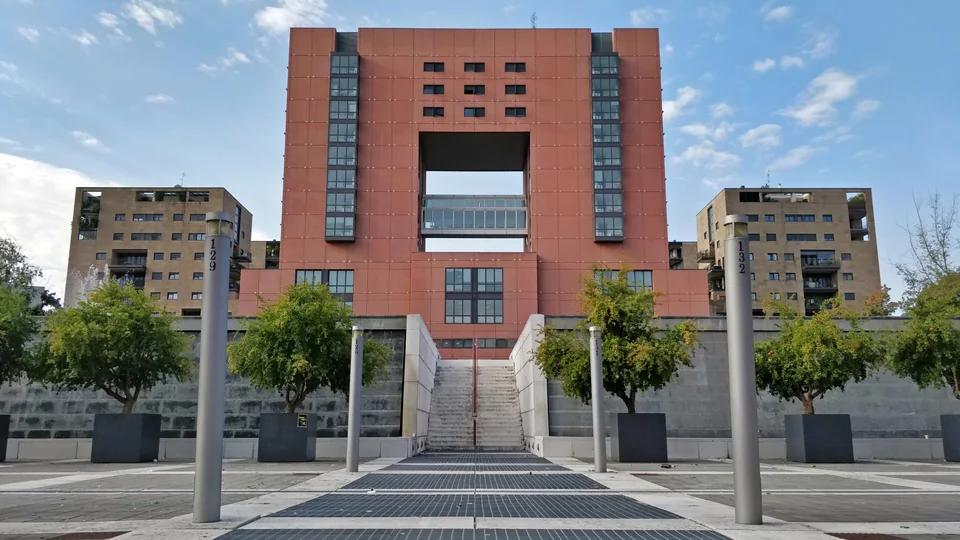
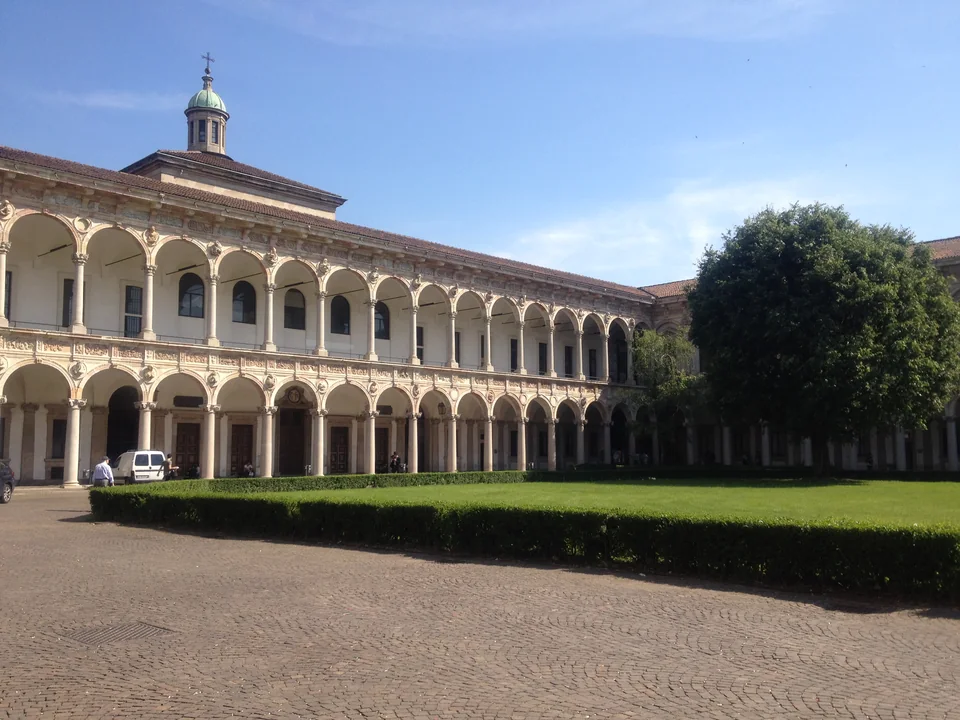
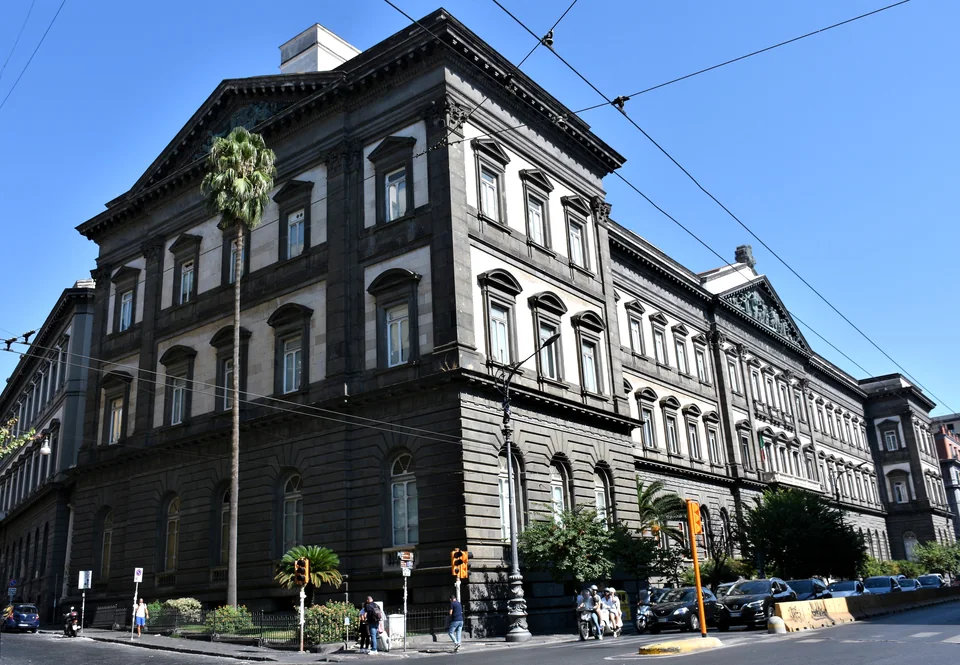
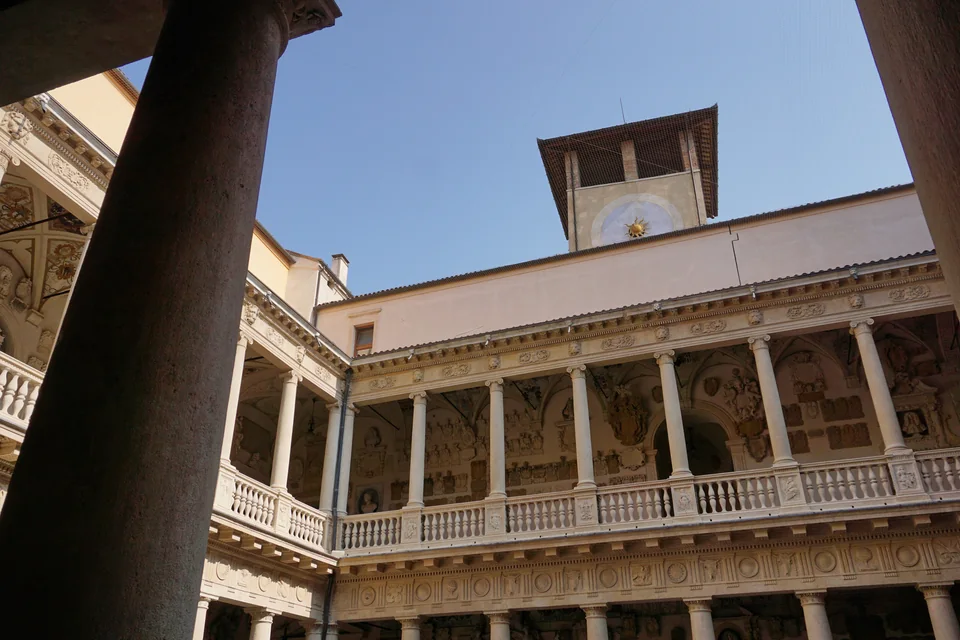
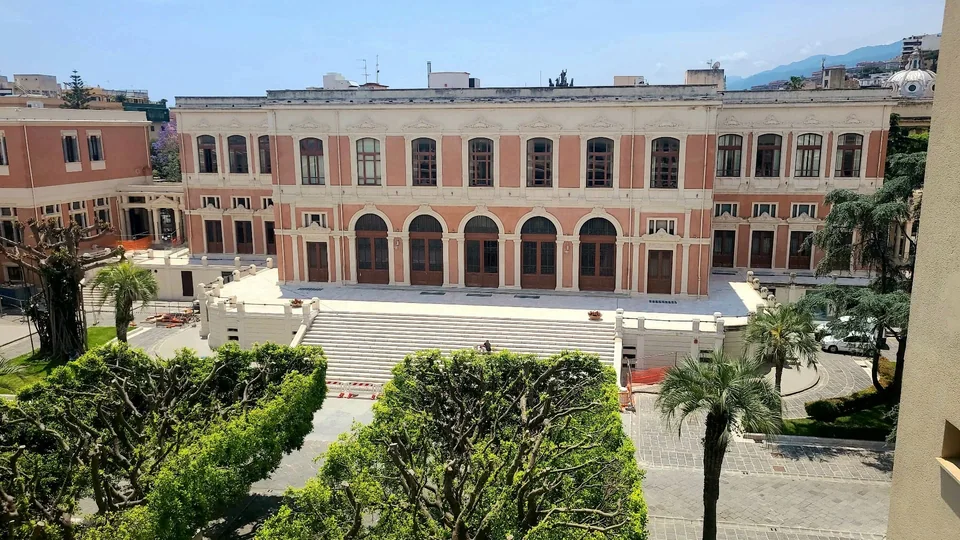
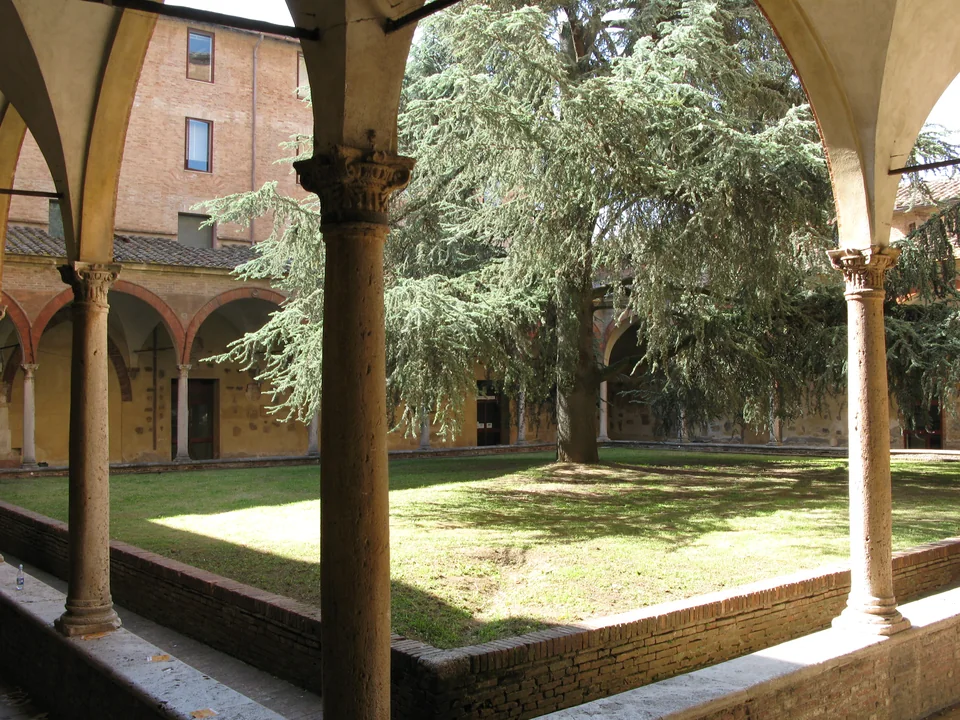
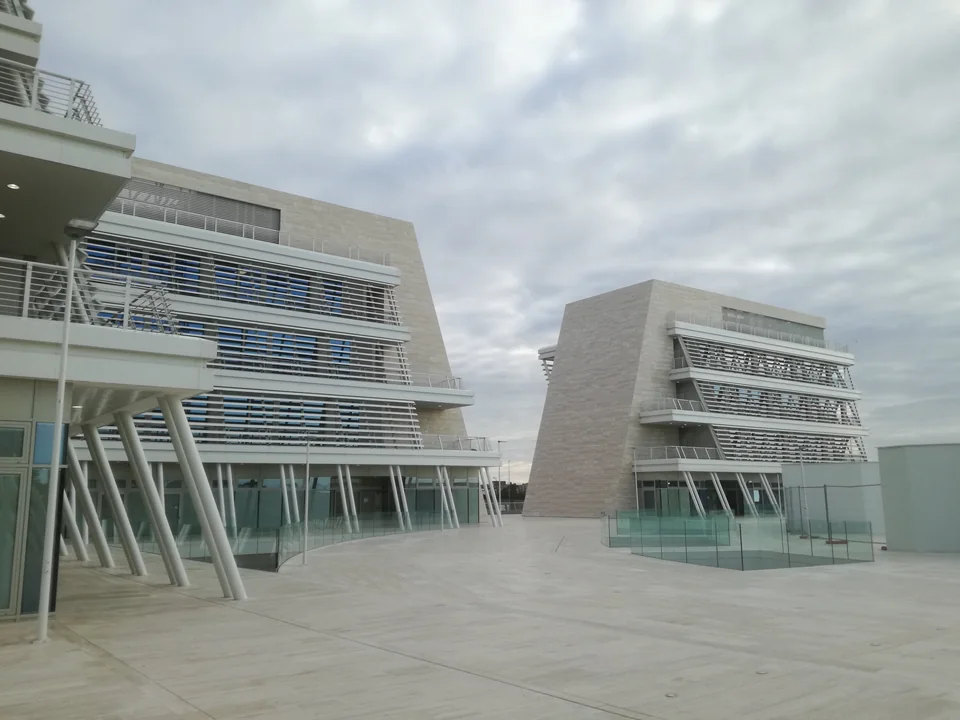
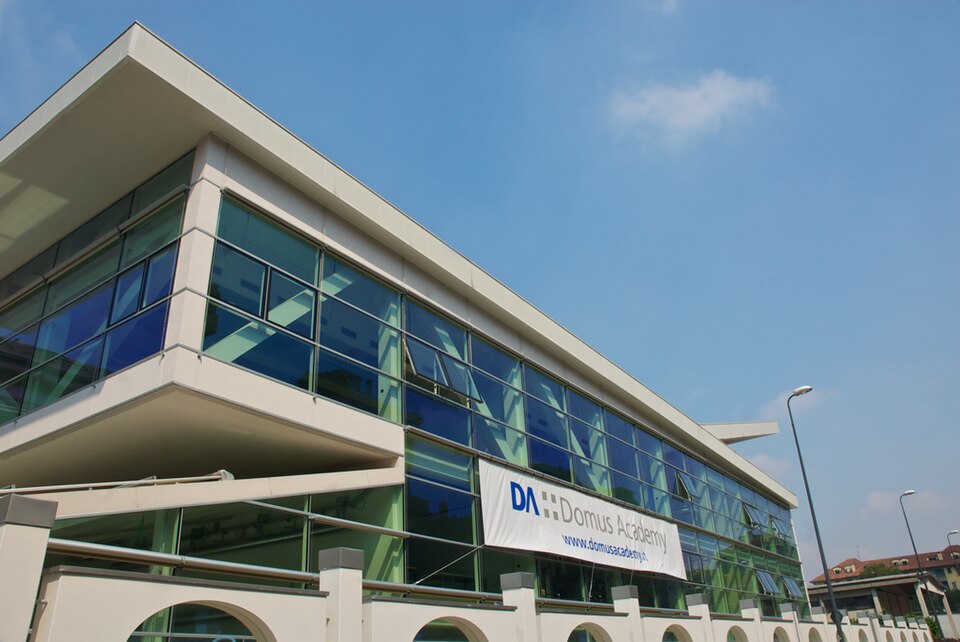
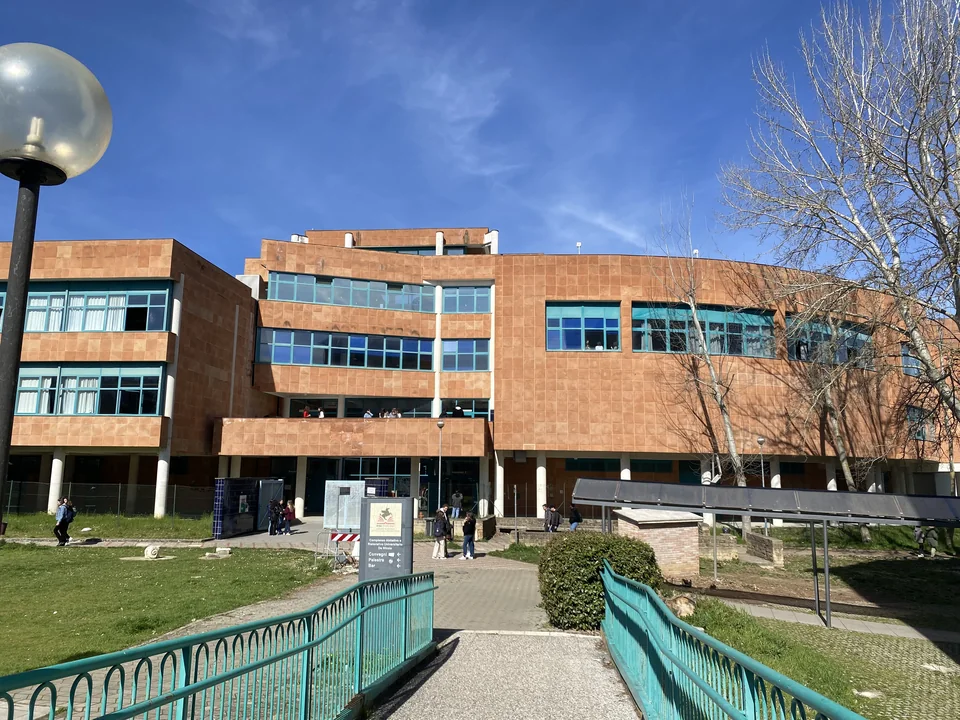
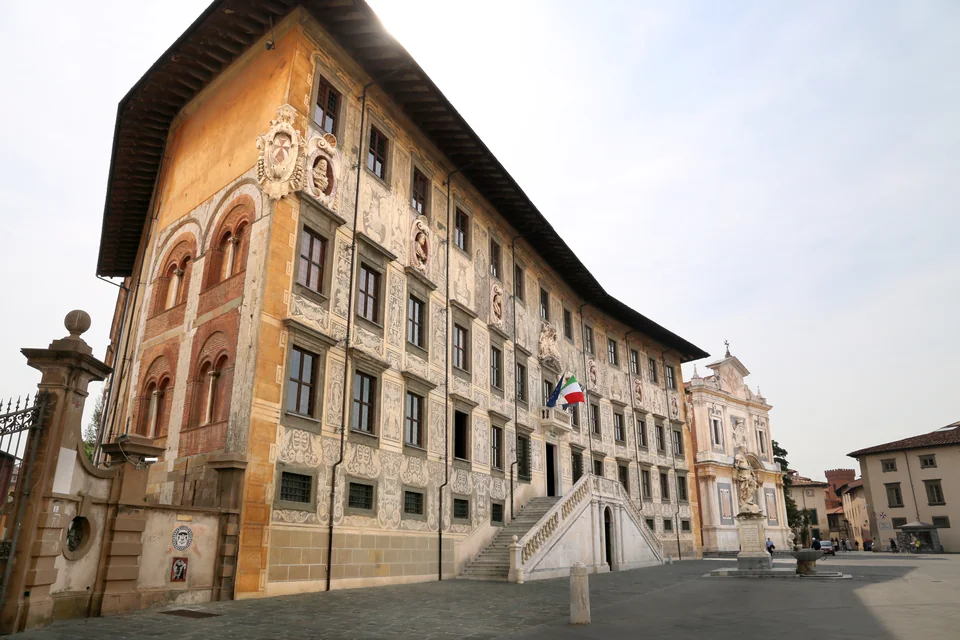
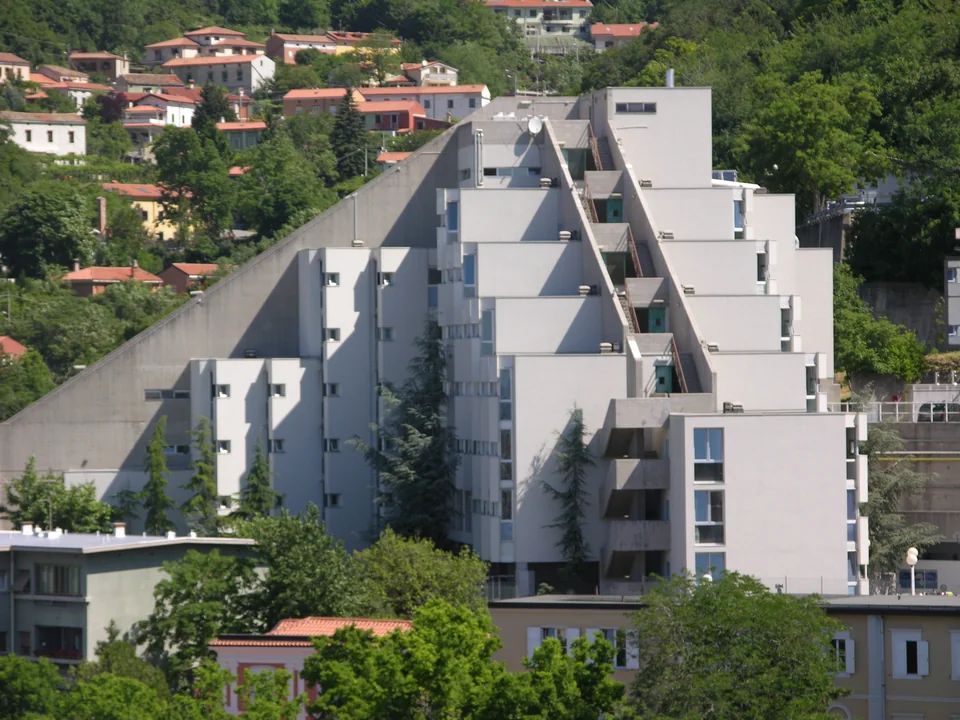
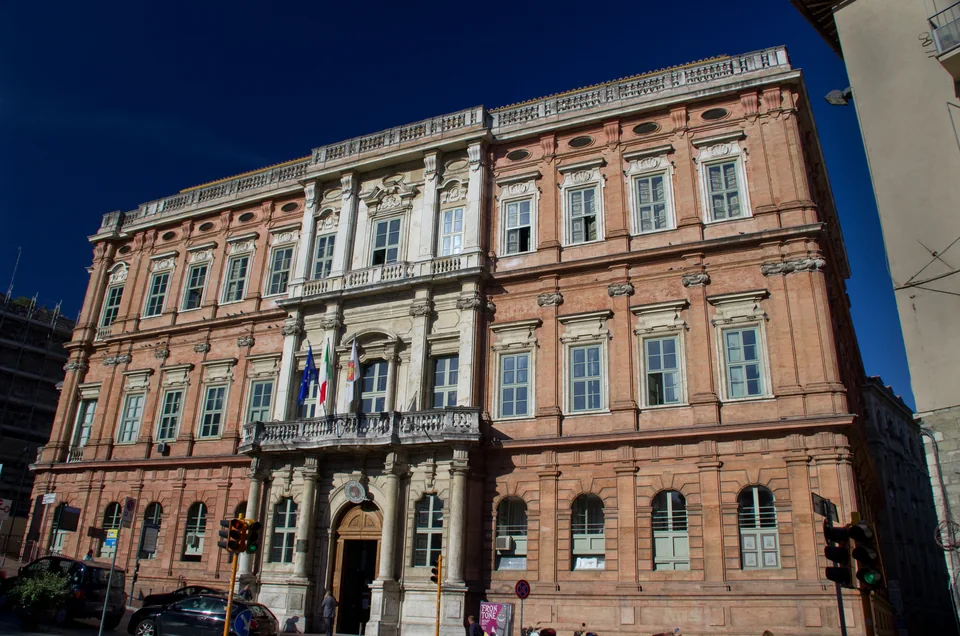
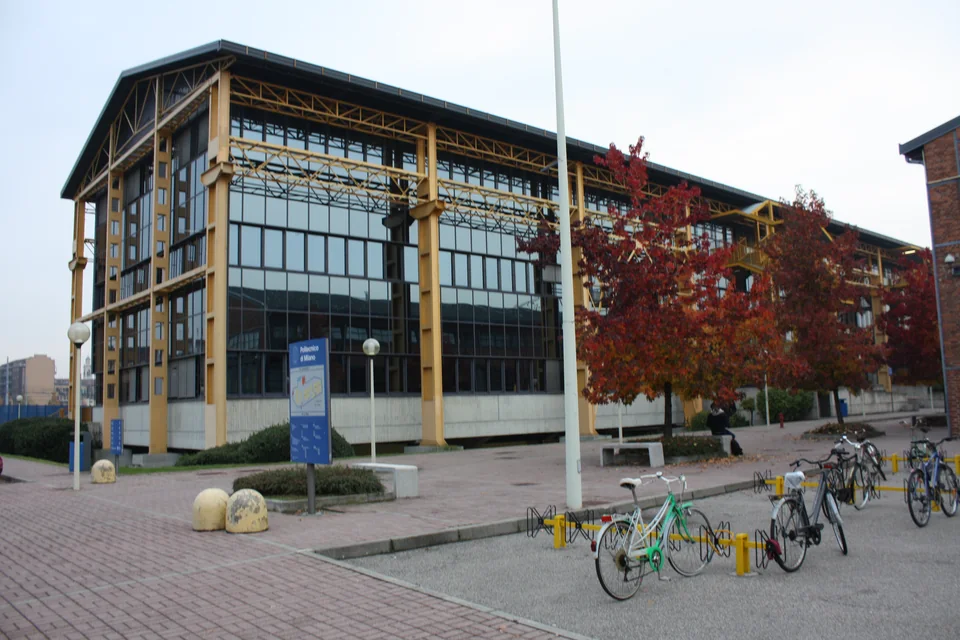
Italian public universities charge about $1,000–4,600 a year, according to the European Commission guide, and several of them, such as Politecnico di Milano, appear in the top 100 of world rankings for specific subjects.
Italy's education system follows the Bologna model and has three levels. A bachelor's (Laurea) usually lasts 3 years and a master's (Laurea Magistrale) 2 years. For some fields — such as medicine, dentistry, architecture or law — there are single-cycle programs lasting 5–6 years that combine both levels.
For international students, one of Italy's main advantages is the wide choice of English-taught programs. Even at the bachelor's level there are fields designed specifically to prepare specialists for an international career. Such programs in business, fashion, design, communications and the social sciences are growing rapidly in Milan, Rome and other cities, where private universities bet on a global outlook and close ties to companies worldwide.
An 11-year school qualification may require additional accepted study. Italian procedures allow several ways to address missing schooling, including completed higher-education study or an accepted foundation course. Confirm the route with the receiving university before paying for preparation.
Italian bureaucracy.
Admission to Italian universities is fairly complex. The requirements and procedures can be hard to follow in English. It's best to turn to specialists for document preparation. The StudyU agency supports applicants in gathering and submitting documents. Book a 15-minute consultation to learn more.
• Difficulty finding housing.
In Italy, especially in big cities, finding student housing is difficult. Almost all housing is rented through agencies and requires a deposit and security payment. The shortage of dormitories and the economic situation drive rents up. With relatively affordable tuition, accommodation costs can dominate the budget.
Italy: separate university fees from potential financial aid
Public and private institutions need different budgets. European Commission guides show the scale of costs; the selected institution determines the actual fee.
| Scenario | Approximate USD |
|---|
| Public universities: annual guide | $1,000–$4,600 |
| Private institutions: annual guide, some programmes cost more | $6,900–$23,100 |
| Living: 12 months using the general guide | $9,700–$15,200 |
Living costs include housing; the city and tenancy materially affect the amount. Milan and other expensive cities need a specific calculation.
Public programme plus a year of living using these guides: approximately $10,700–$19,800. Add expenses outside these categories.
Fees can depend on the programme and family-income documentation. Design, fashion, foundation courses and private master’s programmes have their own terms.
Regional aid such as ER.GO follows a public call with financial and academic criteria. The amount and benefits depend on student status and the applicable call; do not subtract funding before an award decision.
If your budget is limited
Compare public programmes and cities with manageable rents. Include a scholarship or reduction in available funds after an official award decision.
What to prepare next
Prepare your qualification, language, subject and budget. If seeking reduced fees, check the institution’s required supporting documents.
Rounded amounts are shown in US dollars for comparison, using ECB reference rates from 2026. The programme and its provider’s terms determine the final fee. Count housing and other categories once. Check what the university calculation includes; add only missing expenses and StudyU fees separately. A deposit can require funds before studies start. Do not add proof of funds again to expenses those same funds cover.
Other costs and accommodation
The European Commission living guide is approximately $9,700–$15,200 for 12 months, including housing. Actual rent and availability depend on the city and contract; obtain a current housing quote before committing to a programme.
Housing, food, transport and other daily expenses should be counted within your living budget once. For a visa, use the competent Italian consulate’s current financial-evidence checklist; an old nationwide dollar estimate is not a substitute for the applicable requirements.
Admission requirements
Admission requirements for Italy can differ from one university to another. It's also worth remembering that applying for a scholarship may come with additional conditions.
The basic document package includes:
- School diploma
- An English-proficiency test (IELTS, TOEFL) or Italian (CILS, CELI)
- CV
- Motivation letter
- Recommendation letters
- An entrance test or exam — for certain programs
- Interview
Master's:
- Bachelor's degree
- An English-language proficiency test
- CV
- Motivation letter
- Recommendation letters
- For some programs — the GRE or GMAT
Deadlines
Build a calendar for the selected programme: university admission, tests, scholarships, Universitaly pre-enrolment and visa processing have separate dates. Use the current university and consular instructions; a general seasonal guide is not an application deadline.
In addition, Italy has both open-access and restricted-access programs. Some faculties have limited admission quotas — it's important to submit documents on time to be among those admitted.