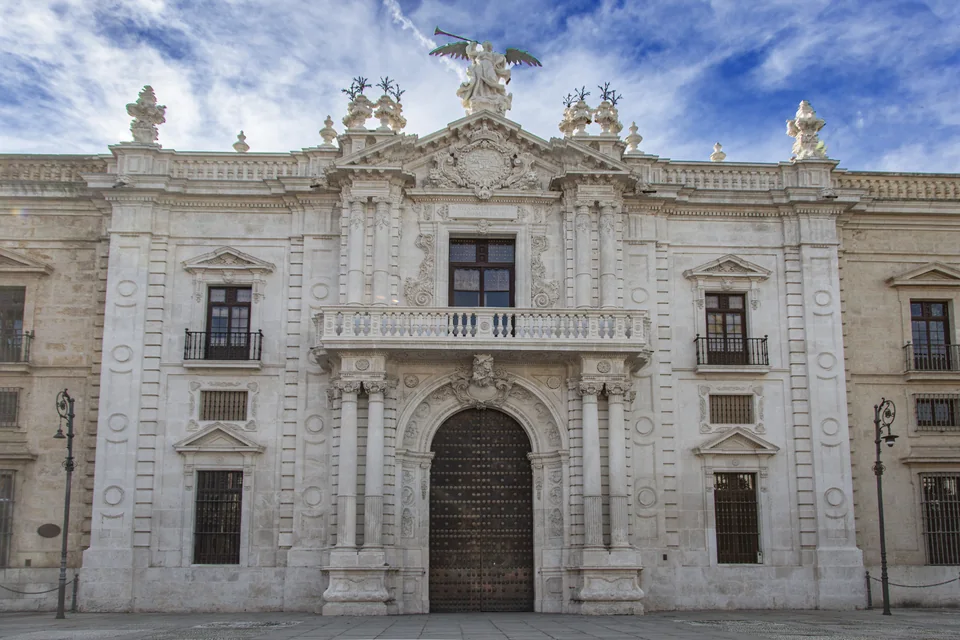
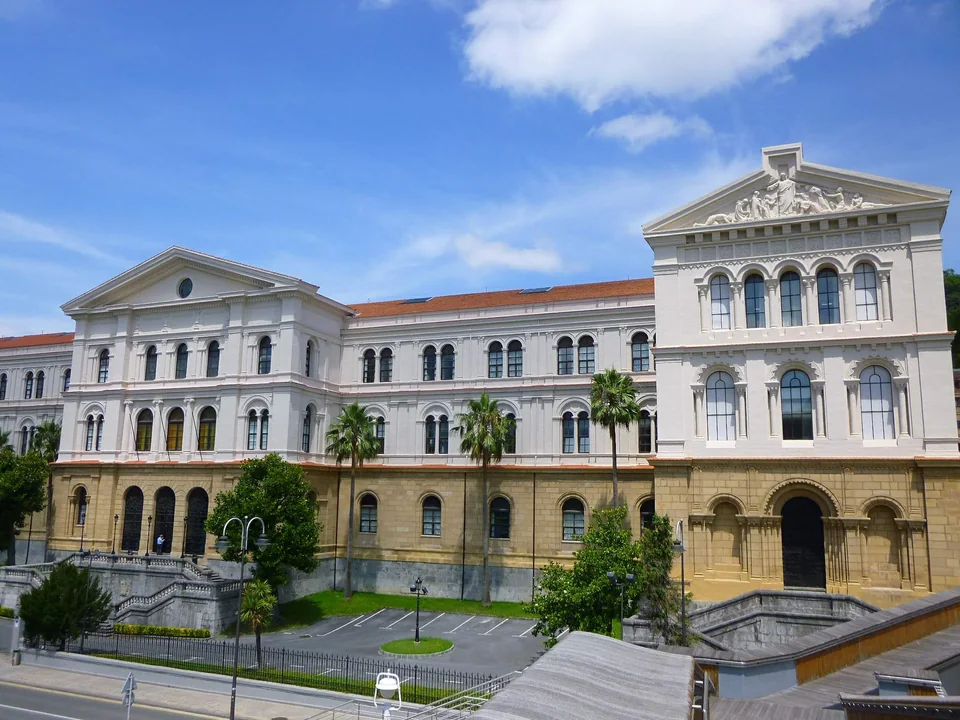
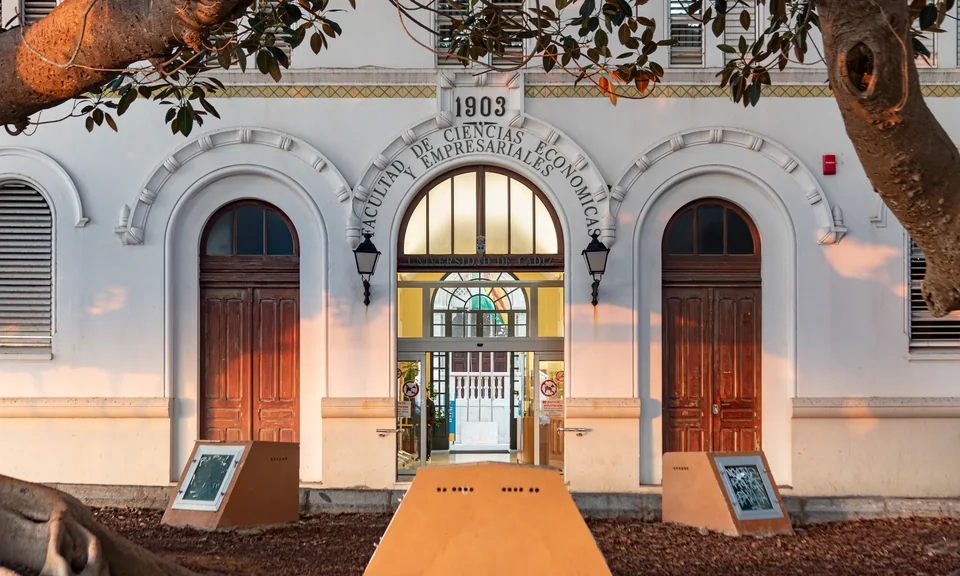
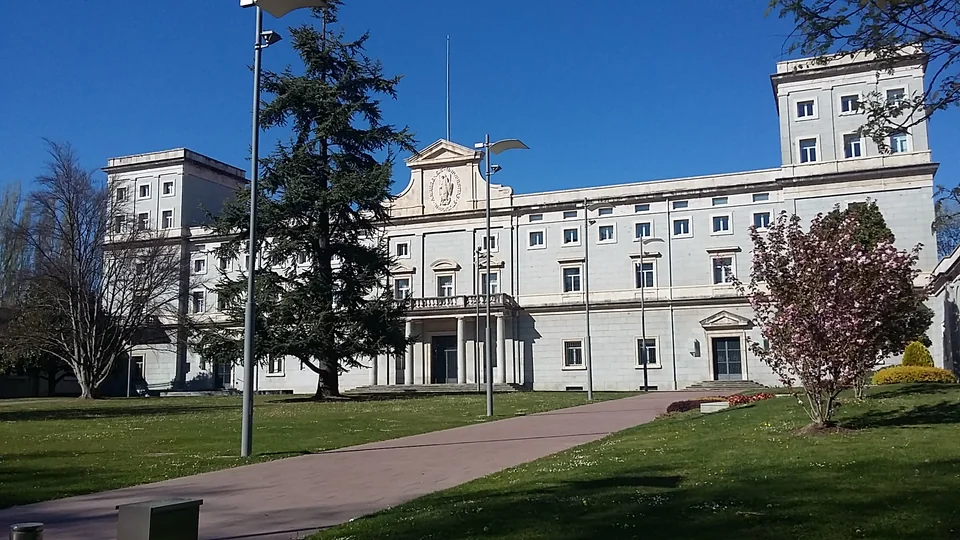
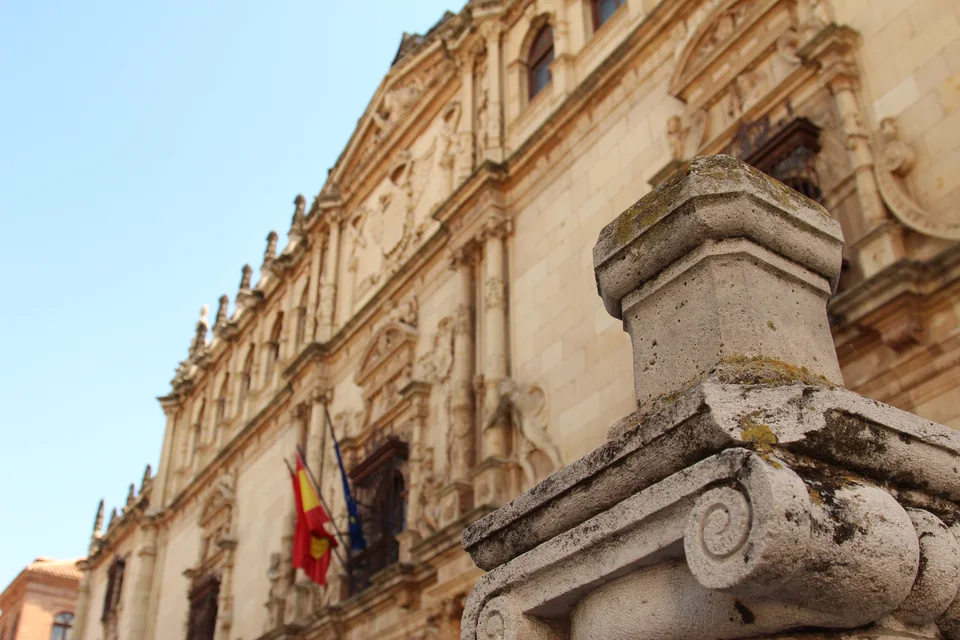
Spain attracts students with a mix of quality European education, a warm climate and relatively affordable living. Many international students come for business and hospitality programmes at private schools.
Education follows the Bologna system. Public universities teach mainly in Spanish, while private business schools offer many English-taught programs.
Advantages of studying in Spain
Private business schools: EU Business School’s Barcelona BBA costs about $17,000 for two semesters.
English-taught programs at private universities.
A warm Mediterranean climate.
Recognition depends on the destination country, qualification and intended use; professional licensing may require a separate process.
The chance to learn Spanish, one of the world’s most widely spoken languages.
Spain: compare the qualification as well as the price
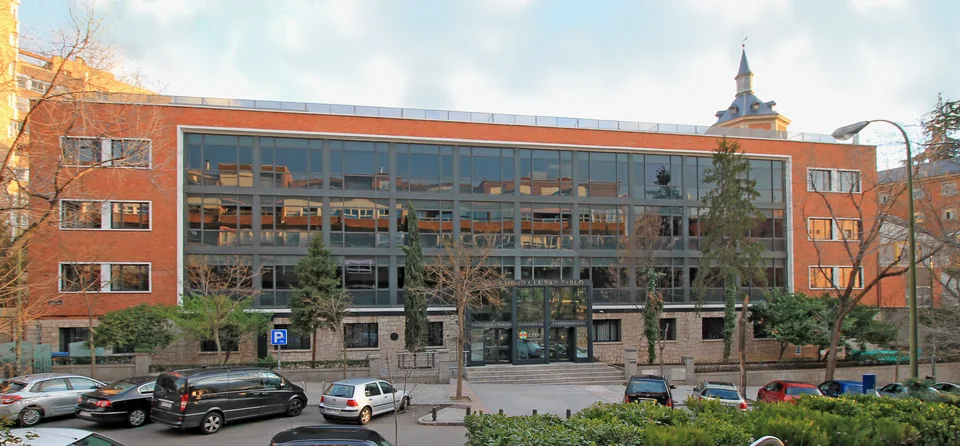
EU Business School (Barcelona) — Barcelona
A private business school and a public university use different fee structures. The EU Business School Barcelona example shows the semester price of a specific BBA; it is not a Spanish average.
Scenario
Approximate USD
EU Business School Barcelona BBA: two semesters at the published fee
$17,000
Barcelona or Madrid: 12-month living guide from the European Commission
$13,800–$16,600
The living guide includes housing. The BBA is described as seven semesters over three years: the two semesters in the table do not automatically cover the full qualification.
Two semesters of this BBA plus 12 months of living: approximately $30,800–$33,600. Add expenses outside these categories.
Check the exact qualification, awarding institution and suitability for your next step. Public fees can differ by region and non-EU status.
If your budget is limited
If you know Spanish, compare suitable public programmes and smaller cities. First check your applicable fee and recognition of previous qualifications.
What to prepare next
State your intended next step after graduation, language and subject. If you have chosen a school, prepare the exact programme and qualification names.
Rounded amounts are shown in US dollars for comparison, using ECB reference rates from 2026. The programme and its provider’s terms determine the final fee. Count housing and other categories once. Check what the university calculation includes; add only missing expenses and StudyU fees separately. A deposit can require funds before studies start. Do not add proof of funds again to expenses those same funds cover.
The admission path
Admission depends on the education system, qualification and selected university. Confirm whether homologación, UNEDasiss accreditation, subject tests or other evidence are required; accreditation and recognition are separate procedures. The university makes the admission decision.
We'll help with document recognition, language preparation and the application.
Step by step:
Pick your track. Confirm the selected programme’s academic-recognition and entrance-exam requirements with the university; do not assume that private status removes qualification checks. Check the fee applicable to your nationality and residence status.
Homologación. Confirm whether your qualification needs recognition as Spanish Bachillerato and what evidence the competent authority requests. Check how the university treats a pending result; do not assume a fixed processing time or automatic admission after recognition.
Subject tests. Ask the university which UNEDasiss services and subject tests it uses for your education system. Select subjects using its admission criteria and weighting tables; not every university uses the same accreditation route.
Language. Check the programme’s teaching language, accepted language evidence and required level. Spanish-taught and English-taught programmes set their own conditions; do not apply a single DELE threshold to every university.
Type D visa. After admission: proof of funds, insurance, housing.
Admission with an 11-year school certificate
An 11-year certificate needs individual assessment against the selected university’s requirements. Homologación, UNEDasiss accreditation, subject examinations and language requirements depend on the education system and programme. Recognition does not by itself guarantee a place or remove the need for preparation. Check both public and private universities directly. Compare routes in our study-abroad guide.
Master's degrees in Spain
For a master’s application, the university assesses the prior degree and programme eligibility; confirm whether formal recognition or another qualification check is required. Compare the selected programme’s fee and language requirements. Any right to work depends on the applicable residence authorisation.
What studying in Spain costs
Expense
Budget for
Public universities
Check region, degree and student status
Private universities
Example: EU Business School Barcelona BBA, about $17,000 for two semesters
Living
Madrid/Barcelona guide: $13,800–$16,600 for 12 months, including housing
Homologación and translations
budget separately; check the required procedure and processing terms
FAQ
Business education and hospitality at private schools; for example, EU Business School’s Barcelona BBA costs about $17,000 for two semesters.
For public universities, usually yes; private business schools offer many programs in English.
Public universities are more affordable; private business schools cost more. You see the tuition and extra costs before we send the application.
Recognition is not automatic throughout the EU. Check the destination country’s academic recognition procedure and, for regulated professions, the separate licensing requirements before choosing a programme.
Check your exact school qualification with the selected university. Depending on the education system and programme, homologación, UNEDasiss accreditation, subject tests or other preparation may be required. Recognition alone does not guarantee admission.
Homologación is the competent authority’s recognition of a foreign school qualification against the Spanish system. Whether it is required depends on your education system and admission route. UNEDasiss accreditation is a different service, and neither decision guarantees a university place.
For example, EU Business School Barcelona BBA costs about $17,000 for two semesters; the full programme has seven semesters. The European Commission living guide for Barcelona or Madrid is about $13,800–$16,600 for 12 months, including housing. Check public-university fees by region, programme and student status.
Check the programme’s teaching language and its accepted proof of proficiency. English-taught options exist, but the required language, score and possible exemptions depend on the programme. Confirm any language requirements for placements as well.
During the free initial consultation, we clarify your goal, profile, timing, and budget and identify the next realistic step. A personal strategy, requirement checks, selection of agreed options, document preparation, applications, and support are provided under an agreement with StudyU.
Discuss your study goal and academic profile
Clarify budget, timing and destination constraints
Identify a realistic next step and what to verify before applying
StudyU is an ICEF Accredited Trusted Agency (#7302). Our consultants are students and graduates of universities in the countries they help you apply to. About StudyU
For your first enquiry, a contact detail and your question are enough. Do not send passport details or document scans through this form. If documents are needed for your application, we will explain why and how to send them. How we process personal data