
University · France
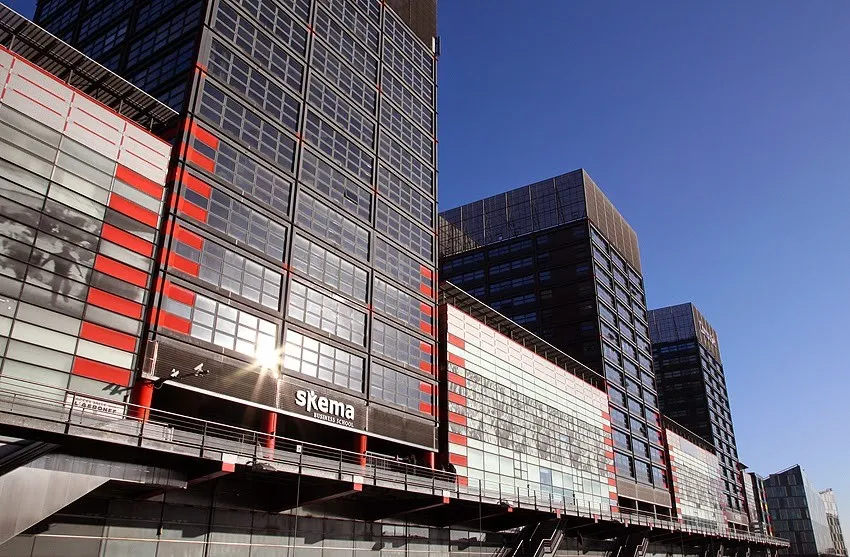
SKEMA Business School
- Fee example
- Global BBA · $15,897 (€14,000) a year, 2026/27
France is a global hub for business education, fashion, design and gastronomy. It is home to some of Europe's best business schools and legendary culinary and fashion schools, while public universities charge only moderate fees.
Education follows the Bologna system. Public universities teach mainly in French, while private schools (Grandes Écoles, business schools) offer many English-taught programs.
Start with the programme type and applicable fee. Private design or business-school costs do not describe a public bachelor’s degree, and a fee exemption needs a separate eligibility check.
| Scenario | Approximate USD |
|---|---|
| Public bachelor’s, differentiated fee for the relevant non-EU category, 2026/27 | $3,300 |
| Public master’s, same fee category, 2026/27 | $4,600 |
| Living for 12 months: European Commission general guide | $11,100–$16,600 |
The European Commission guide was published in 2025 and includes housing. For a 2026/27 budget, replace it with actual costs in the chosen city: Paris may cost more. Check the mandatory CVEC contribution and insurance for your status separately.
The standard fee plus this living guide gives about $14,400–$20,000 for a bachelor’s year or $15,600–$21,200 for a master’s year, before separate charges and relocation.
Private schools, culinary diplomas and preparation programmes have their own prices and durations. The relevant institution decides any fee exemption under the applicable rules.
Compare public programmes outside Paris if the language and academic requirements fit. The funding plan should work before a scholarship or exemption decision.
Prepare your French or English level, education details and intended programme. Include the city, start period and annual budget in the initial enquiry.
Rounded amounts are shown in US dollars for comparison, using ECB reference rates from 2026. The programme and its provider’s terms determine the final fee. Totals are calculated before individual rows are rounded. Count housing and other categories once. Check what the university calculation includes; add only missing expenses and StudyU fees separately. A deposit can require funds before studies start. Do not add proof of funds again to expenses those same funds cover.
| Institution | What to compare |
|---|---|
| SKEMA Business School | Lille, Sophia Antipolis and Paris: campus, language, subject and full programme duration. |
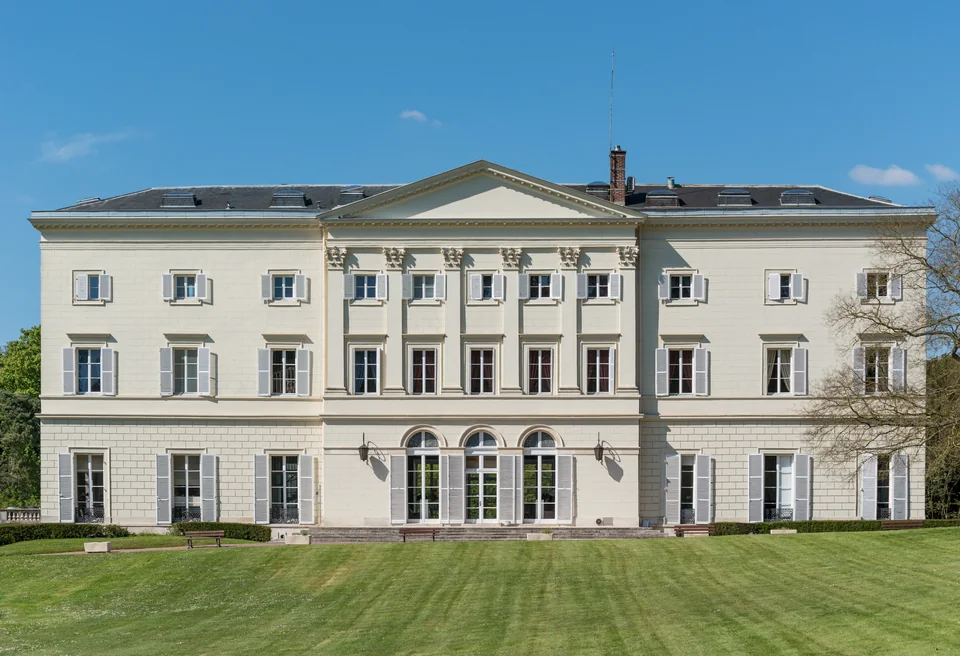
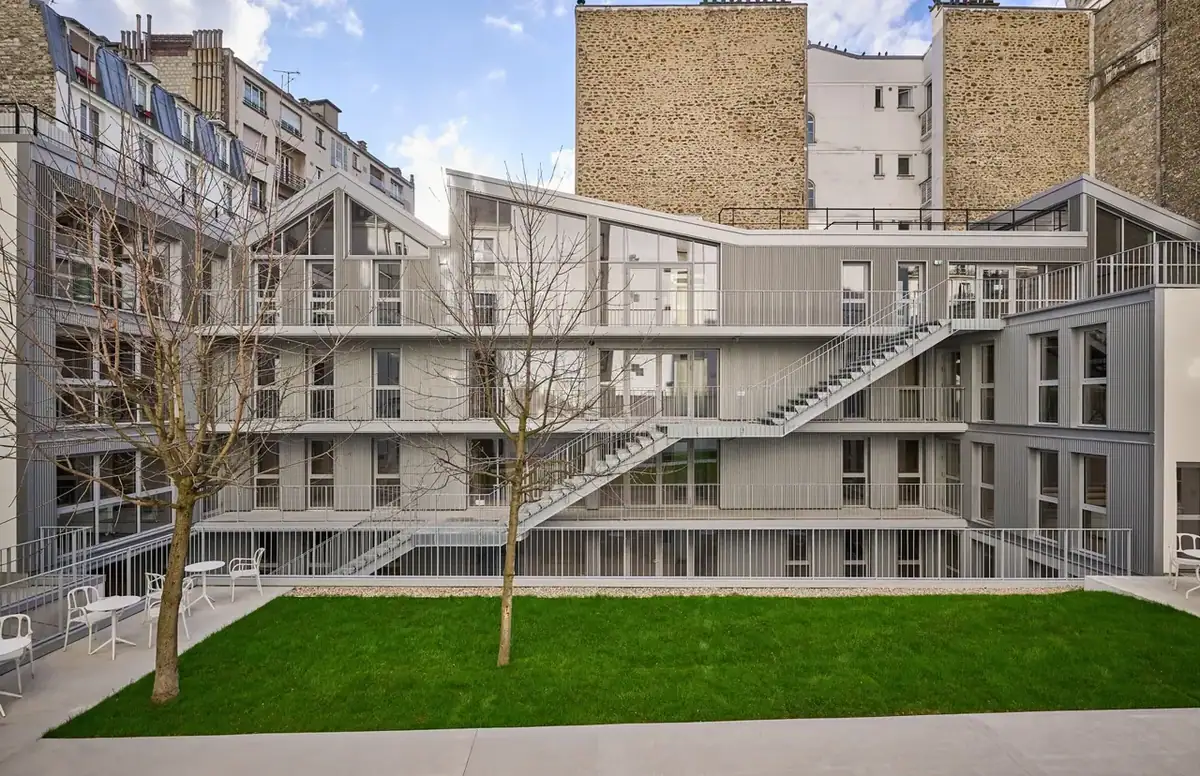
| Istituto Marangoni Paris | Paris: portfolio, language, qualification and mandatory programme charges. |
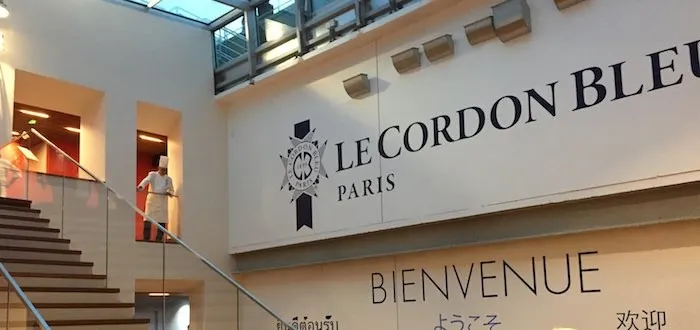
| Le Cordon Bleu Paris | Paris: exact diploma, course duration and included materials. |
Admission is based on your school diploma and proven language (French or English). For private schools, motivation and sometimes a portfolio matter.
StudyU helps compare universities, check scholarship requirements, and prepare application and visa documents; the university and consular authority make the decisions.
Step by step:
Entry after school depends on the certificate, programme and institution’s requirements. Nationality, country of residence and qualification determine the procedure: Études en France, DAP, Parcoursup or direct application may apply. An 11-year school certificate does not establish automatic eligibility; the institution decides admission.
Further reading: Campus France: application procedure · study-abroad guide
Master’s admission depends on the content and level of the previous degree and the programme’s language requirements. Compare academic master’s programmes with business, design or culinary qualifications. Funding is assessed separately and should not be assumed before an award.
Compare the same academic year, fee status and programme duration. Check the tenancy period, compulsory charges and pre-arrival payments. Financial evidence and the living expenses it covers are counted once.
Business education, fashion, design and gastronomy, mostly at private specialist schools such as SKEMA, Istituto Marangoni and Le Cordon Bleu Paris.
For public universities, usually yes; private business schools and international programs are in English.
For the relevant non-EU fee category, Campus France lists approximately $3,300 a year for Licence and $4,600 for Master in 2026/27. With the general living guide, the illustrations are about $14,400–$20,000 and $15,600–$21,200 respectively. Check private-school fees, exemptions and mandatory charges separately.
France participates in the European higher-education framework. Recognition depends on the qualification, destination and purpose; regulated professions may require separate assessment.
It depends on your certificate and the procedure that applies to you: 11 years of school do not by themselves make you eligible, and the institution decides admission.
Campus France provides information about studying in France. The Études en France procedure applies to specified countries of residence and applicant categories. The application route, including DAP or Parcoursup, depends on nationality, qualification, programme and residence. The institution decides admission; visa requirements are checked separately.
For bachelor's generally yes (DELF B2 or TCF). Graduate programs and business schools offer many English-taught options.
Thinking about studying in France?
Each university profile lists faculties, fees and entry requirements.
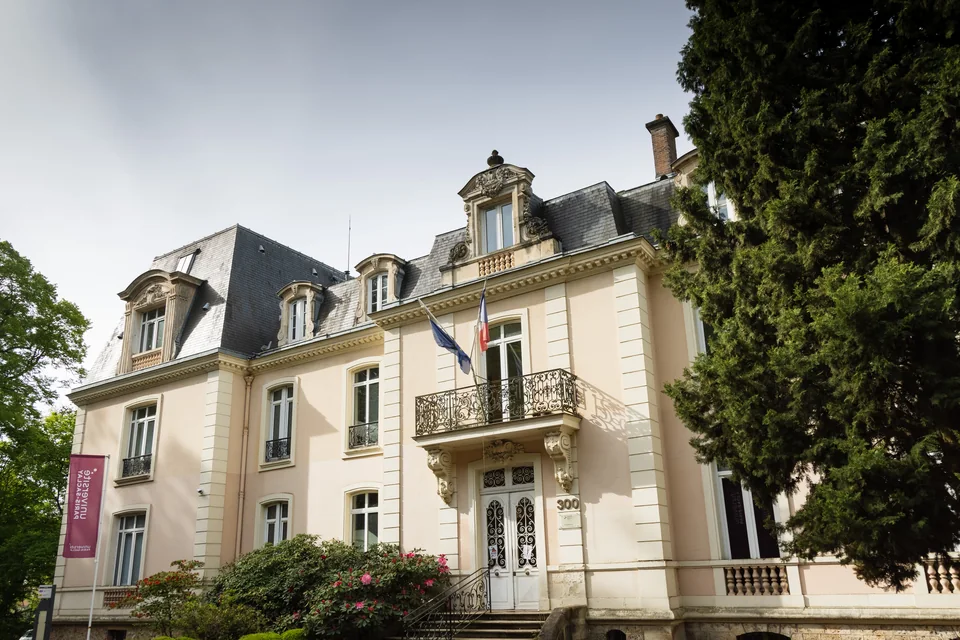
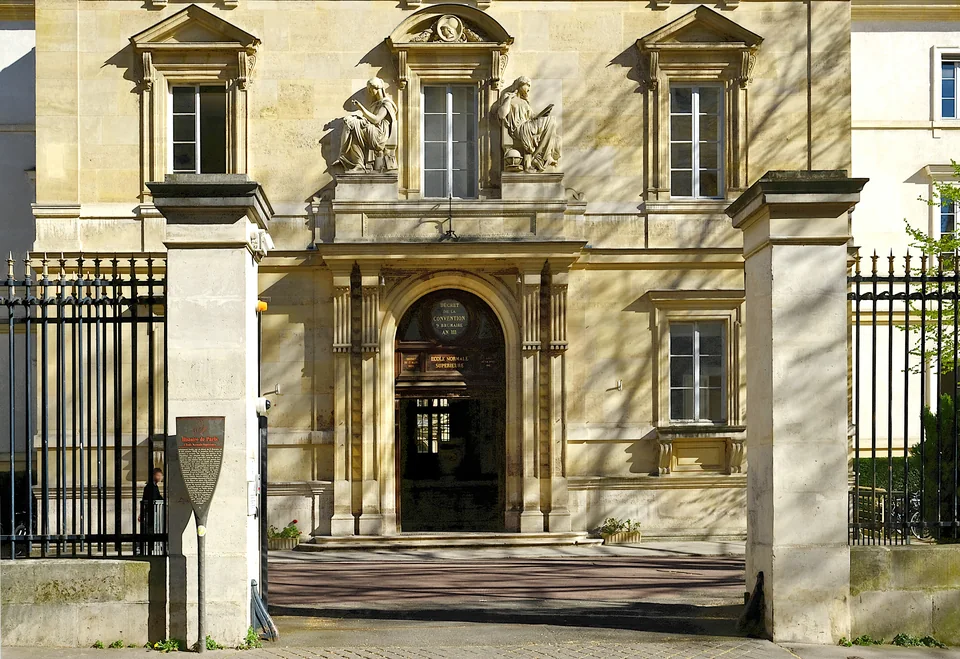
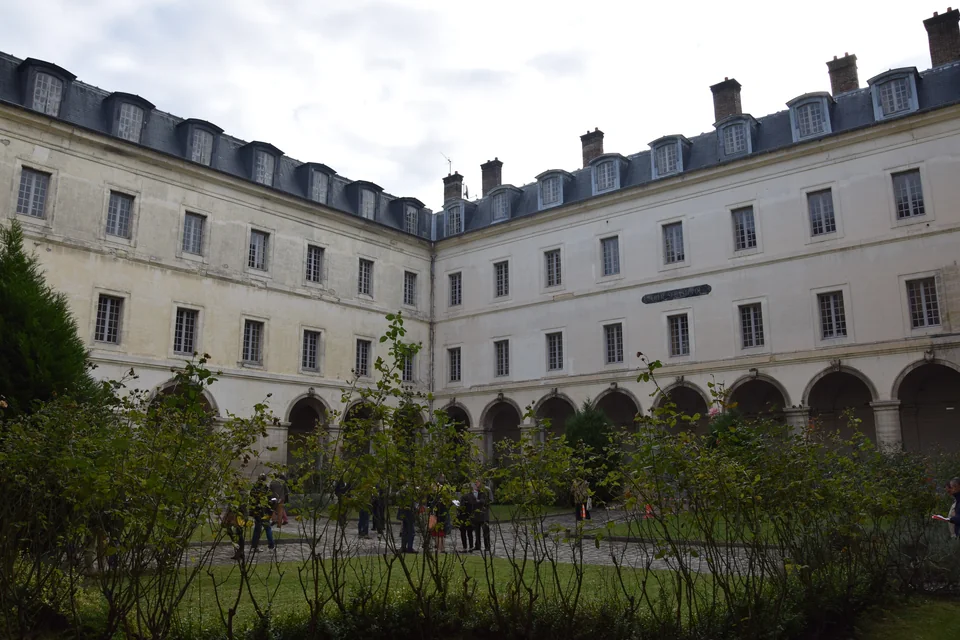
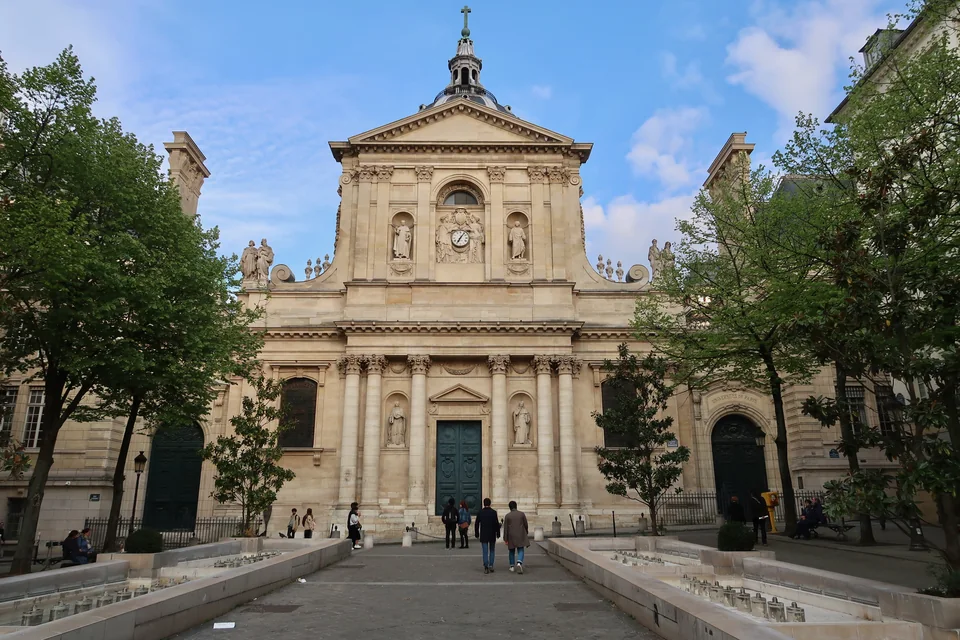
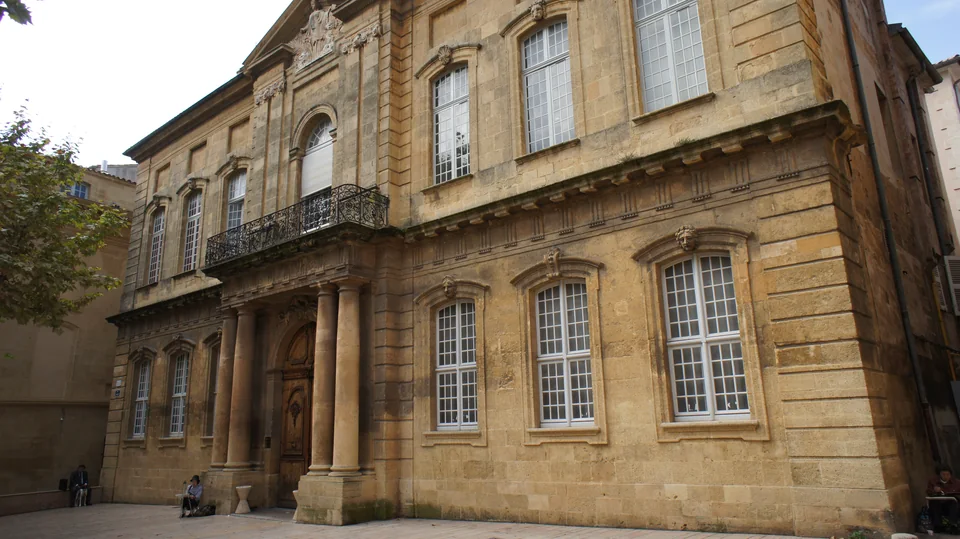



Bachelor's in France: Licence entry via DAP, French B2, ≈ $3,300 (€2,902) a year for non-EU students, private Bachelor programmes and a 2027/28 plan.
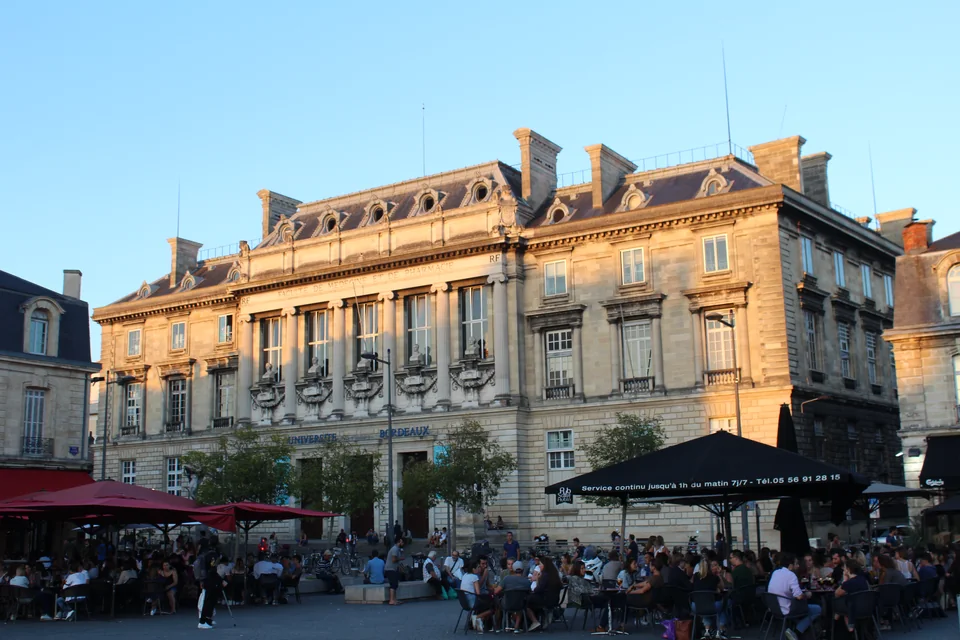
Master's in France: national Master vs MSc and grandes écoles, Études en France or Mon Master, ≈ $4,490 (€3,950) a year, 2027/28 deadlines.

Scholarships in France: Eiffel ≈ $1,364 (€1,200) a month, French embassy scholarships, Abai-Verne, Sciences Po awards, fee waivers, 2027/28 calendar.

Cost of studying in France 2026/27: ≈ $3,299 and $4,490 (€2,902 and €3,950) non-EU fees, CVEC, waiver rules, Paris vs regional living costs, APL.
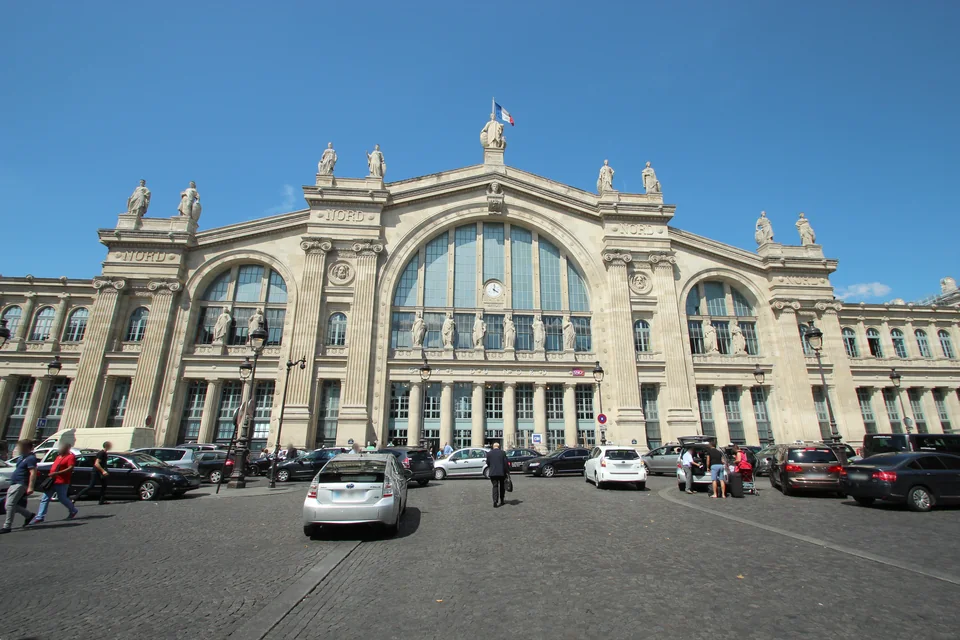
French student visa: VLS-TS via Études en France or France-Visas, ≈ $997 (€877.50) a month since August 2026, fees, documents, validation, work rules.

DELF, DALF and TCF for study in France: level needed for DAP, 2026 dates and fees in Moscow, Almaty and Astana, Tashkent centres, result timelines.
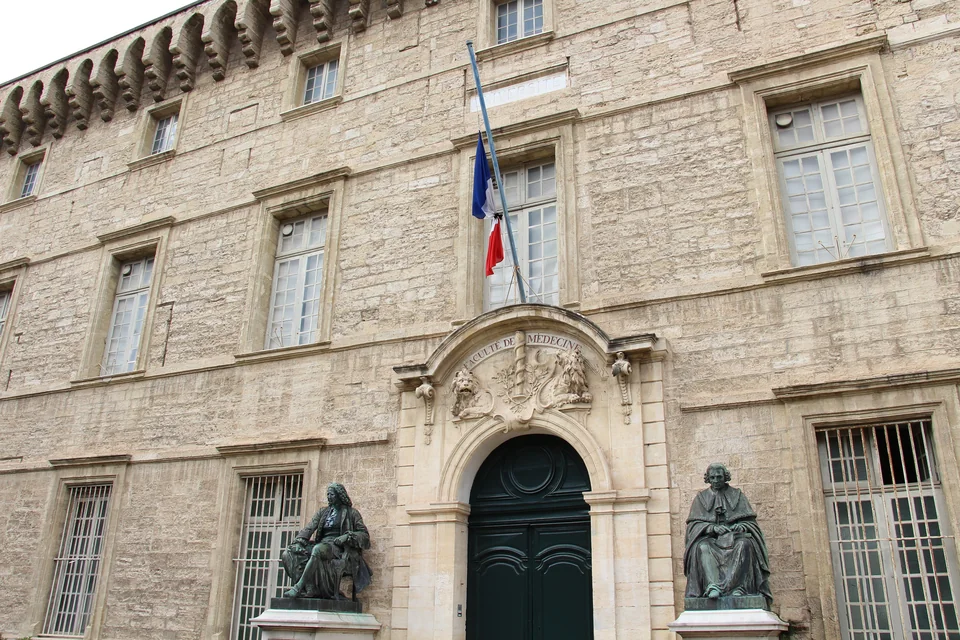
Universities in France for international students: types of institution, diploma recognition, 2026–2027 rankings, 2026/27 fees and admission routes.

Universities in Paris for international students: map of institutions, QS 2027, THE 2026 and ARWU 2026 rankings, 2026/27 fees, housing and admission.
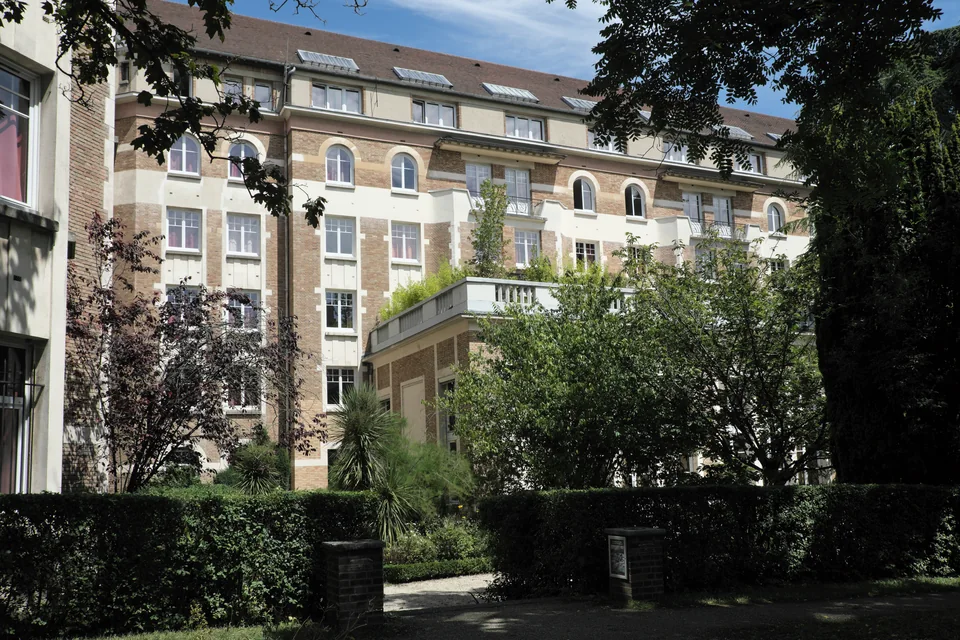
Student housing in France 2026/27: Paris Crous rates, studio rents by city, Visale, deposit rules and the July 2026 CAF (APL) change for non-EU students.

French business schools compared: FT 2025 ranking, 2027 Master in Management fees, degree status after CEFDG, EQUIS, tests, rounds and routes from Russia.
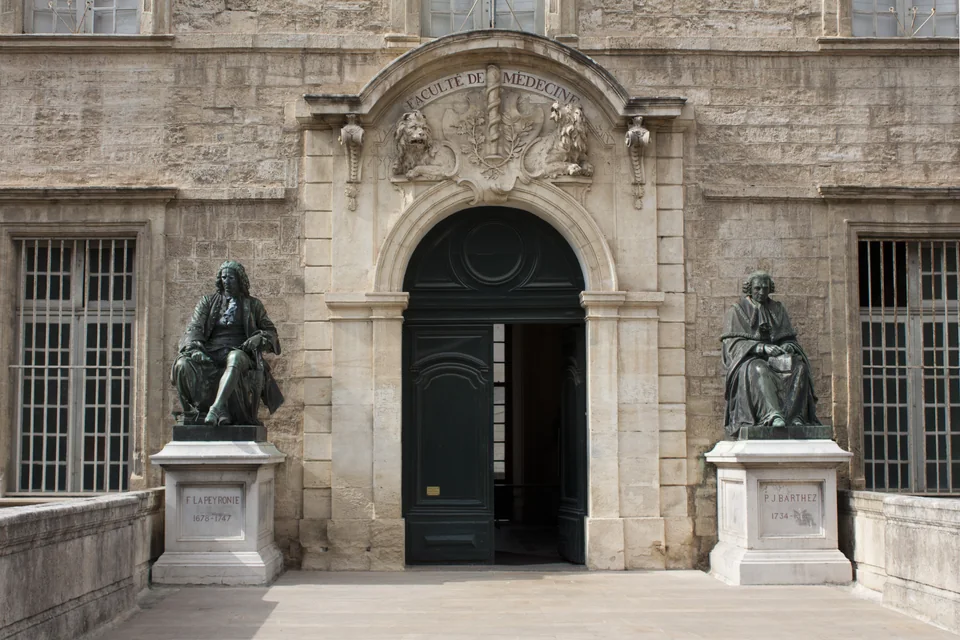
How non-EU students study medicine in France: PASS or L.AS and selection, French B2, 10-12 years to qualify, 2026/27 fees, applying from Russia and transfers.
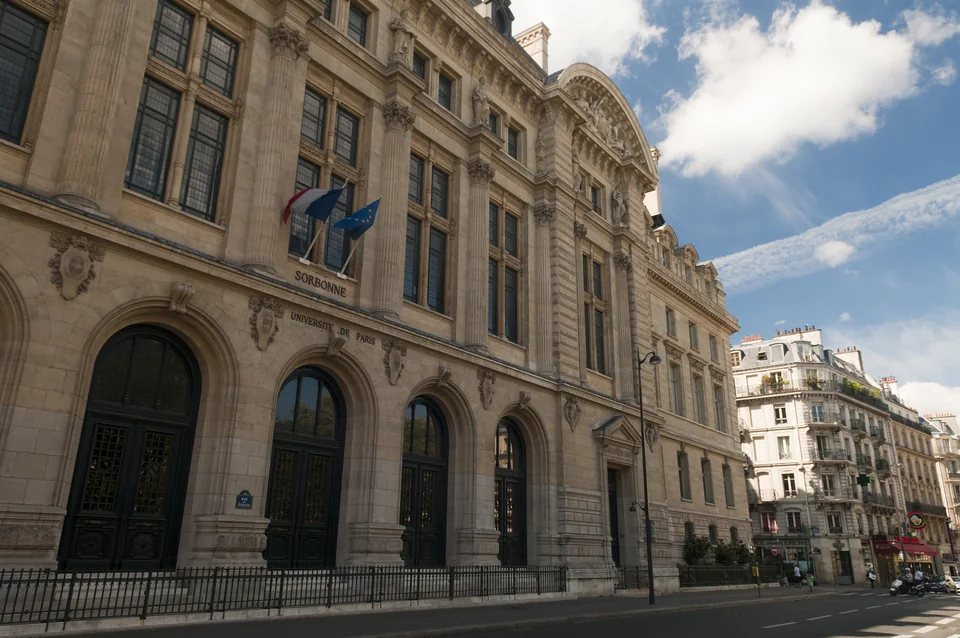
How Russian citizens apply to French universities for 2027/28: Études en France, deadlines, 2026/27 fees, visa funds, language tests and recognition in Russia.
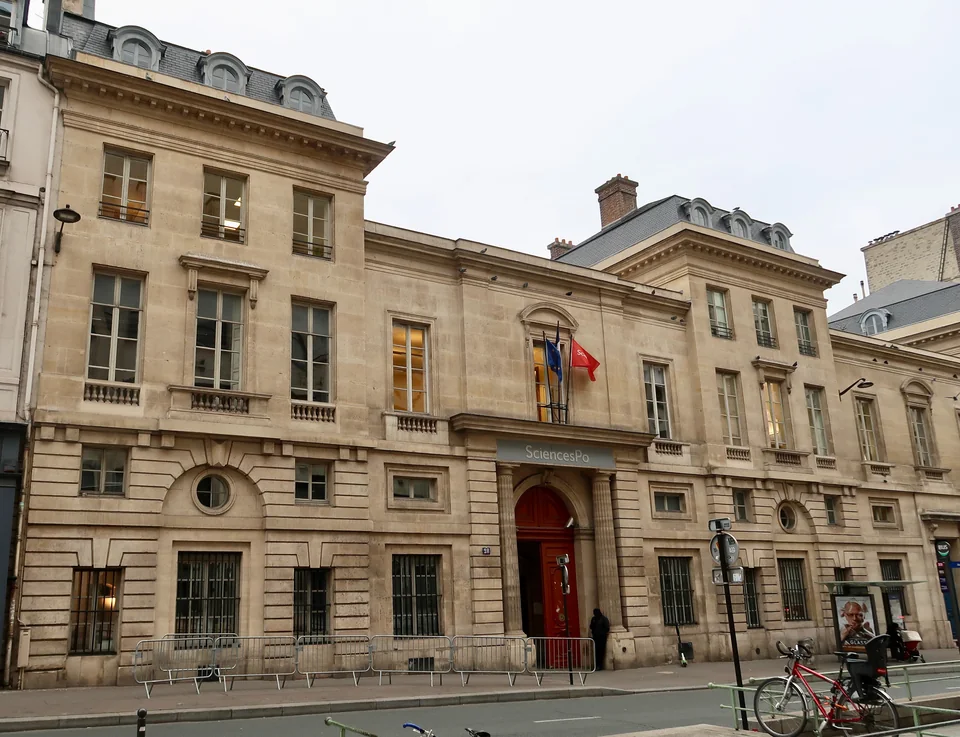
Where to study in English in France: Sciences Po and business-school bachelor’s, university master’s, 2026/27 fees, English tests from Russia and how to apply.
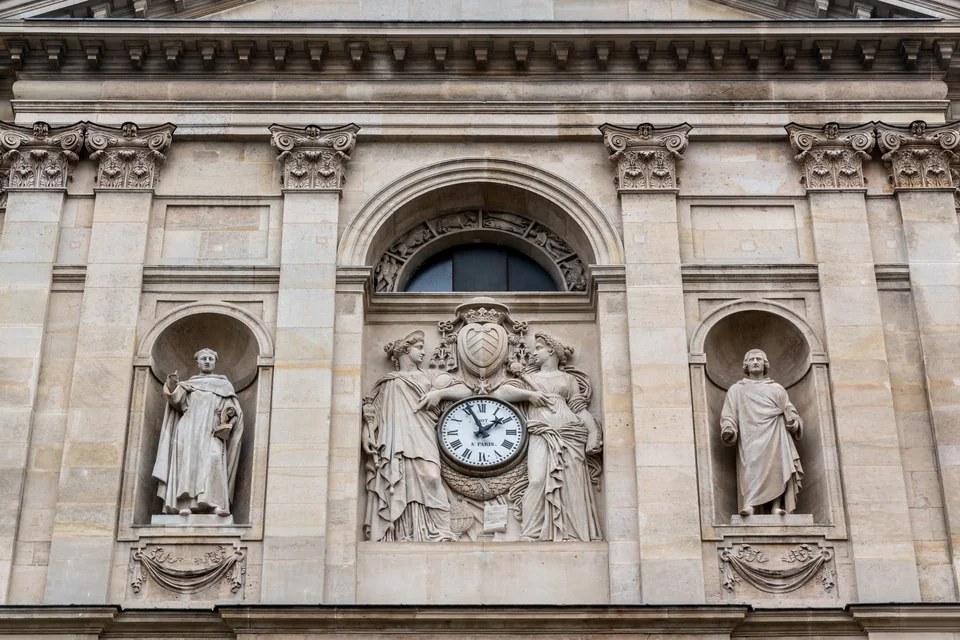
French courses in France: private schools and university centres, 2026 prices, Schengen visa or VLS-TS via Études en France, the A2 rule and €877.50 a month.
During the free initial consultation, we clarify your goal, profile, timing, and budget and identify the next realistic step. A personal strategy, requirement checks, selection of agreed options, document preparation, applications, and support are provided under an agreement with StudyU.
Write to us
Leave a request — and we'll get in touch.
StudyU is an ICEF Accredited Trusted Agency (#7302). Our consultants are students and graduates of universities in the countries they help you apply to. About StudyU
For your first enquiry, a contact detail and your question are enough. Do not send passport details or document scans through this form. If documents are needed for your application, we will explain why and how to send them. How we process personal data
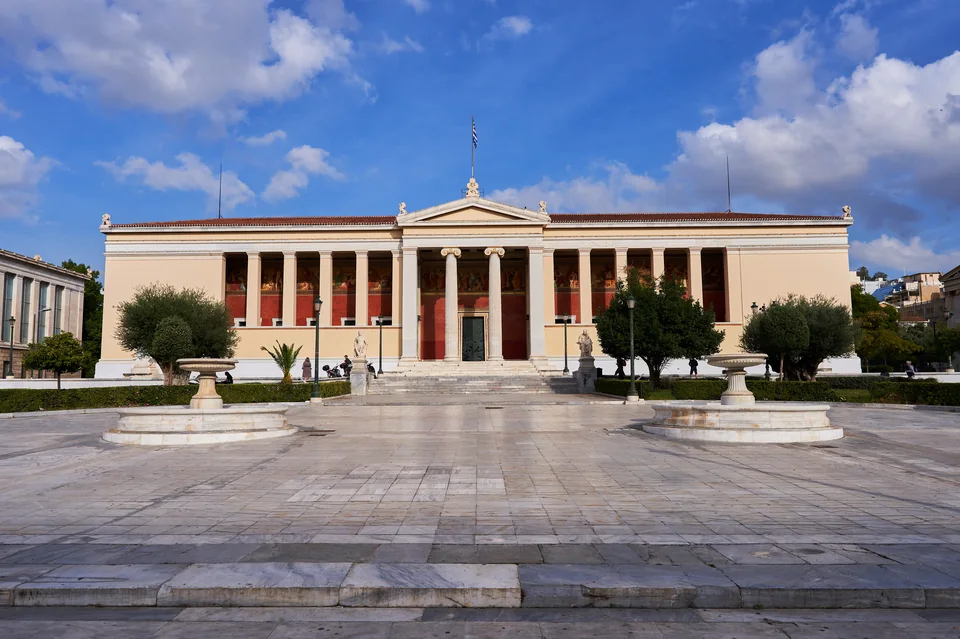
Higher education in Greece for international students: 1 universities, tuition, requirements and deadlines. University selection and admission help.
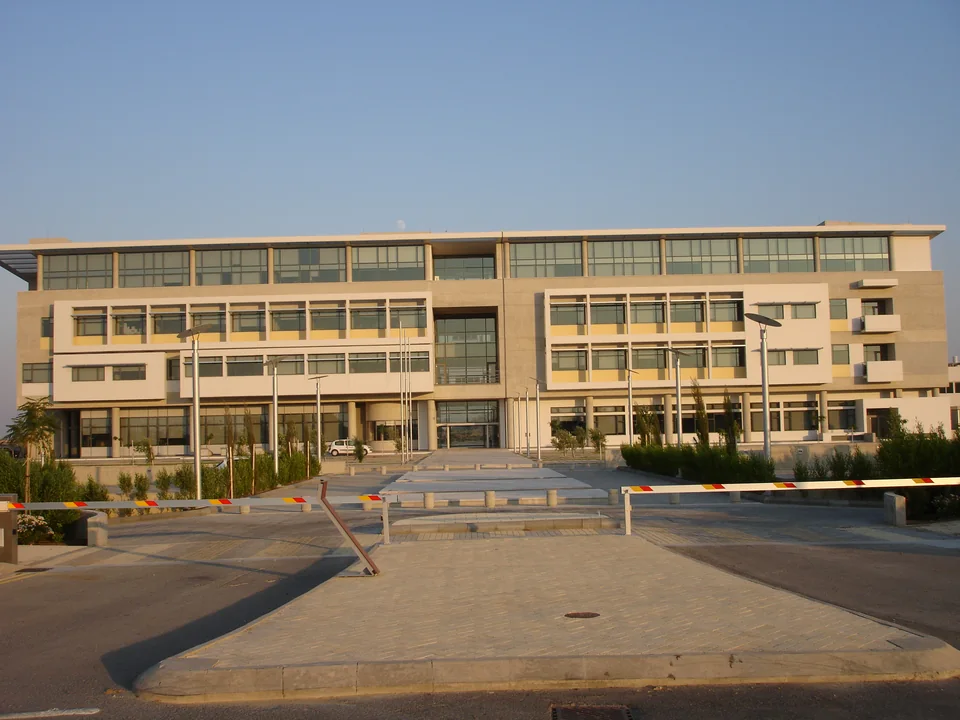
Higher education in Cyprus for international students: 2 universities, tuition, requirements and deadlines. University selection and admission help.
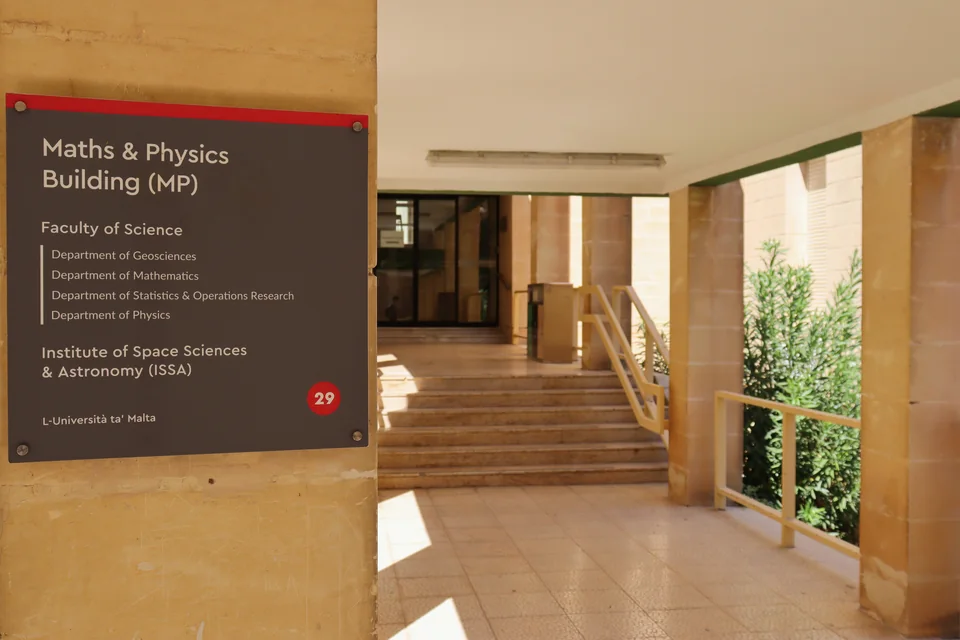
Higher education in Malta for international students: tuition, requirements and deadlines.