
University · United Kingdom
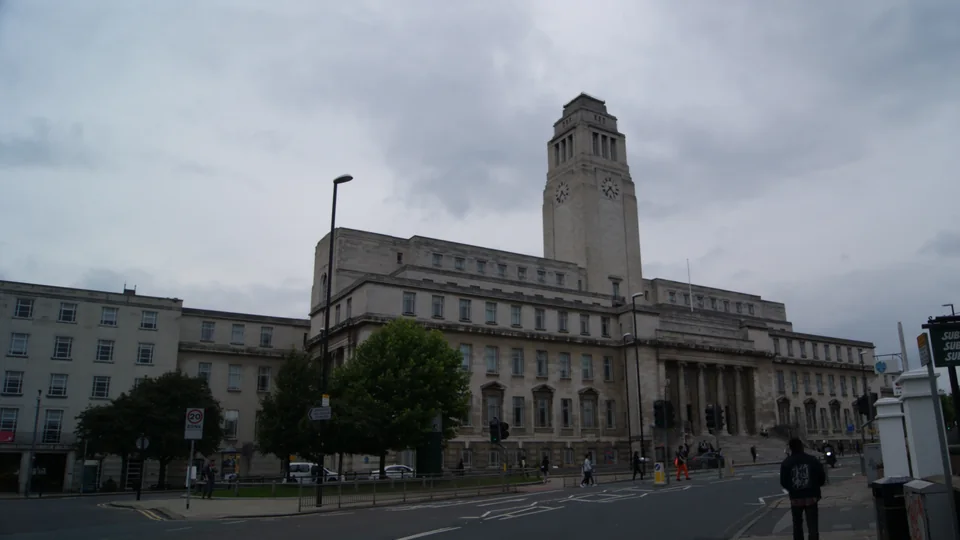
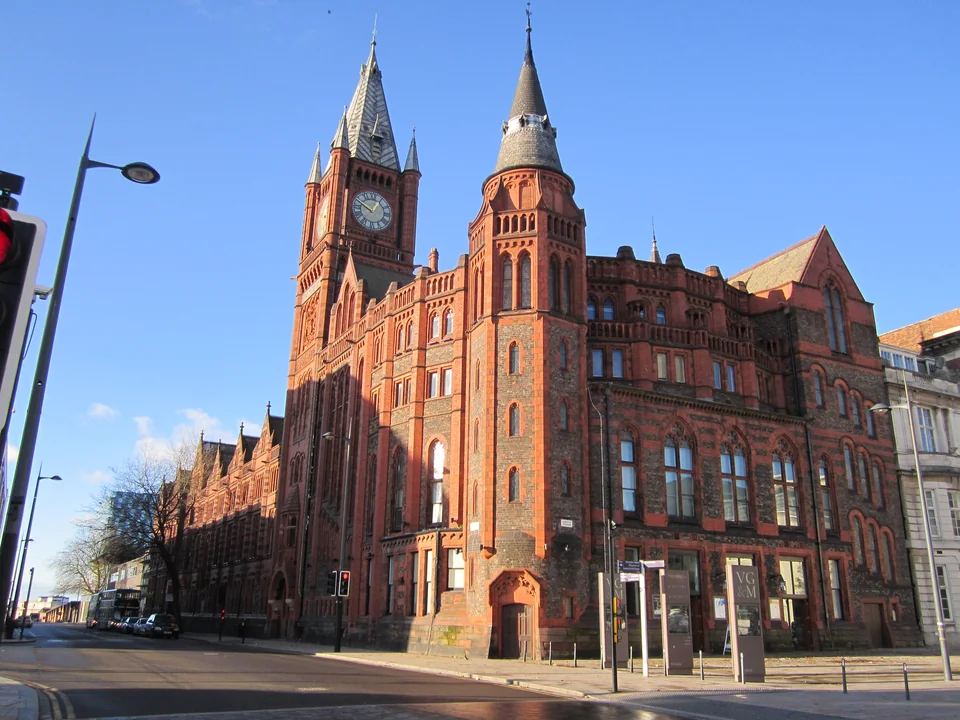
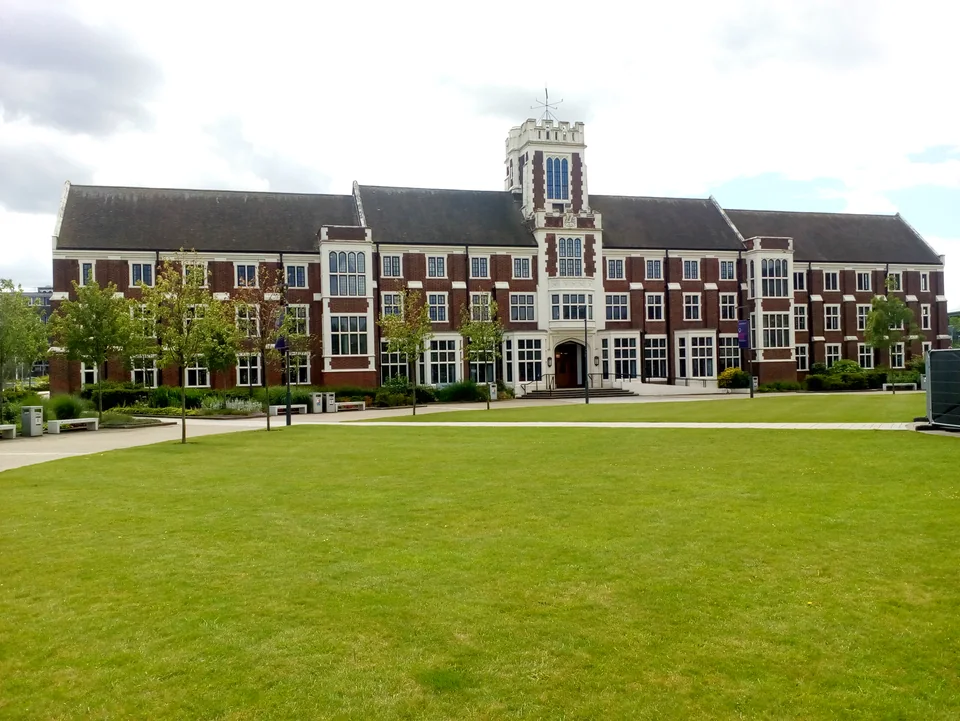
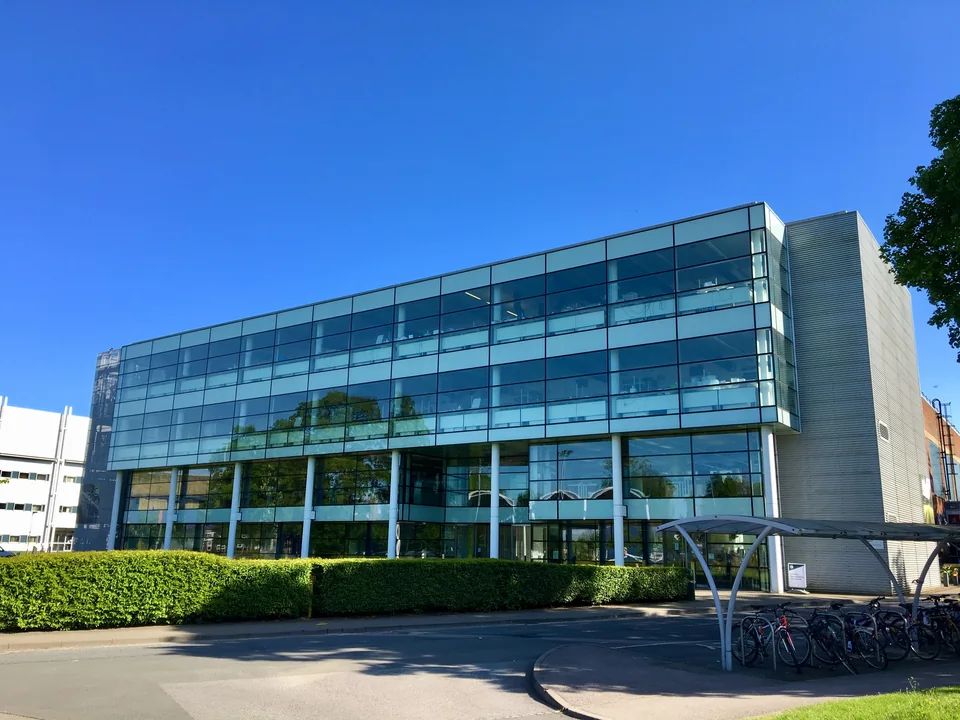
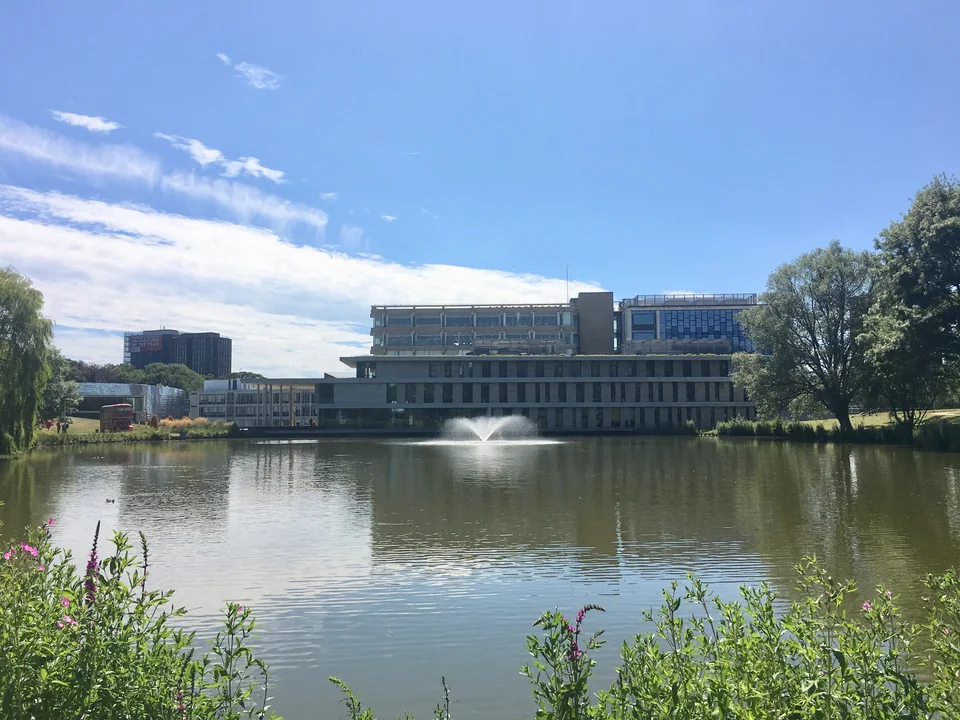
Lancaster University
- Fee example
- BSc Computer Science · $41,990 (£31,700) · 2027/28
The UK is home to one of the oldest academic traditions, and British degrees are recognized worldwide. The main difference from many countries is shorter programs: a bachelor's usually takes 3 years and a master's just 1, which saves time and money.
Study is highly specialized from the start: students look into their chosen field right away. All teaching is in English.
Annual fees help compare programmes, but the cost of the full qualification matters. The figures below are British Council guides for international students, not each university’s tariff.
| Scenario | Approximate USD |
|---|---|
| Undergraduate tuition per year | $15,400–$51,200 |
| Postgraduate tuition: annual guide | $12,100–$40,400 |
| Living outside London: 12 months | $14,600–$21,000 |
| Living in London: 12 months | $21,000–$22,700 |
Check the tenancy period: a room for teaching months does not automatically cover summer. Housing is included in the living guide.
Undergraduate illustration outside London, tuition and 12 months of living: approximately $30,000–$72,200. Add expenses outside these categories.
A foundation course adds a separate stage of spending. Many master’s programmes last one year; clinical, research and other courses may differ in length and price.
Compare campuses outside London and direct entry with a preparation route. A cheaper individual year can still produce a higher cost to graduation.
Include your qualification, subject, English results and willingness to study outside London. Prepare a full-degree budget for your enquiry.
Rounded amounts are shown in US dollars for comparison, using ECB reference rates from 2026. The programme and its provider’s terms determine the final fee. Comparative scenario totals add the rounded rows. Count housing and other categories once. Check what the university calculation includes; add only missing expenses and StudyU fees separately. A deposit can require funds before studies start. Do not add proof of funds again to expenses those same funds cover.
Admission is based on your diploma (often via a Foundation year for CIS school graduates) and an IELTS certificate. Master's admission is based on your bachelor's degree.
We'll help with the Foundation year, documents, language and application.
The route:
The university assesses the exact school qualification, subjects, grades and English evidence. A foundation programme or A-levels may be an option, but check entry and progression requirements before paying. The university decides admission. More: guide.
Many taught master’s programmes last one year, but research, clinical and other courses may differ. The university assesses the previous degree, subjects, grades and language; tests or experience may also be required. Compare the full course fee and the housing period, and include scholarships only after an award.
Use the same intake, study load and accommodation period when comparing offers. Confirm compulsory charges, payment dates and refund terms. Count housing and financial evidence once; add only expenses absent from the published calculation.
Many undergraduate programmes in England, Wales and Northern Ireland last three years; Scottish degrees commonly take four. Many taught master’s programmes take one year. The selected programme’s duration and total budget control the comparison.
Usually IELTS; the exact score depends on the university and program.
Tuition is only part of the cost: London housing and a separate foundation year can change the total substantially. Compare full course duration and 12 months of living; the table above separates tuition from location-specific living estimates. Count scholarships only after an award.
The British Council guide for international undergraduates is $15,400–$51,200 a year for tuition. Twelve months of living, including housing, is about $14,600–$21,000 outside London or $21,000–$22,700 in London. Individual programmes may differ; budget separately for visa charges and preparation.
A CAS is the reference issued by a licensed student sponsor for a Student visa application. Confirm the provider’s offer, document and deposit conditions and the permitted application period. A payment alone does not guarantee issuance.
GOV.UK gives a usual decision time of three weeks for applications outside the UK and eight weeks inside. These are estimates, not guarantees; document checks or individual circumstances can take longer. Apply after receiving your CAS and within the permitted application window, and allow time before the course starts.
Thinking about studying in the UK?
Each university profile lists faculties, fees and entry requirements.
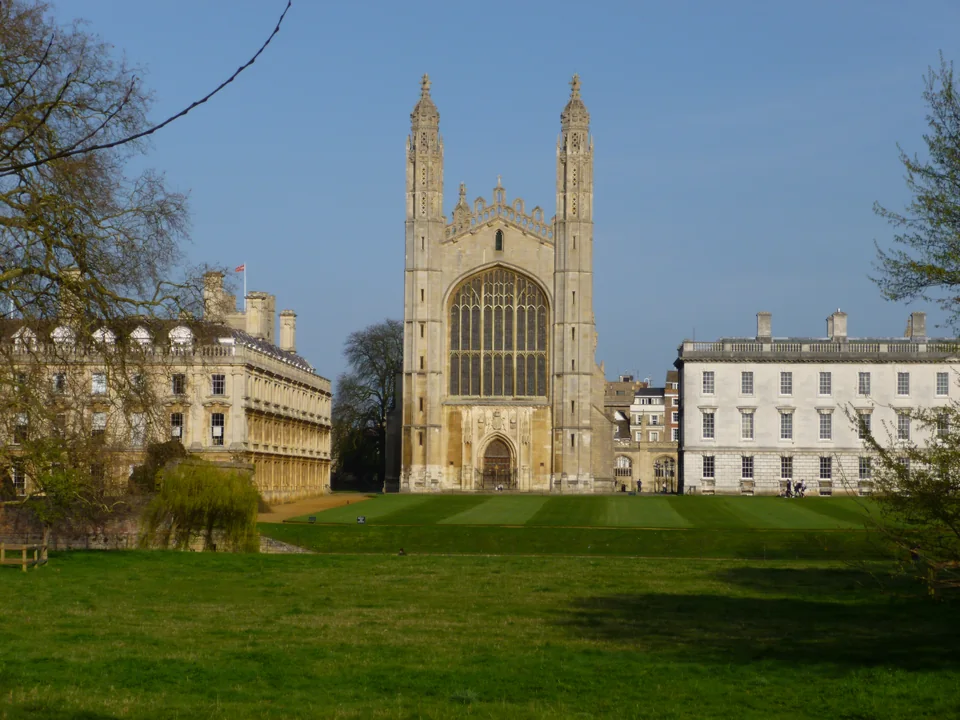
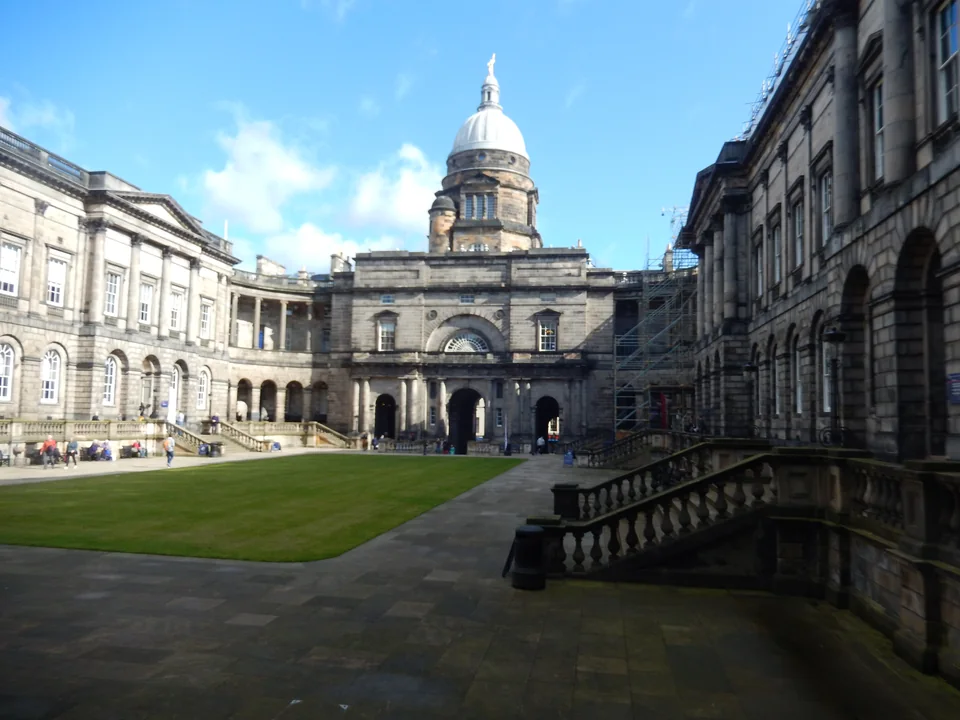
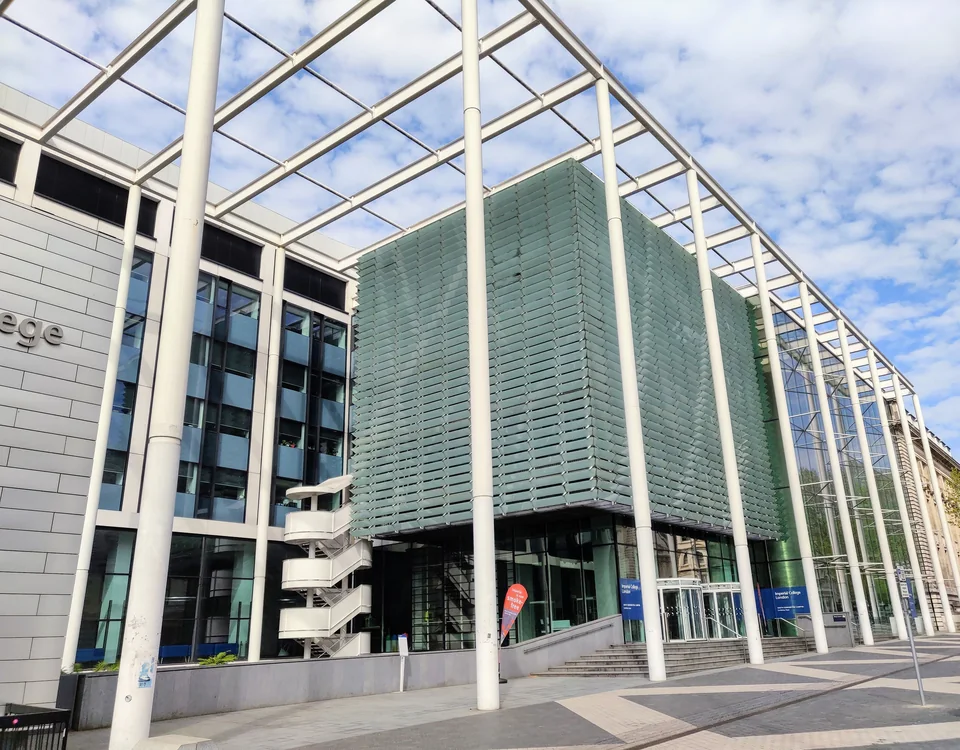
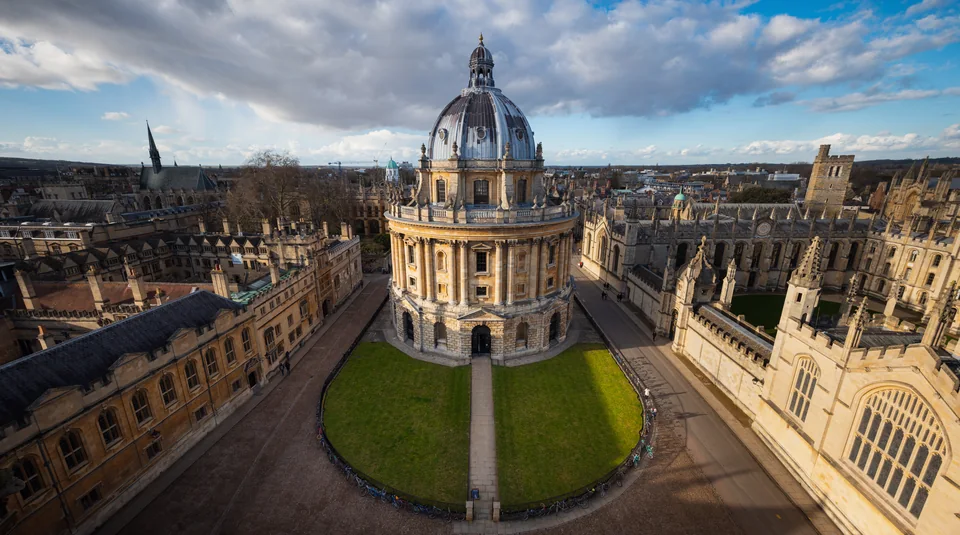
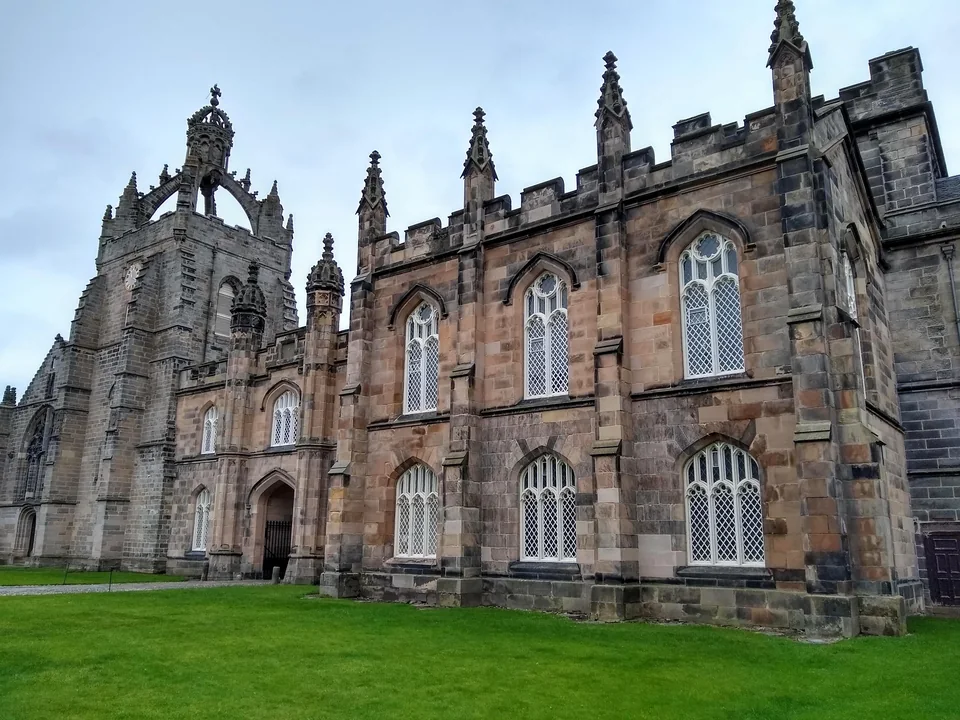
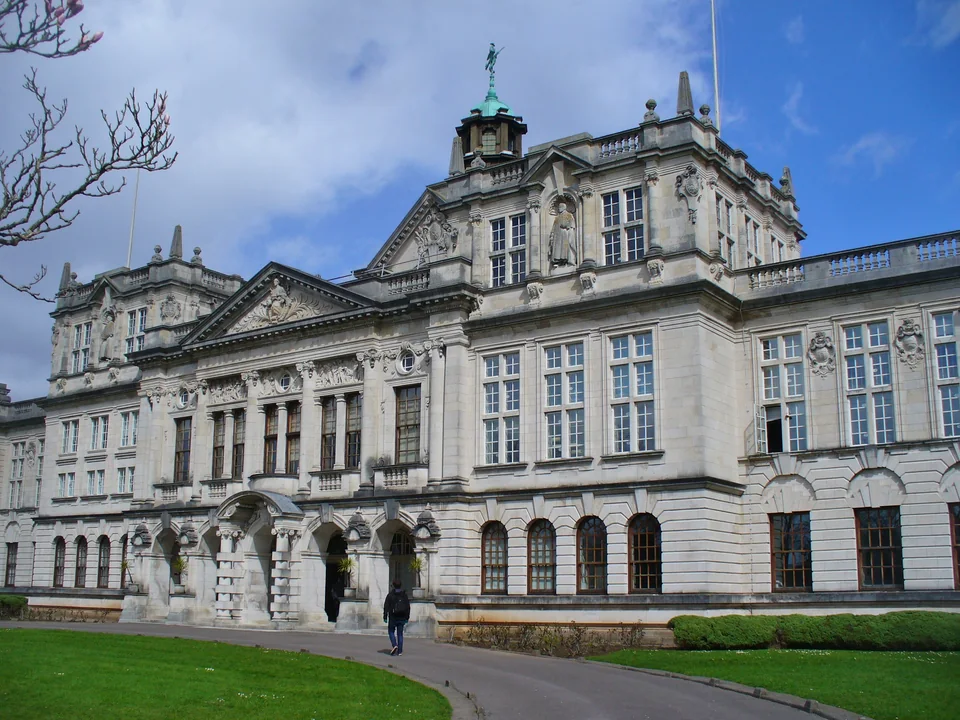
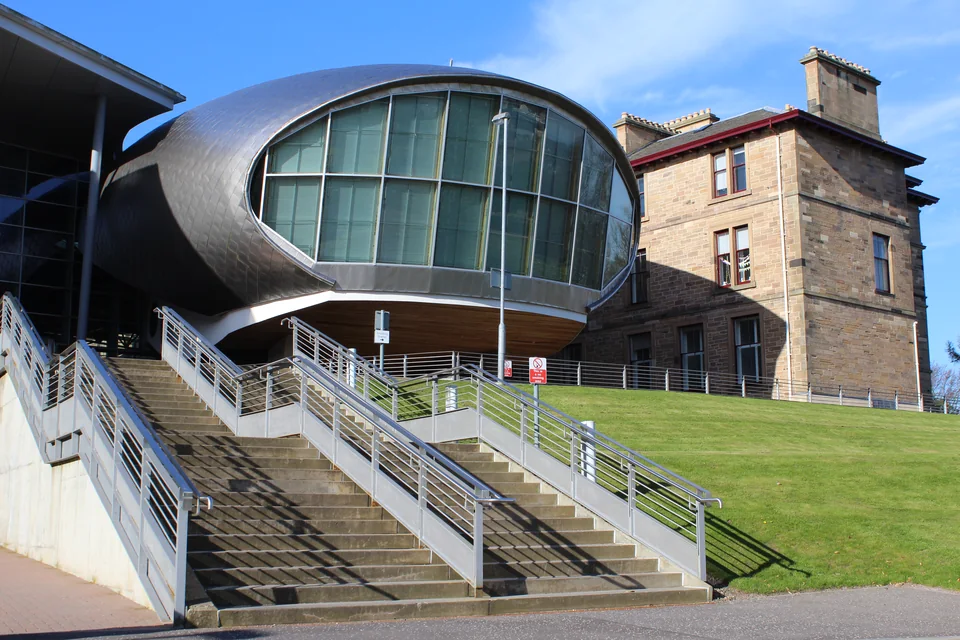
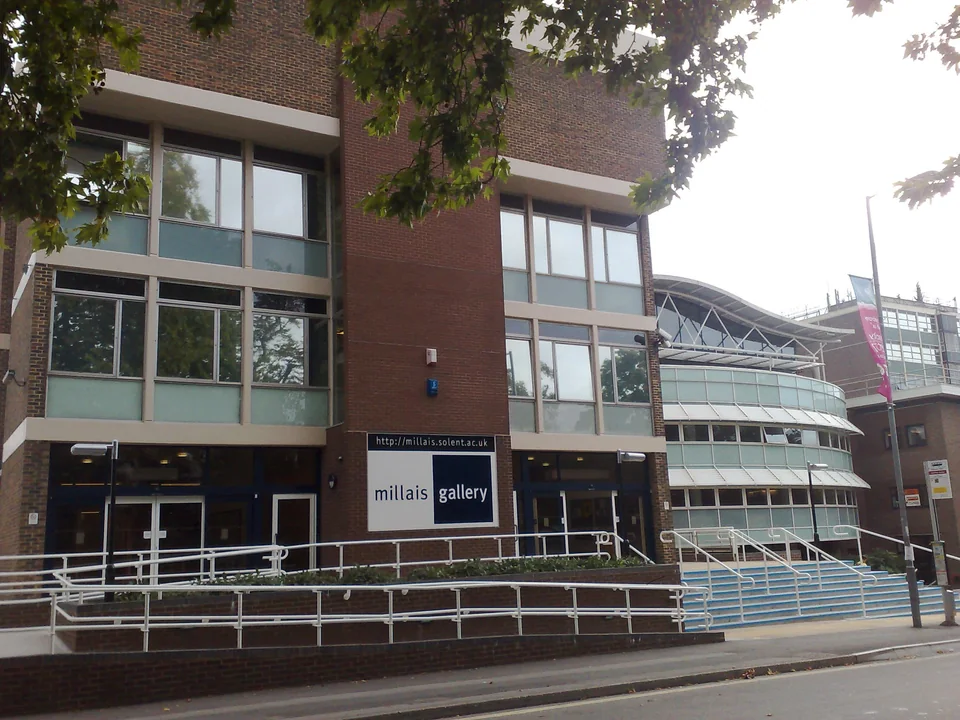
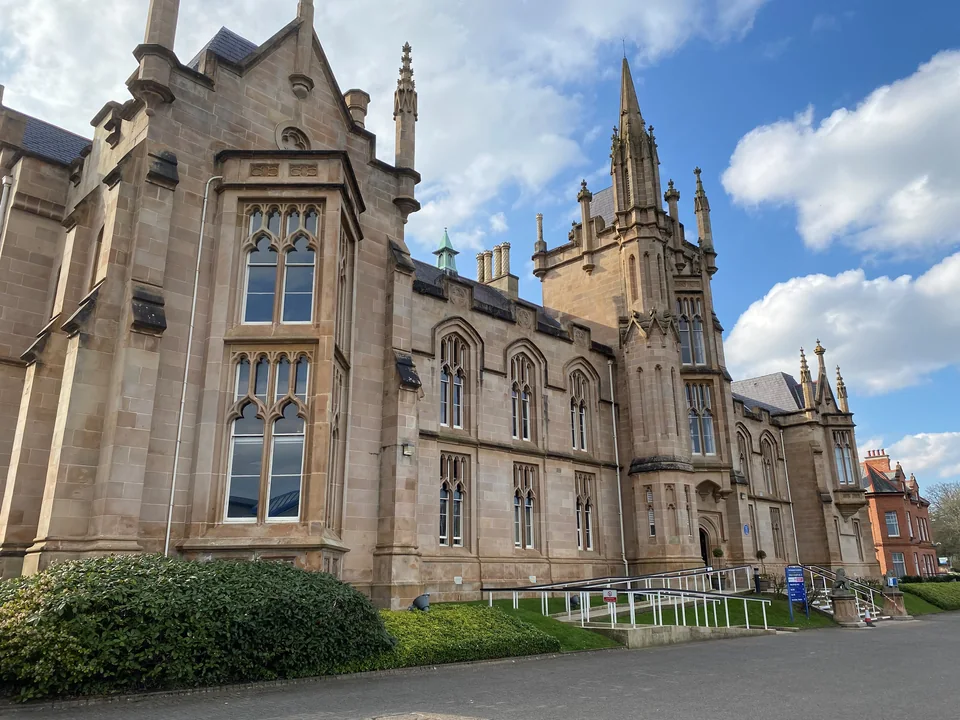
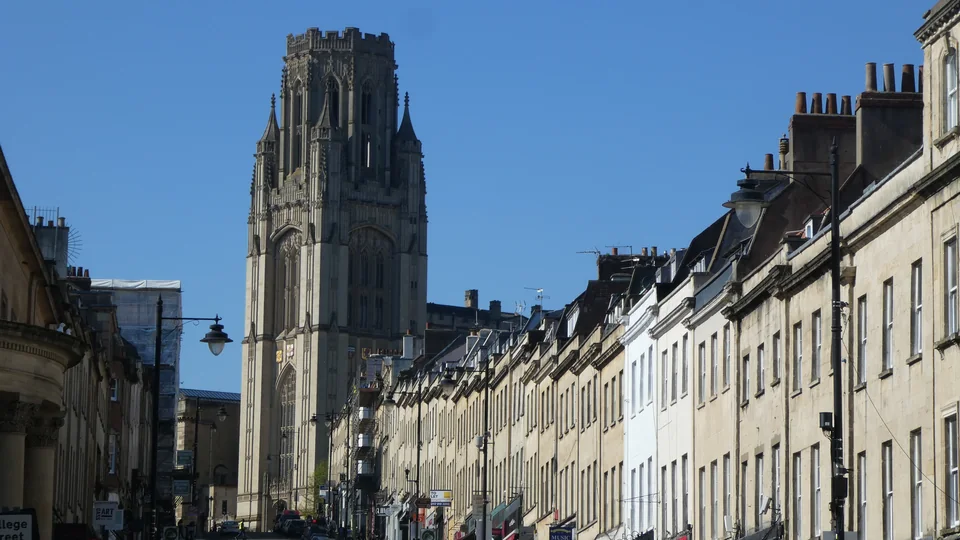
UK bachelor's degrees for 2027: 3 years in England, 4 in Scotland, fees from $23,800, entry after 11-year school, UCAS deadlines, visa and full budget.
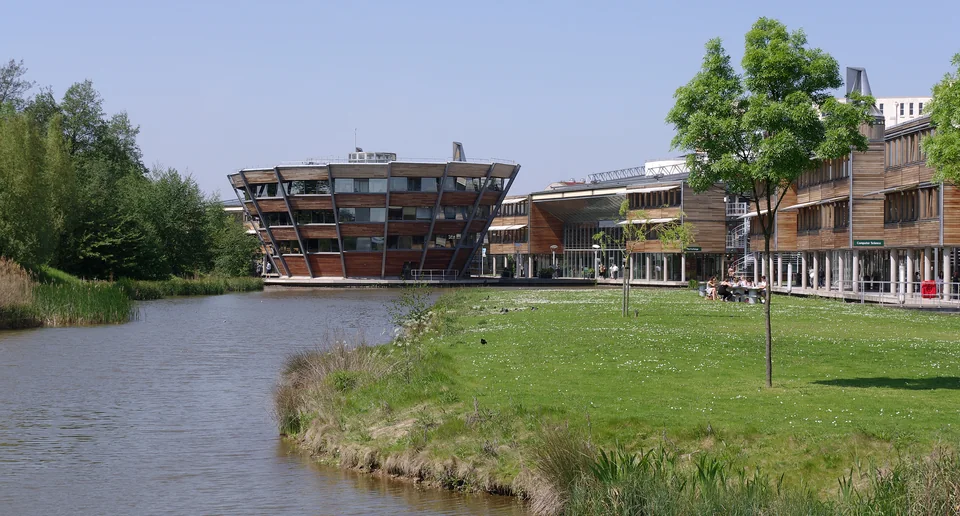
Foundation year in the UK: five programme types, entry requirements for CIS students, 2026/27 fees at Bristol and UCL, SELT and visa rules, progression.
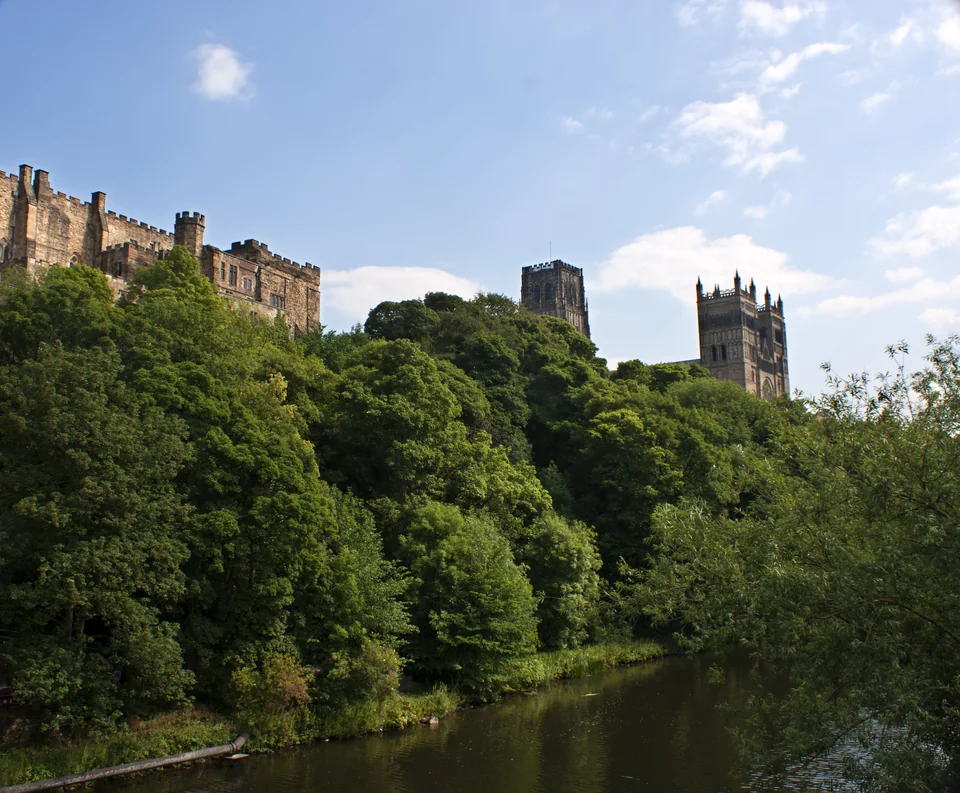
UK university after 11 years of school: five routes, requirements for Russia and the CIS, the role of UK ENIC, foundation years and 2027 deadlines.
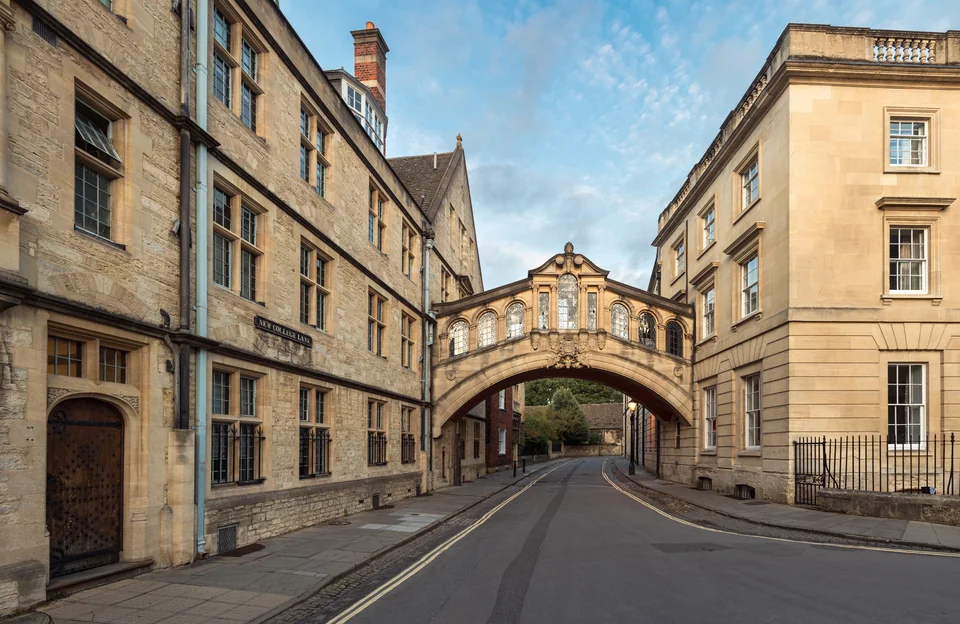
Oxford and Cambridge 2027 entry: UCAS by 15 Oct 2026, ESAT/TMUA/TARA, interviews, rules for CIS school certificates, tuition from $52,400 a year.
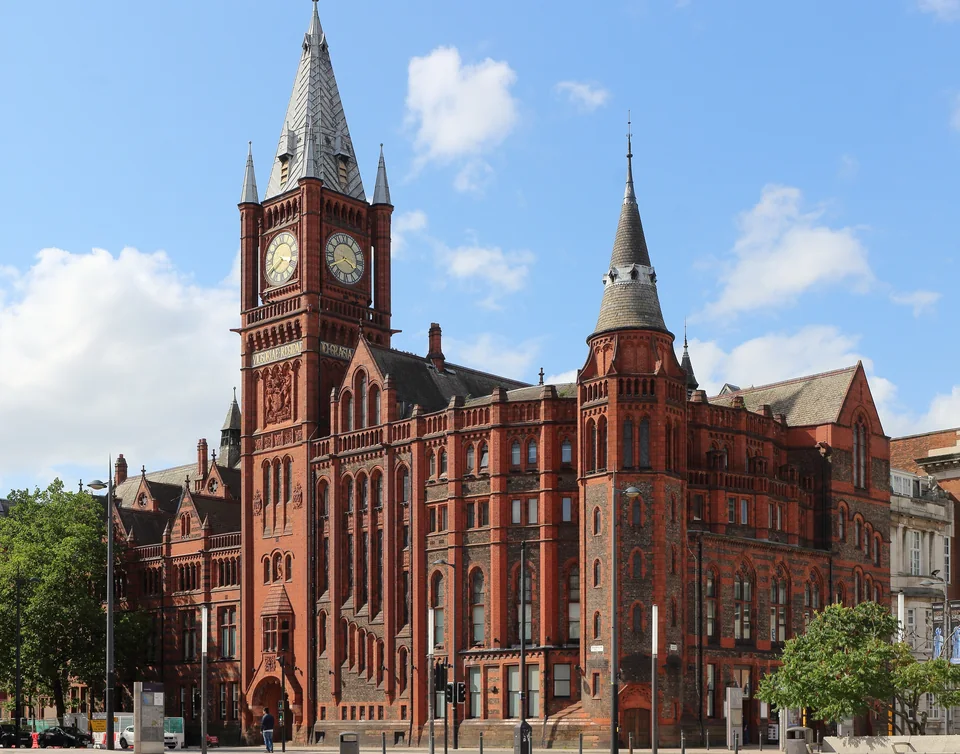
How to apply to UK universities for 2027: routes by qualification, UCAS dates, English tests and SELT centres, offers, CAS and the Student visa step by step.
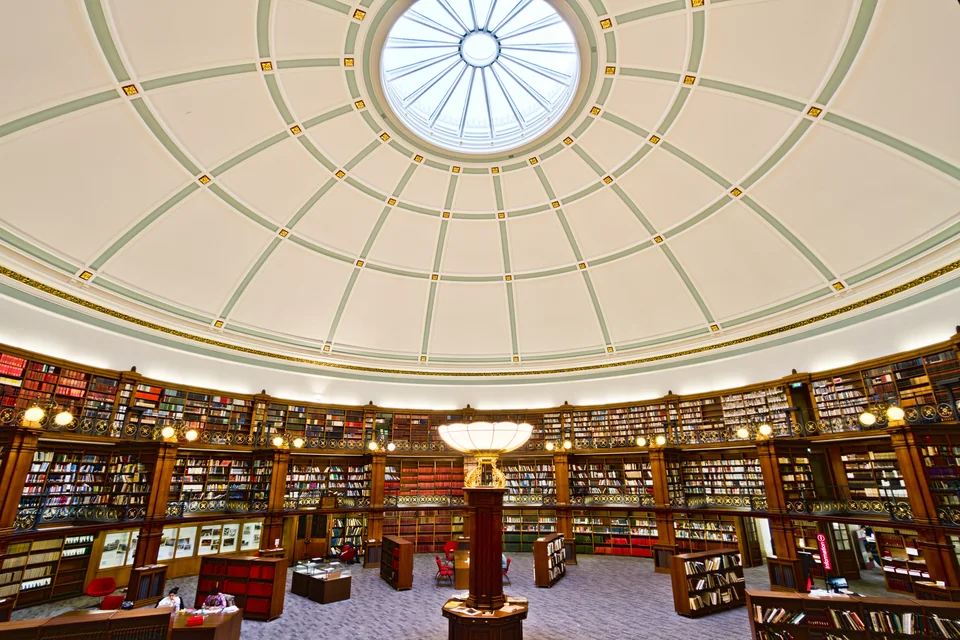
When you need IELTS for UKVI and when a university accepts standard IELTS; B1/B2 scores for IELTS, PTE, LanguageCert, PSI; where to take a SELT.

20-hour rule, $17 (£12.71) wage, tax and NI, realistic earnings; Graduate Route two years until 31.12.2026, 18 months from 2027, and Skilled Worker.
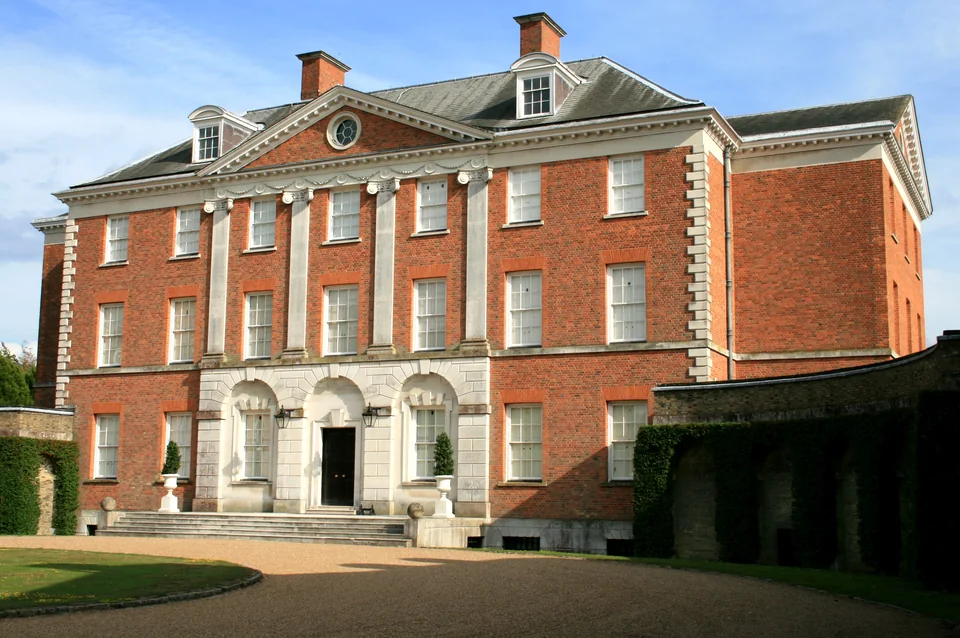
UK scholarships for Russian and Kazakh citizens: Chevening 2027/28 (applications closed; next dates not announced), Gates, Clarendon, Bolashak.
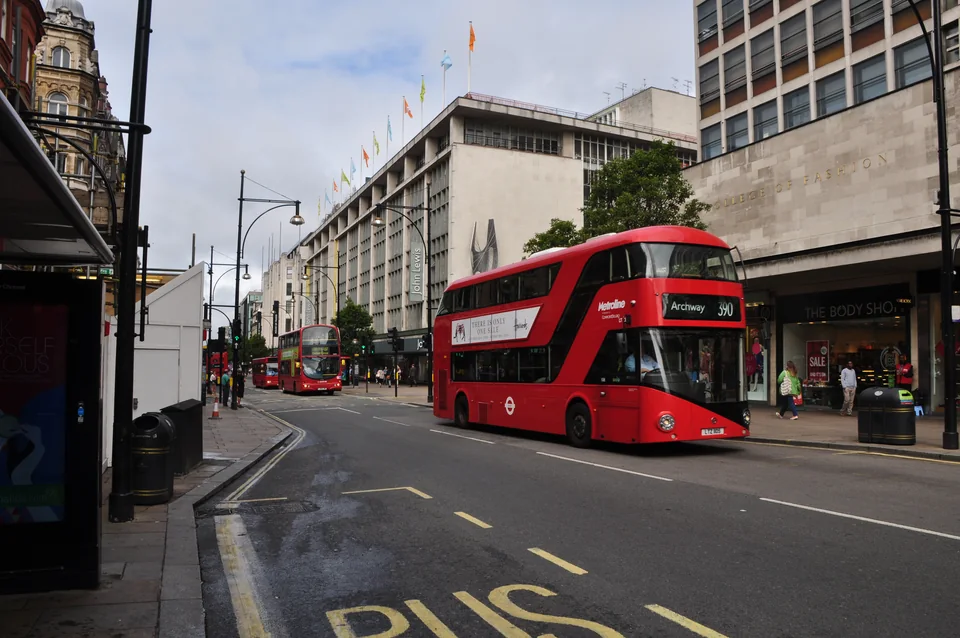
2026/27 international tuition fees, London and regional living costs, halls, visa and IHS charges, visa funds and four first-year budgets in $.
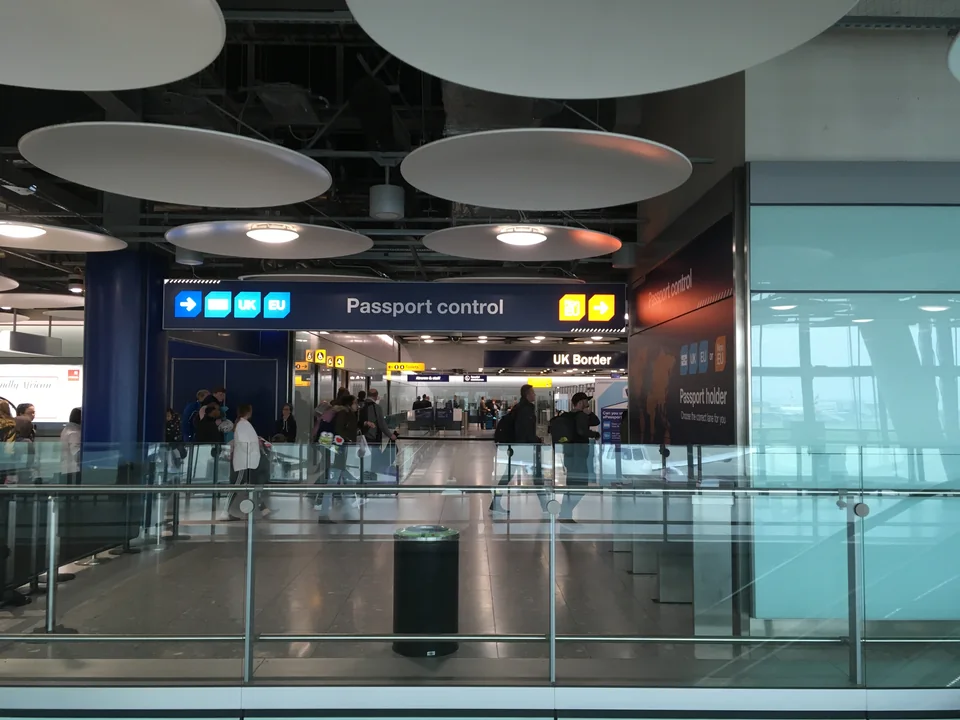
UK Student visa 2026: CAS, $738 (£558) fee and IHS, 28-day funds, TB test and ATAS, where to apply from Russia and Central Asia, interviews and eVisa.
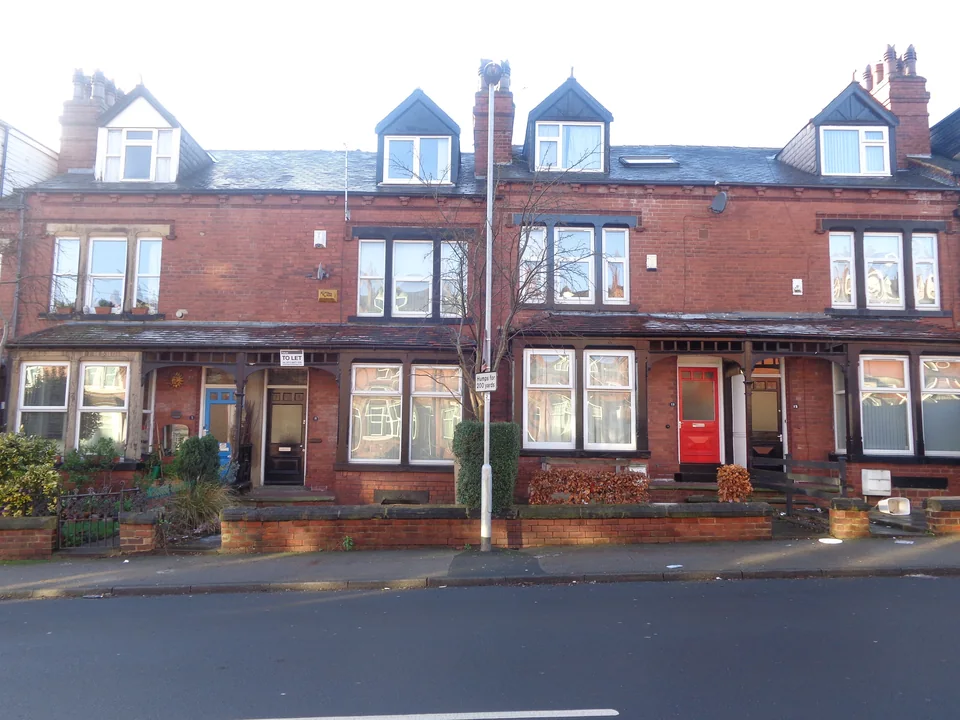
Halls, private halls and shared houses: 2026/27 university prices, deposits, England's ban on advance rent from May 2026, Scotland and a checklist.
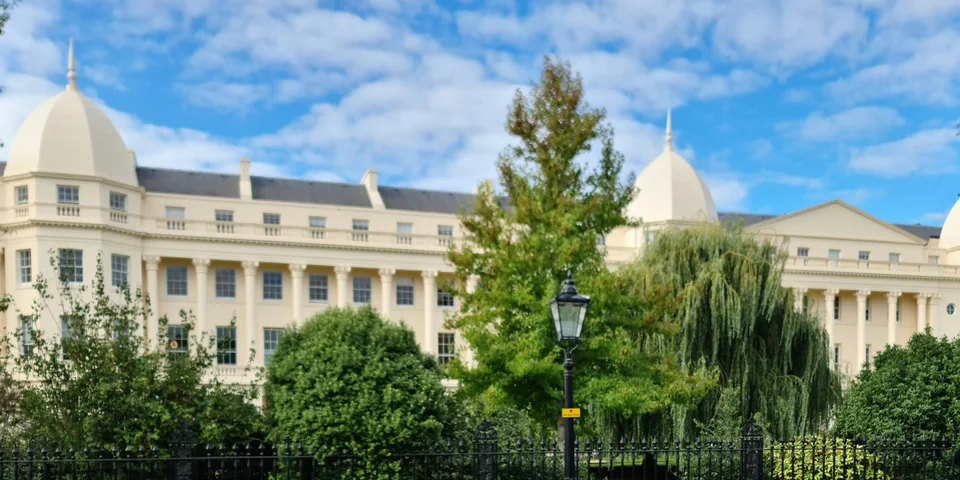
MBA in the UK: 13 schools in the FT 2026 ranking, fees at LBS, Cambridge, Imperial, Warwick and Manchester, entry rules, rounds, Chevening and visas.
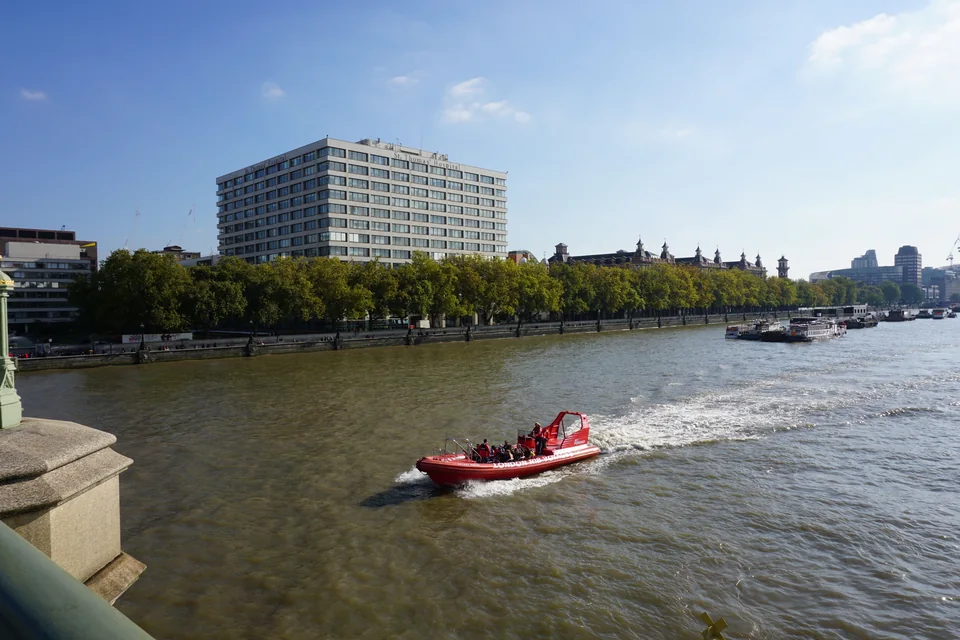
Studying medicine in the UK as an international student: UCAT (BMAT gone), international quotas, 2027/28 fees, the 2026 prioritisation law and GMC.
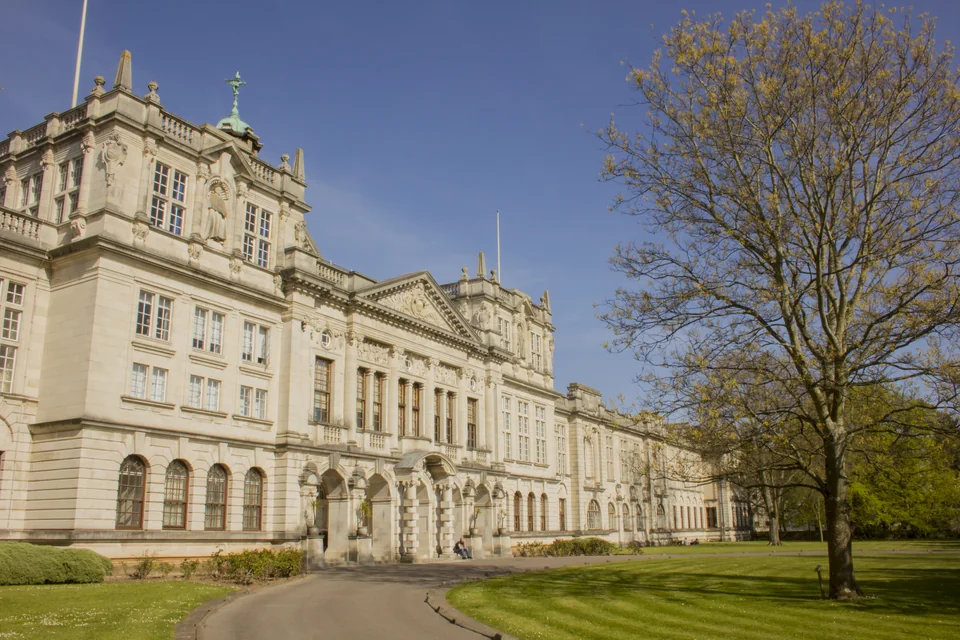
All 24 Russell Group universities with THE 2026 ranks, 2026/27–2027/28 fees, when membership matters and how international students apply.
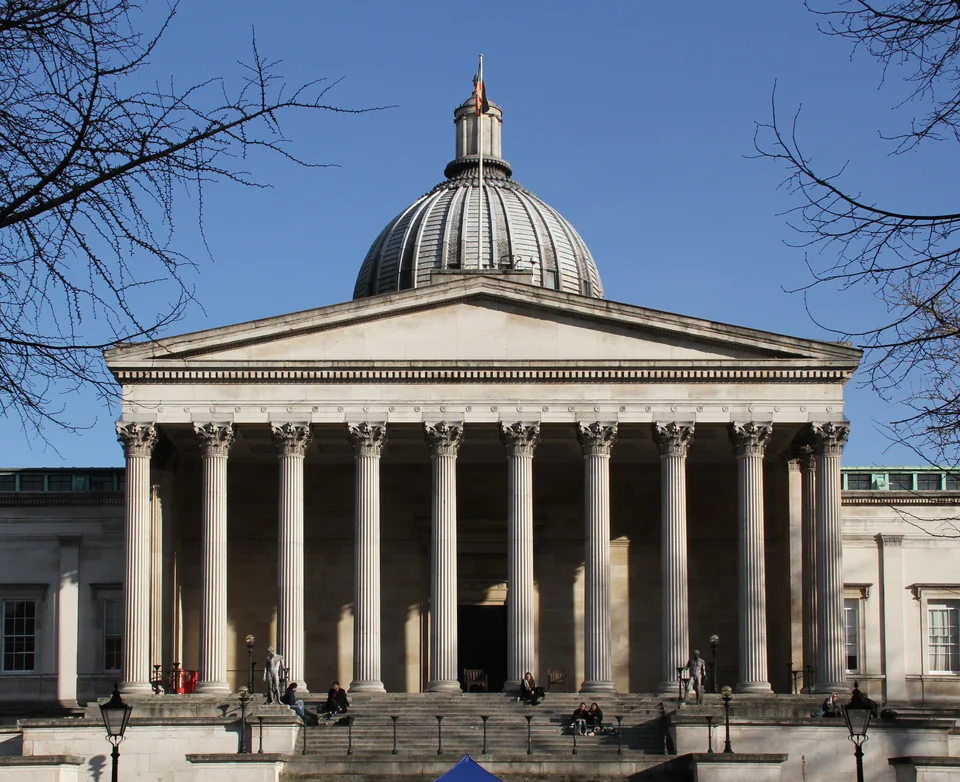
London universities for international students: 20 institutions with THE 2026 ranks, fees from Greenwich to Imperial, visa funds from 30 Nov 2026.
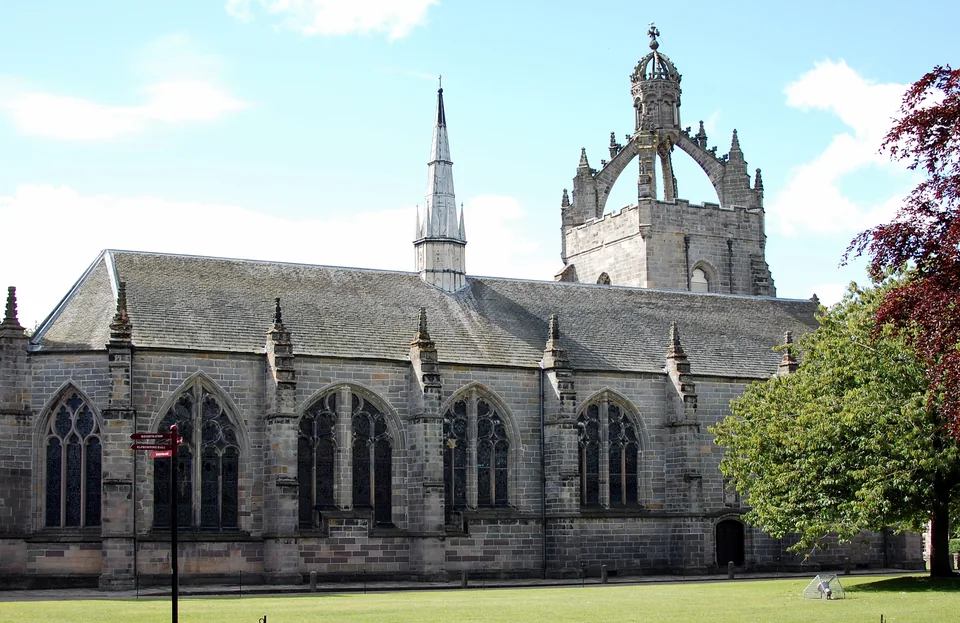
Scottish universities for international students: 19 institutions, THE 2026, 2026/27–2027/28 fees, four-year degrees, SAAS rules and how to apply.
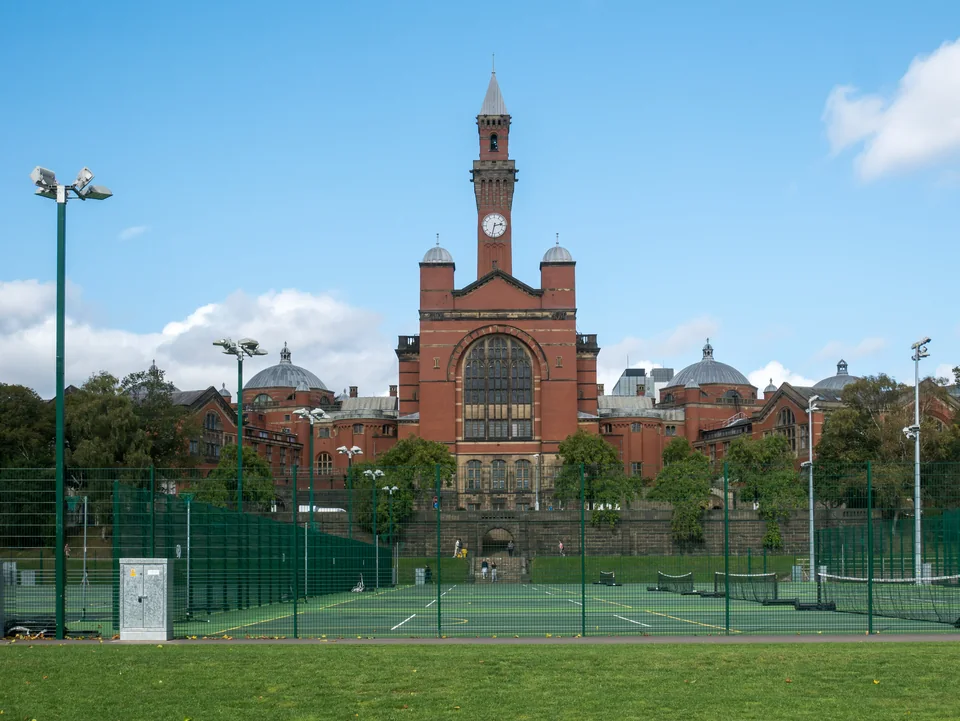
UK universities for international students: types, THE 2026 and QS 2027, 2026/27–2027/28 fees, money for the visa, entry from the CIS and a plan.
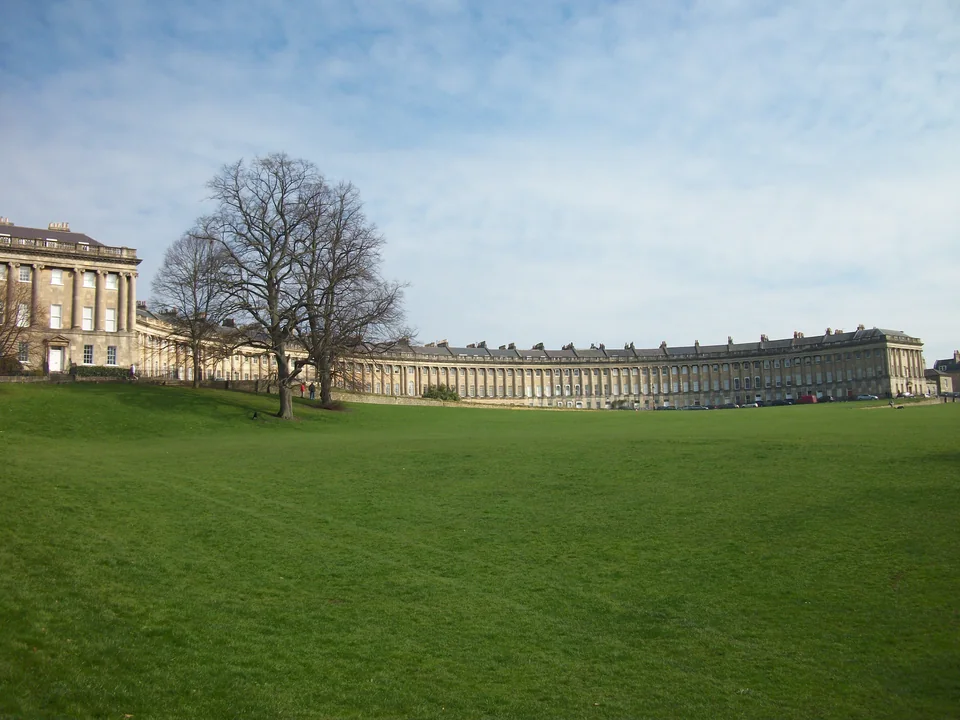
English courses in England: Standard Visitor up to 6 months or Short-term study visa, school accreditation, 2026 prices in London and Bournemouth, housing.
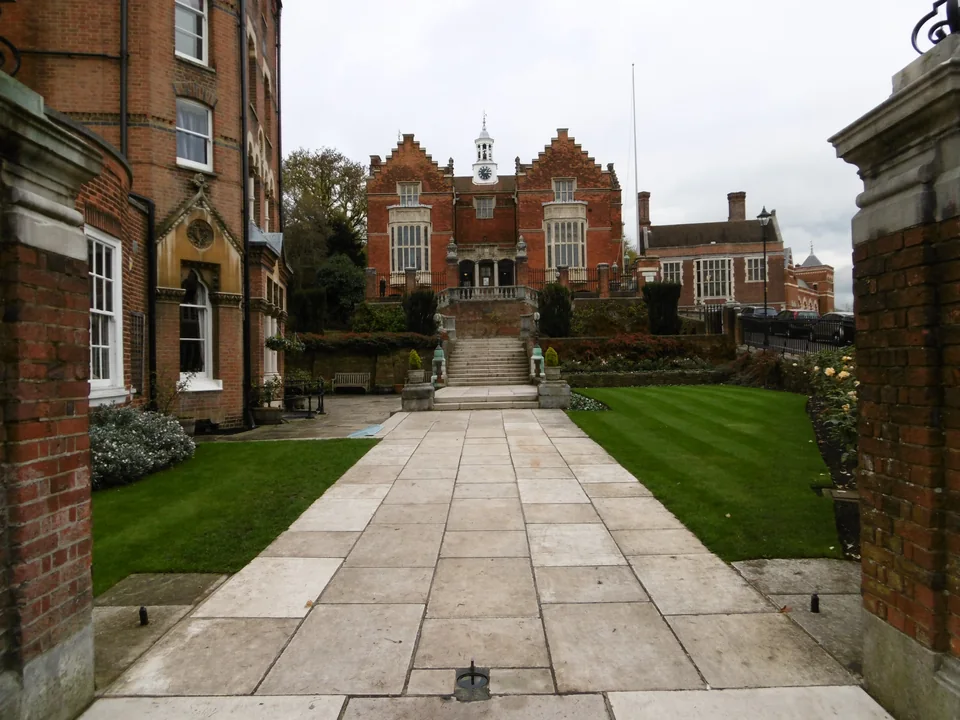
Private schools in England for international pupils: boarding, entry after grade 9, 2026/27 fees with VAT, the Child Student visa, guardians and recognition.
During the free initial consultation, we clarify your goal, profile, timing, and budget and identify the next realistic step. A personal strategy, requirement checks, selection of agreed options, document preparation, applications, and support are provided under an agreement with StudyU.
Write to us
Leave a request — and we'll get in touch.
StudyU is an ICEF Accredited Trusted Agency (#7302). Our consultants are students and graduates of universities in the countries they help you apply to. About StudyU
For your first enquiry, a contact detail and your question are enough. Do not send passport details or document scans through this form. If documents are needed for your application, we will explain why and how to send them. How we process personal data
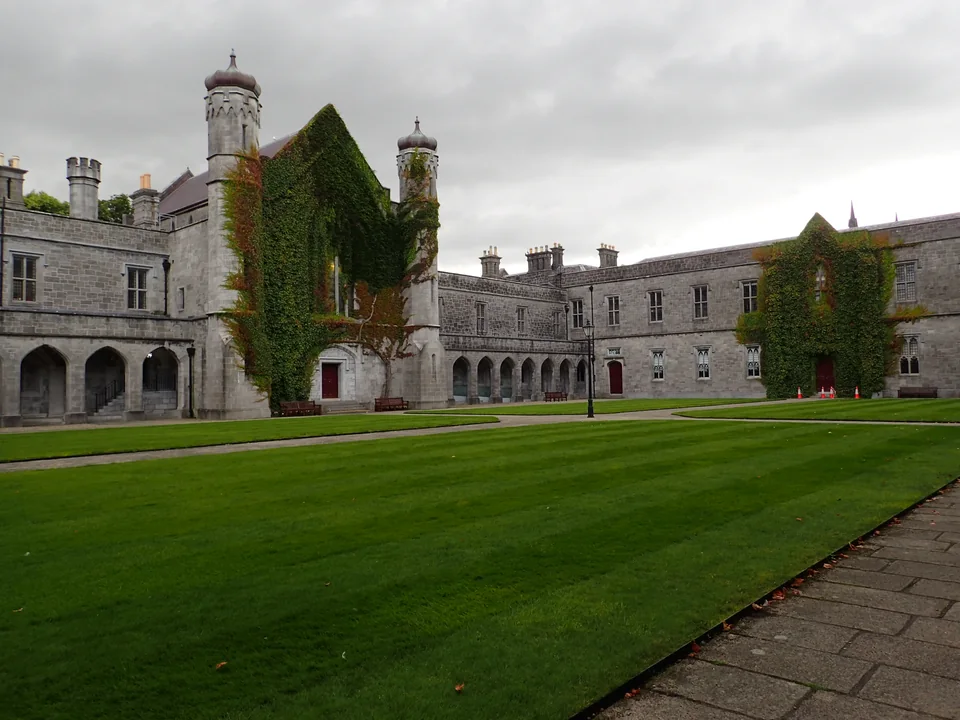
Higher education in Ireland for international students: 3 universities, tuition, requirements and deadlines. University selection and admission help.
Higher education in USA for international students: 3 universities, tuition, requirements and deadlines. University selection and admission help.
Canadian colleges and universities: programme choice, requirements, annual costs in USD and funding plans. PGWP conditions depend on the programme.