
Higher education in Canada at a glance
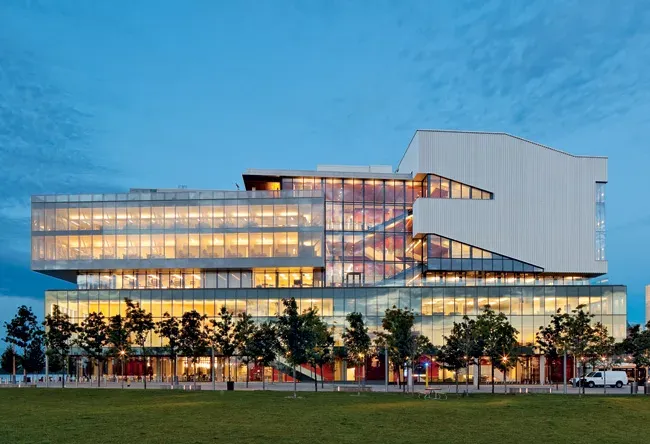
Canada is one of the most international-student-friendly destinations: quality education, safety and clear opportunities to stay and work after graduation. Education is split between colleges (applied programs, diplomas) and universities (bachelor's, master's, PhD).
Many programs include a co-op - a paid work placement at companies during studies, which makes starting a career easier. A PGWP work permit is available after graduation.
Advantages of studying in Canada
- A clear path to a post-graduation work permit (PGWP).
- Co-op programs with paid placements.
- A high level of safety and quality of life.
- Instruction in English or French.
- Globally recognized degrees.
What studying costs
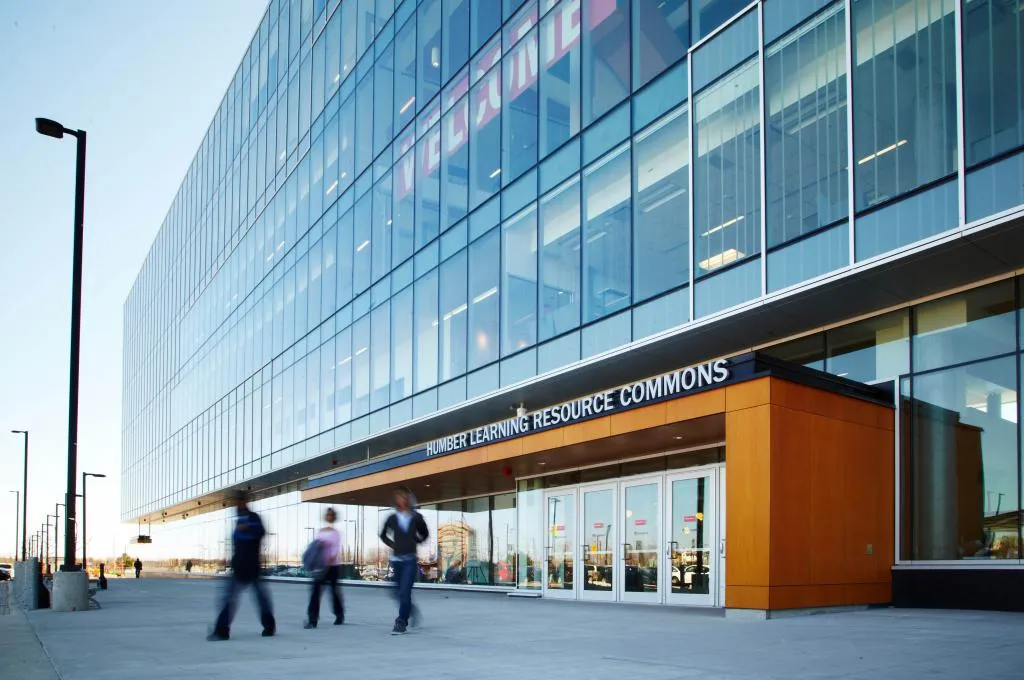
College costs are usually lower than at universities, while colleges provide practical skills and a co-op. Merit-based scholarships are available. The cost of living depends on the city.
During the free initial consultation, we clarify your goal, profile, timing, and budget and identify the next realistic step. A personal strategy, requirement checks, selection of agreed options, document preparation, applications, and support are provided under an agreement with StudyU.
How admission works
Admission is based on your diploma and an IELTS/TOEFL certificate. Colleges are known for clear, fast admission for international students.
We'll help with choosing a program, documents, the co-op and the student visa.
Step by step:
- College or university. Universities grant bachelor's degrees; colleges run two-year applied programs with an Associate credential and transfer routes into partner universities. College is noticeably cheaper.
- Documents. School certificate with translated transcript, IELTS or TOEFL; for bachelor's many universities add an essay and references.
- No preparatory courses. Canada accepts 11-year school certificates directly - one of its biggest advantages.
- Letter of Acceptance → study permit. After admission you apply for the permit with proof of funds for a year of tuition and living.
- Co-op programs. Paid internships built into the curriculum - work experience and partial self-funding before graduation.
- PGWP after graduation. The post-graduation work permit is the main reason Canadian education is called a road to residency.
After 11th grade: direct entry
Canada is one of the few English-speaking countries that takes 11-year school certificates without a preparatory year: you can apply straight after school. Selection rests on grades and language - there are no classic entrance exams. The budget-friendly route starts at a college with a transfer into university: the final diploma is the same, the total cost is far lower. More routes - in our guide.
Master's degrees in Canada
A bachelor's diploma is accepted directly. Master's programs average CAD 20,000-25,000 a year, and this is where funding is easiest to find - research positions and assistantships are common in specialized programs. The same PGWP applies after graduation: up to three years of work in the country.
What studying in Canada costs
| Expense | Budget for |
|---|---|
| Bachelor's | about CAD 18,000 / year on average (range CAD 15,500-49,000) |
| Master's | CAD 20,000-25,000 / year |
| College (Associate + transfer) | noticeably cheaper than university |
| Market benchmark | on average 30% cheaper than the USA and UK |
Canada's formula: a Western degree cheaper than the American one, paid co-op internships along the way, and a clear legal path from student visa to work and residency.
FAQ
Yes, under the PGWP program graduates receive a work permit in Canada - one of the clearest pathways among countries.
It's a paid work placement at companies during studies, built into the program - providing experience and income.
Colleges provide practical skills and co-op and are usually cheaper; universities provide academic degrees. We'll advise what suits you.
In English or French, depending on the province and program.
Yes, 11-year school certificates are accepted directly, no preparatory courses. GPA and a language certificate decide.
The Post-Graduation Work Permit lets graduates work up to three years. Working on a PGWP is the most common path to permanent residency.
Bachelor programs average about CAD 18,000 a year (CAD 15,500-49,000 depending on school and province); master programs CAD 20,000-25,000. On average that is 30% below US prices.
Colleges run cheaper two-year applied programs with an Associate credential and transfer routes into partner universities - no second admission round needed.
Thinking about studying in Canada?
During the free initial consultation, we clarify your goal, profile, timing, and budget and identify the next realistic step.
Universities in Canada
Each comes with a full guide - faculties, prices and requirements. The list will keep growing.
Get a free consultation
During the free initial consultation, we clarify your goal, profile, timing, and budget and identify the next realistic step. A personal strategy, requirement checks, selection of agreed options, document preparation, applications, and support are provided under an agreement with StudyU.
- Clarification of your goal, profile, timing, and budget
- Help with scholarships and university discounts
- Documents, translations and student visa
- A personal consultant from the first message to enrollment
Write to us
Leave a request - and we'll get in touch.
StudyU is ICEF Accredited Trusted Agency #7302. One consistent point of contact with first-hand study-abroad experience. About StudyU
