China has rapidly joined the world's education leaders: its universities are climbing the rankings, especially in engineering, technology and the natural sciences. For international students, the country appeals with generous scholarships, affordable costs and a growing number of English-taught programs.
Education follows a three-tier model (bachelor's, master's, doctorate). Many programs can be studied in English, with Chinese learned alongside.
Advantages of studying in China
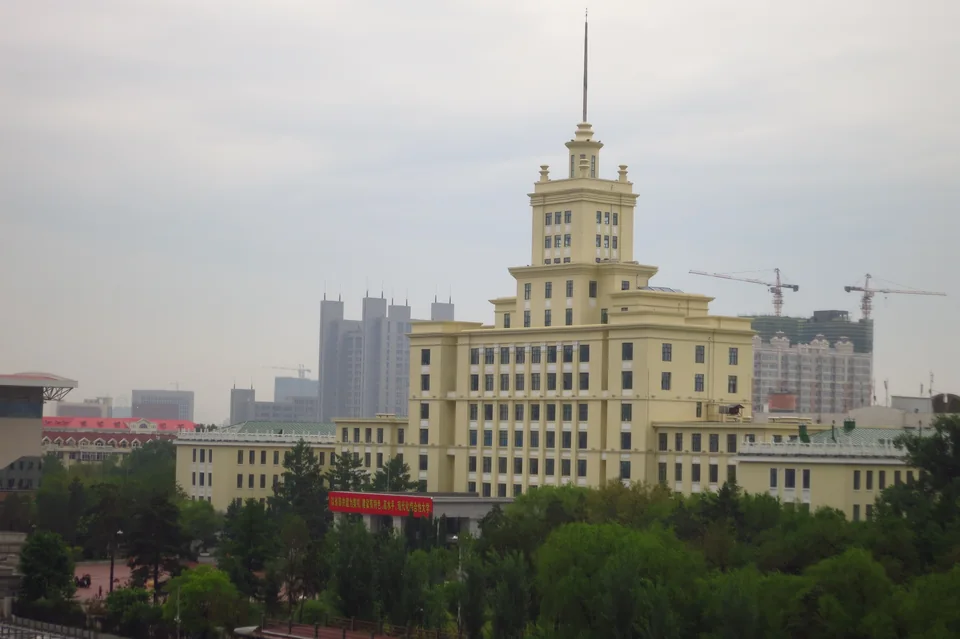
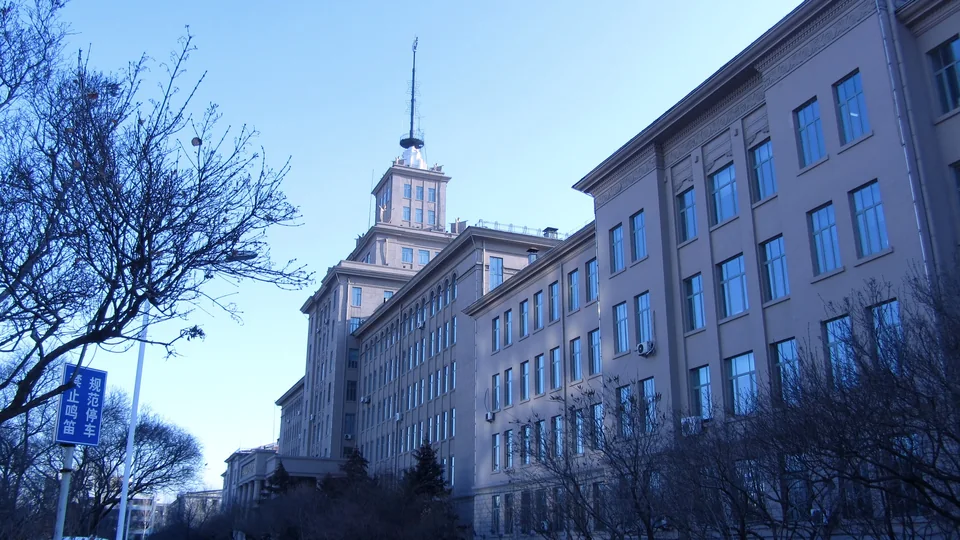
HIT 2026 example: annual tuition about $3,000 in Chinese or $3,900 in English.
Chinese Government (CSC) and university scholarships, each with its own eligibility rules.
Programs in English.
Dormitory housing at HIT: $1,400–$1,800 for 12 months.
China: language and campus change the cost
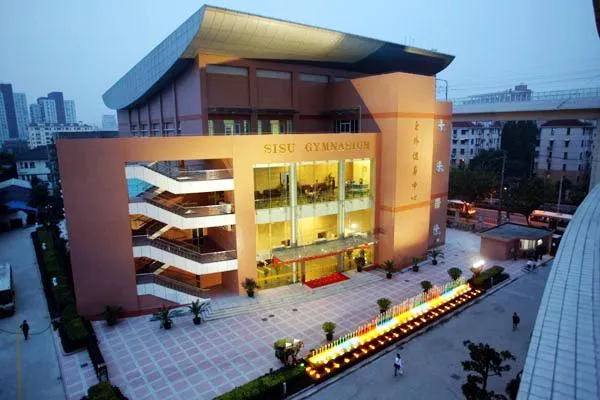
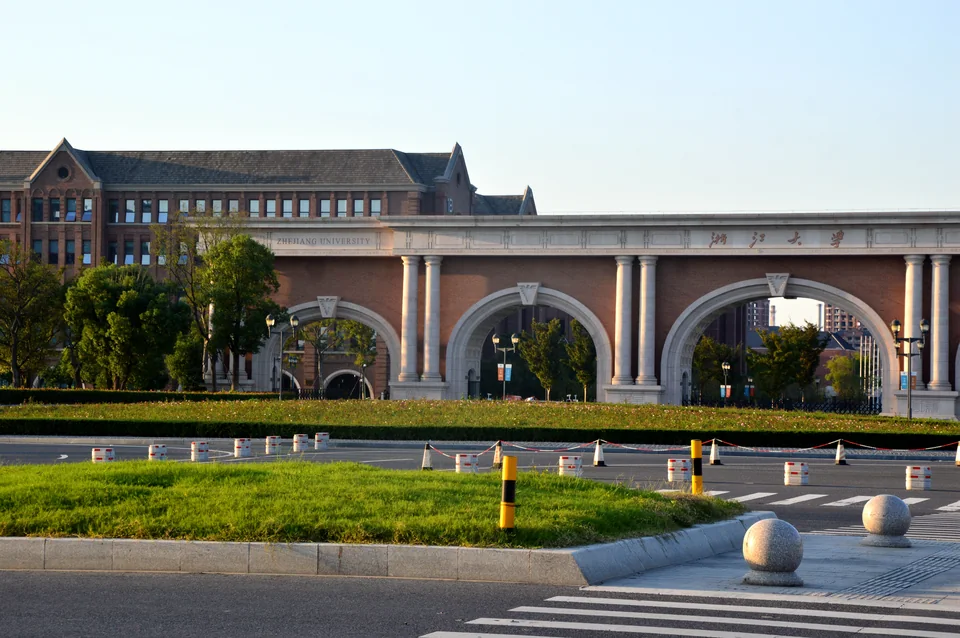
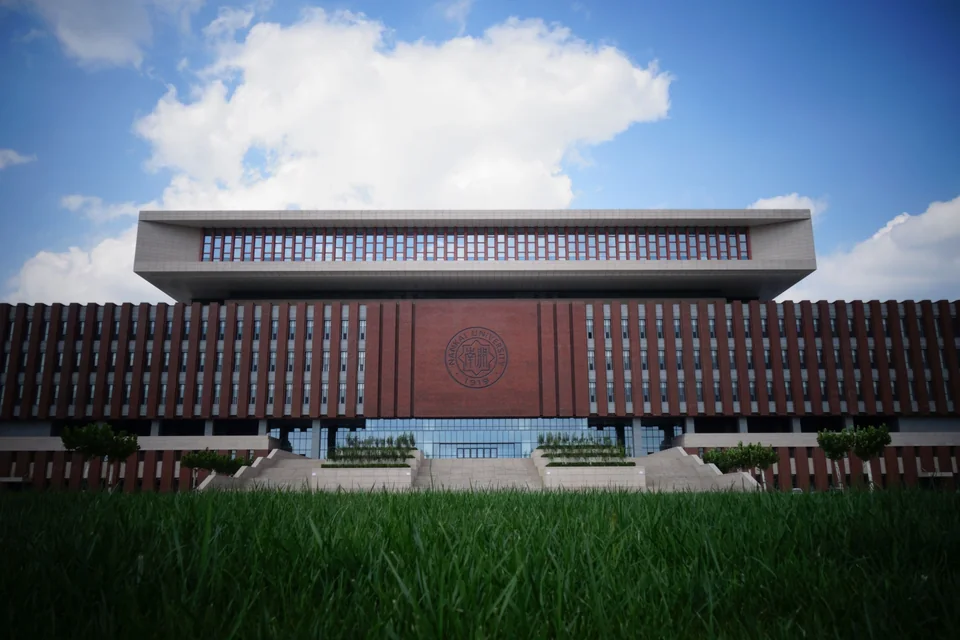
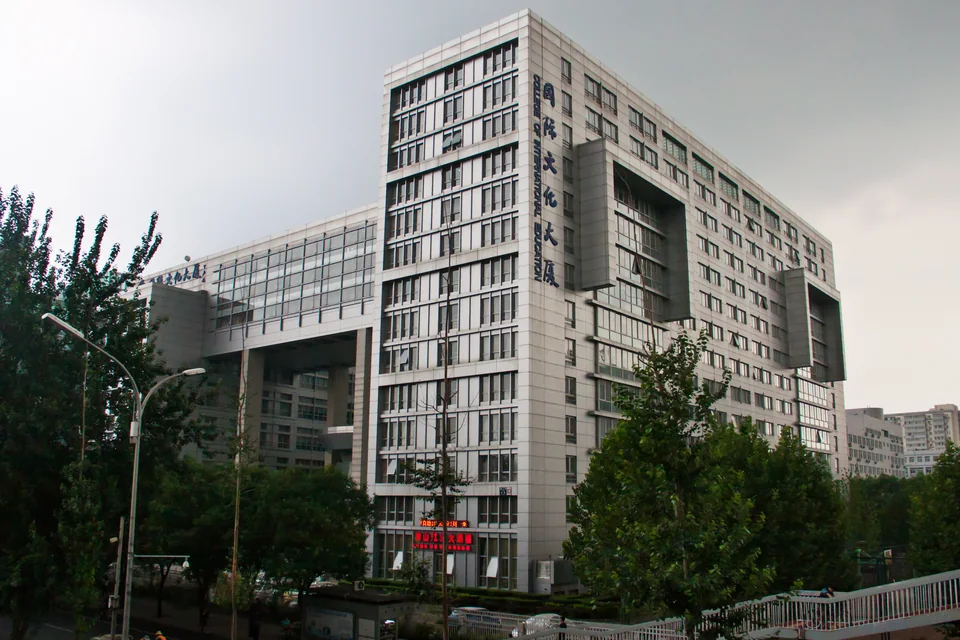
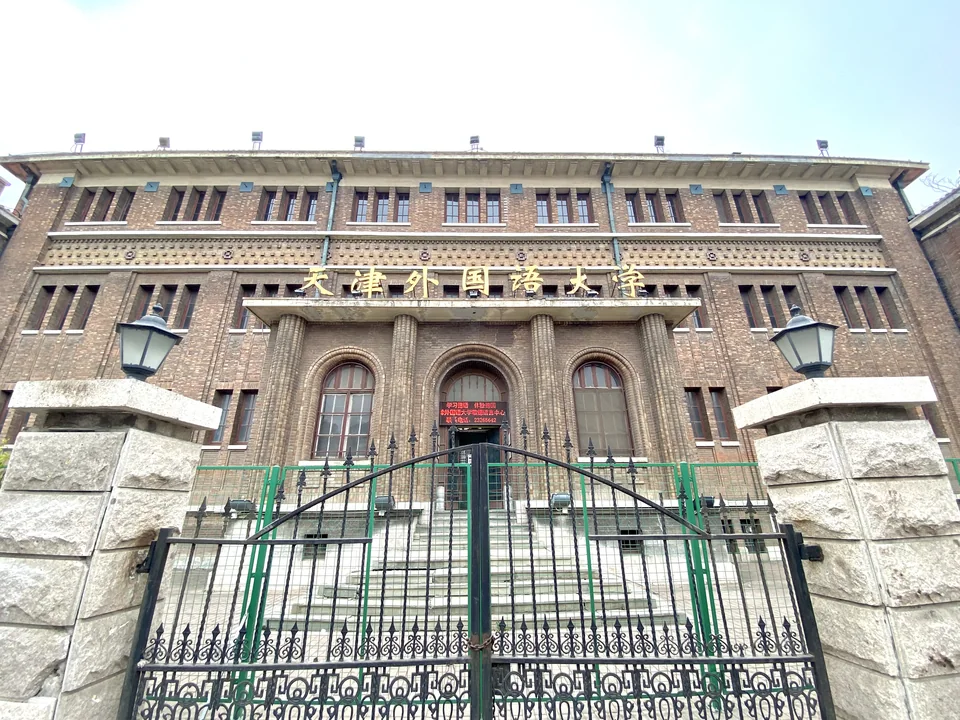
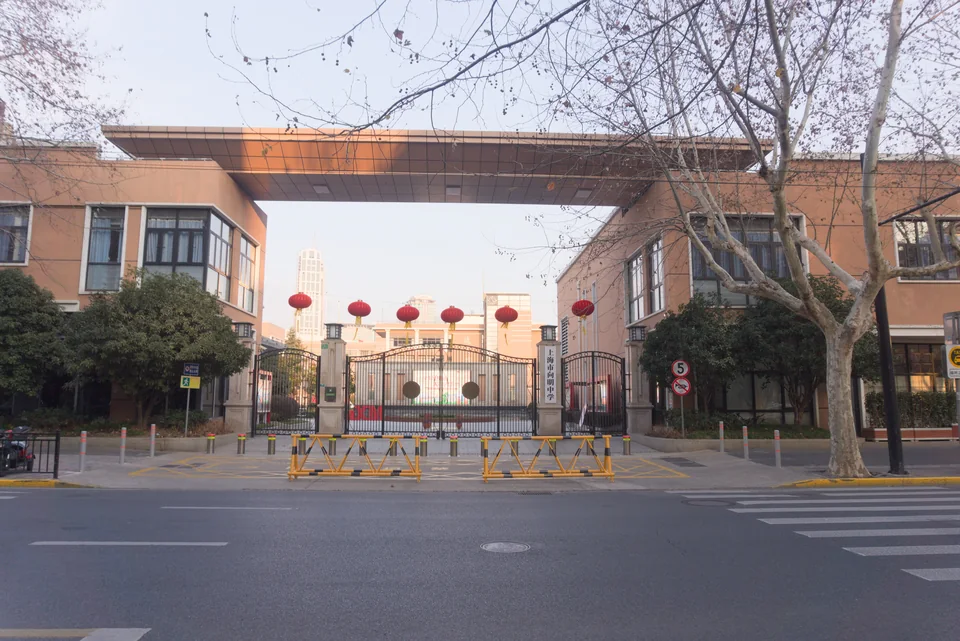
Shanghai International Studies University (SISU) — Shanghai
Harbin Institute of Technology publishes different annual fees for Chinese- and English-taught undergraduate study. This compares routes within one university, not prices for Beijing, Shanghai or the country as a whole.
Scenario
USD
HIT 2026: Chinese-taught bachelor’s, annual
$3,000
HIT 2026: English-taught bachelor’s, annual
$3,900
HIT: dormitory calculated for 12 months, excluding utilities
$1,400–$1,800
HIT’s dormitory price excludes electricity, water and internet. There is no complete living allowance here: calculate food, transport, insurance and personal expenses separately.
Tuition and 12 months of dormitory accommodation alone total about $4,400–$4,800 in Chinese or $5,300–$5,700 in English. This is a partial sum, not a full annual budget. Confirm room availability and the actual residence period.
HIT’s published 2026 intake requires a CSCA result and language evidence for the chosen programme. English-taught groups open only with sufficient enrolment; confirm delivery before payment. A language year does not replace admission requirements. CSC and university awards differ in eligibility and coverage; scholarships are not guaranteed.
If your budget is limited
Compare Chinese- and English-taught programmes including preparation. Lower tuition may not offset an extra year of living. Compare Harbin, Anshan and Shanghai using actual university and housing terms; a budget without a scholarship should remain affordable.
What to prepare next
Prepare grades, the preferred language and language or subject-exam results. Mention whether living outside the largest cities is an option.
Rounded amounts are shown in US dollars for comparison, using ECB reference rates from 2026. The programme and its provider’s terms determine the final fee. Do not add housing or proof of funds a second time to expenses already covered. Check deposits, insurance, immigration charges and other missing categories. StudyU services are paid under an agreement.
How admission works
The free initial consultation clarifies your goal, profile, timing and budget and identifies the next step. Selection of agreed options, requirement checks, document preparation and application support are provided under an agreement with StudyU. The university decides admission, the funding provider decides scholarships, the competent authority decides immigration permission, and the accommodation provider confirms housing.
The step-by-step route:
Choose your teaching language. The selected programme sets its teaching language, required level and accepted certificates. Preparation and degree entry can have different conditions. Check compulsory subjects and placements too; learning a language after arrival does not waive entry requirements.
Scholarship or fee-paying. Decide early whether you will apply for a scholarship or pay fees, because calls and deadlines differ; the scholarships section below compares CSC and other awards.
Documents. Notarized school certificate and transcript, language certificate, the foreigner medical form, a motivation letter; scholarships add recommendation letters.
Timing. Use the current university and scholarship calendars for your intake. Deadlines differ by route; a published prior cohort is not evidence that applications remain open.
X1 visa. After an offer, check immigration requirements for your nationality, status and institution category. The university supplies study documents, but the competent authority issues permission. Allow time for assessment and additional requests; admission does not guarantee permission.
Language year. Check the course fee, duration, language outcome and separate degree-entry conditions. Completing preparation does not guarantee progression.
Admission with an 11-year school certificate
The institution assesses the completed secondary qualification, subjects, language and intake conditions. HIT’s published 2026 rules also require a CSCA result. Confirm eligibility for your specific 11-year certificate with the university; a language year alone does not establish degree admission. More: study-abroad guide.
Scholarships: CSC and beyond
CSC, regional and university scholarships differ by degree level, nationality, language and application route. The specific call sets coverage, deadlines and renewal. Full funding in some competitions does not mean every applicant receives every cost: keep a budget without an award until a written decision.
Master's degrees in China
For master’s admission, the university separately assesses the degree, relevant subjects, grades and language. Duration and fees depend on the programme; an annual undergraduate tariff cannot be applied to a master’s degree. Holding a diploma does not automatically establish admission or a graduate job.
What studying in China costs
Compare matching periods of tuition and living. Account for preparation, vacations and additional semesters separately; do not add housing or proof of funds again to costs already covered.
FAQ
A lower tuition fee does not establish a complete low-cost route. The HIT example excludes food, utilities and several other expenses; preparation can add a year. Compare an affordable scenario without a scholarship before applying.
Above all engineering, technology and the natural sciences.
Some scholarships can cover tuition and specified living costs, but eligibility, selection and award terms apply. Compare the exact coverage with insurance, travel and personal expenses. Do not treat an application as an award or assume that every programme is fully funded.
Off-campus work or an internship requires university approval and an endorsement stating the place and duration in the study residence permit from the competent immigration authority. Without that endorsement, off-campus work is not allowed. Do not rely on unrestricted student work to fund study.
HIT’s 2026 example: annual Chinese-taught tuition is about $3,000 and English-taught tuition $3,900. Dormitory accommodation calculated for 12 months is $1,400–$1,800. Partial subtotals are $4,400–$4,800 or $5,300–$5,700; food, utilities, insurance, transport and other costs are excluded.
During the free initial consultation, we clarify your goal, profile, timing, and budget and identify the next realistic step. A personal strategy, requirement checks, selection of agreed options, document preparation, applications, and support are provided under an agreement with StudyU.
Discuss your study goal and academic profile
Clarify budget, timing and destination constraints
Identify a realistic next step and what to verify before applying
StudyU is an ICEF Accredited Trusted Agency (#7302). Our consultants are students and graduates of universities in the countries they help you apply to. About StudyU
For your first enquiry, a contact detail and your question are enough. Do not send passport details or document scans through this form. If documents are needed for your application, we will explain why and how to send them. How we process personal data