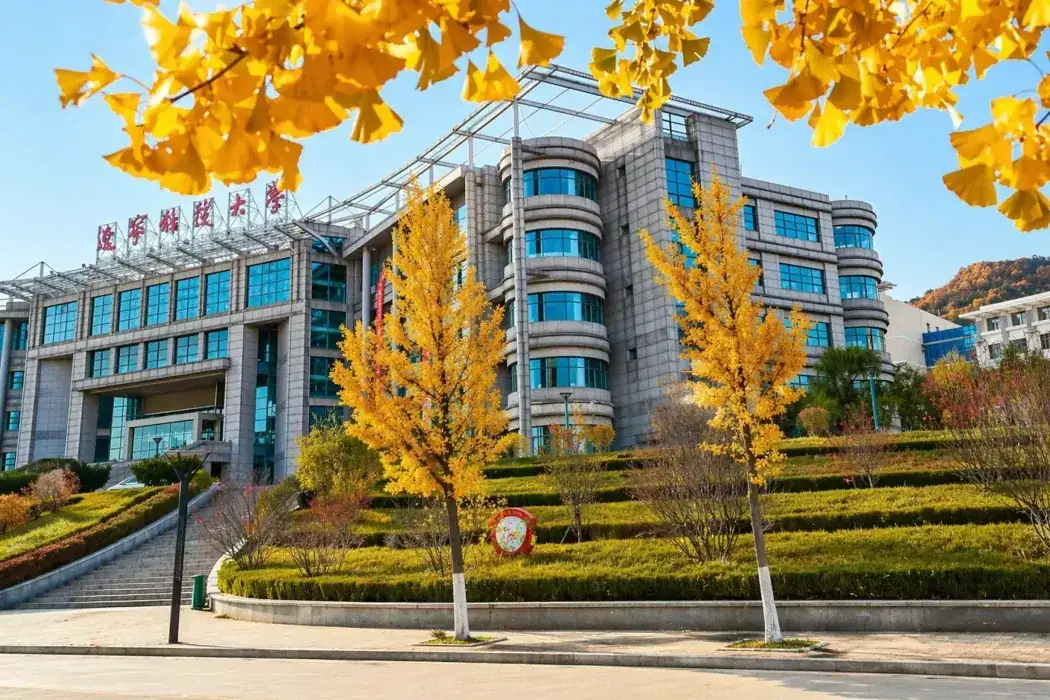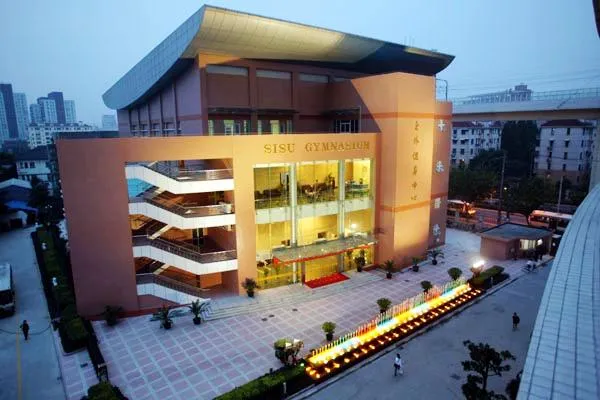
University · China
Shanghai International Studies University (SISU)
- Tuition
- Bachelor's tuition is $3,282–3,700 (¥22,000–24,800) a year.

Harbin Institute of Technology, founded in 1920, is one of China's leading engineering universities, best known for aerospace, mechanical, civil, materials and electronic engineering. International students apply through its College of International Education in Harbin.
Two things change the usual "China is easy" picture. First, every bachelor's applicant must now sit the China Scholastic Competency Assessment (CSCA) and upload the score report. Second, most bachelor's programmes are taught in Chinese, and an English-taught class opens only if at least 20 students enrol.
HIT placed 190th in the QS World University Rankings 2027, inside the global top 200. For engineering applicants the subject strength matters more than the overall position, and HIT's reputation rests on aerospace and heavy engineering research.
The College of International Education is at 92 West Dazhi Street in Harbin's Nangang District. Harbin is the capital of Heilongjiang Province, and its winters are long and severe, which affects clothing budgets and daily routines.
International students live in university accommodation priced per bed, and the college runs orientation, safety guidance and student clubs for newcomers.
| Level | Language | English-taught options | Length |
|---|---|---|---|
| Bachelor's | Chinese by default | Majors marked "Chinese & English" in the annual major list | 4–5 years |
| Master's | Chinese by default | Management, Materials Science, Civil, Mechanical, Electronics and Chemical Engineering | per programme |
| Pre-university and Chinese language | Chinese | Long- and short-term language programmes | semester or year |
If the English class for your major does not reach 20 students, it is cancelled, so keep a Chinese-taught fallback or apply early to see the enrolment picture.
Chinese-taught programmes require HSK 4 with at least 210 points, valid for two years; no English score is needed. English-taught programmes require IELTS Academic 6.0 with no section below 5.5 or TOEFL iBT 80, and no Chinese.
Bachelor's applicants must be under 30 (under 25 for the HIT Scholarship). Master's applicants must be under 35, need two professors' recommendation letters and a CNY 30,000 ($4,475) deposit certificate, and are encouraged to contact a supervisor first.
| Item | Chinese-taught | English-taught |
|---|---|---|
| Bachelor's tuition per year | $2,984 (CNY 20,000) | $3,879 (CNY 26,000) |
| Master's tuition per year | $4,177 (CNY 28,000) | $5,072 (CNY 34,000) |
| Insurance per year | $119 (CNY 800) | |
| Accommodation per month (bed, utilities extra) | $119–149 (CNY 800–1,000) | |
An English-taught bachelor's student living in university housing therefore pays roughly $5,300–5,650 a year for tuition, insurance and a bed, before food, utilities and winter clothing. All fees except accommodation are non-refundable.
The HIT International Students Scholarship waives 100%, 50%, 30% or 20% of tuition. For the 2026 intake its bachelor's window ran from 1 October 2025 to 15 July 2026; if the next cycle mirrors it, the window reopens in October 2026. The Chinese Government Scholarship Type A (bilateral) covers tuition, housing, a monthly stipend and insurance, and applications go through a Chinese embassy or consulate, listing HIT first.
The funding body decides every award. More on funding and life in China: Chinese student visas and English-taught degrees in China.
HIT suits applicants who want a serious engineering education at low tuition and are willing to learn Chinese or sit the CSCA properly. It is less suited to students who need an all-English environment, prefer a coastal megacity, or want to start in less than six months.
Compared with USTL in Anshan, a regional metallurgy-focused university, HIT is more selective and research-intensive and has fully published fees and scholarship tiers.
Major selection, CSCA and HSK planning, the online application and visa-stage support are provided under an agreement with StudyU; HIT decides admission and its scholarship, the CSC or embassy decides government awards, and the Chinese consulate issues the visa.
For the 2026/27 intake: bachelor's $2,984 (CNY 20,000) a year in Chinese or $3,879 (CNY 26,000) in English; master's $4,177 (CNY 28,000) or $5,072 (CNY 34,000).
Yes for bachelor's programmes. All applicants must sit the China Scholastic Competency Assessment in the subjects their major requires and upload the score report.
Some majors are offered in English with IELTS 6.0 or TOEFL iBT 80, but an English bachelor's class runs only with at least 20 students.
HSK 4 with at least 210 points, valid for two years, for Chinese-taught programmes.
The HIT International Students Scholarship waives 100%, 50%, 30% or 20% of tuition; the Chinese Government Scholarship Type A is applied for through a Chinese embassy.
For the September 2026 intake it was 15 July 2026 for bachelor's and 31 May 2026 for master's; expect a similar calendar for 2027 once HIT publishes the new notice.
Major choice, CSCA and language planning, documents and visa-stage support are provided under an agreement with StudyU. HIT decides admission and its scholarship, and the Chinese consulate issues the visa.
Want to study at Harbin Institute of Technology (HIT)?
Other engineering options in China: the regional University of Science and Technology Liaoning; for languages and international studies, SISU in Shanghai. Full list: studying in China.
During the free initial consultation, we clarify your goal, profile, timing, and budget and identify the next realistic step. A personal strategy, requirement checks, selection of agreed options, document preparation, applications, and support are provided under an agreement with StudyU.
Write to us
Leave a request and we'll get in touch.
StudyU is an ICEF Accredited Trusted Agency (#7302). Our consultants are students and graduates of universities in the countries they help you apply to. About StudyU
For your first enquiry, a contact detail and your question are enough. Do not send passport details or document scans through this form. If documents are needed for your application, we will explain why and how to send them. How we process personal data
Compare your options — we'll help you check the requirements and prepare an agreed route.