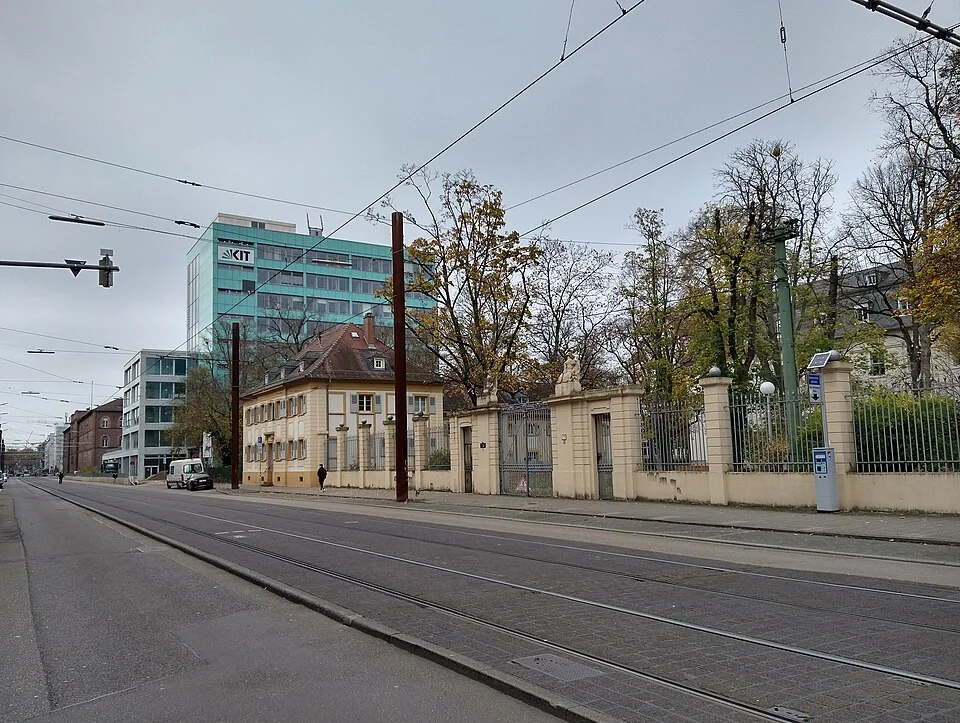
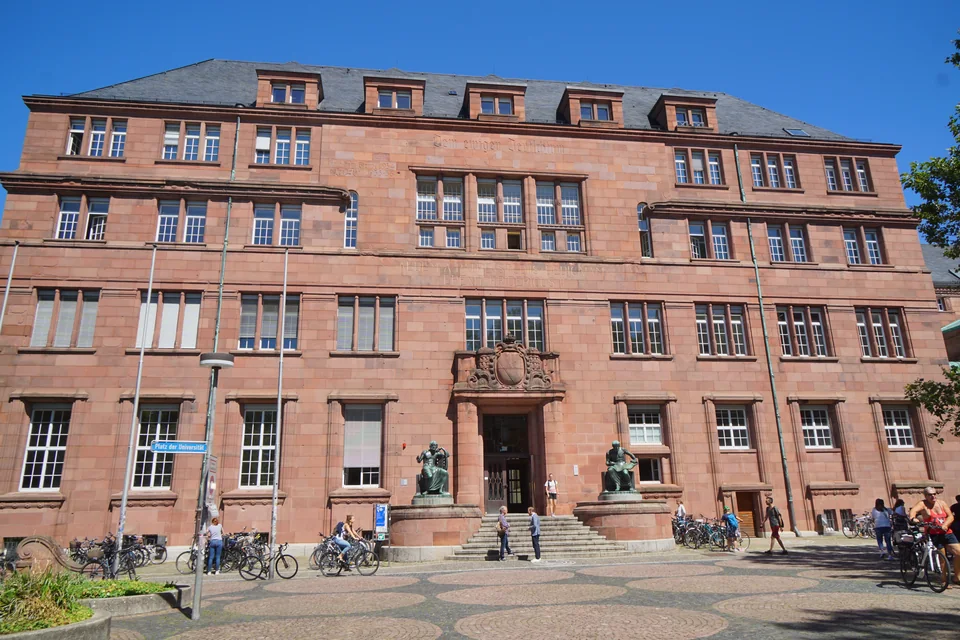
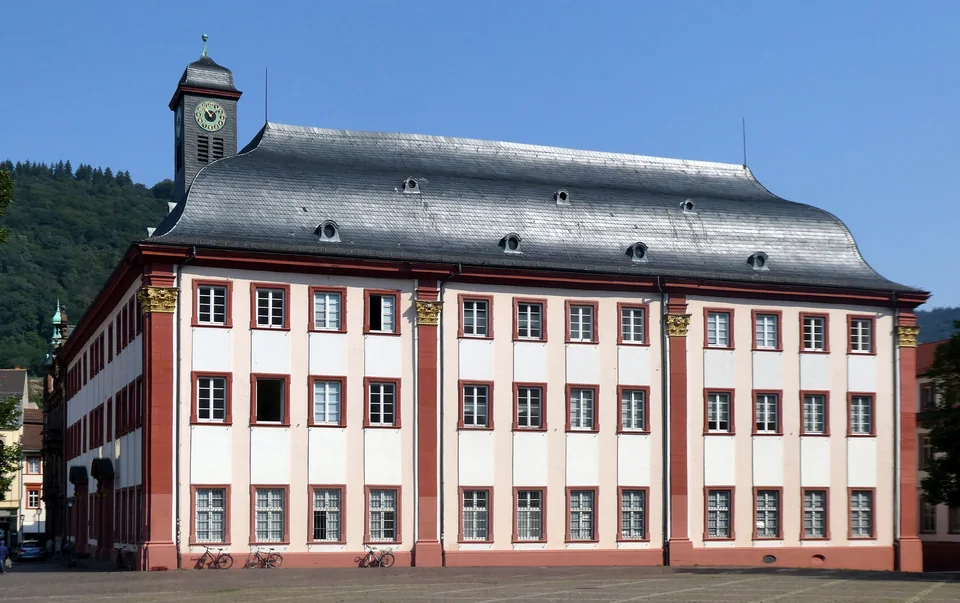
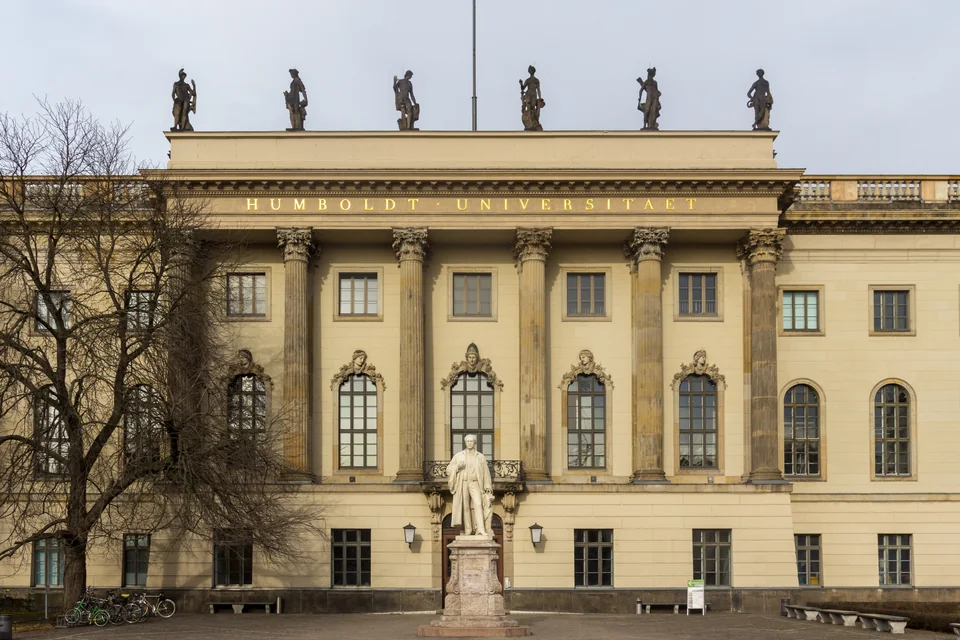
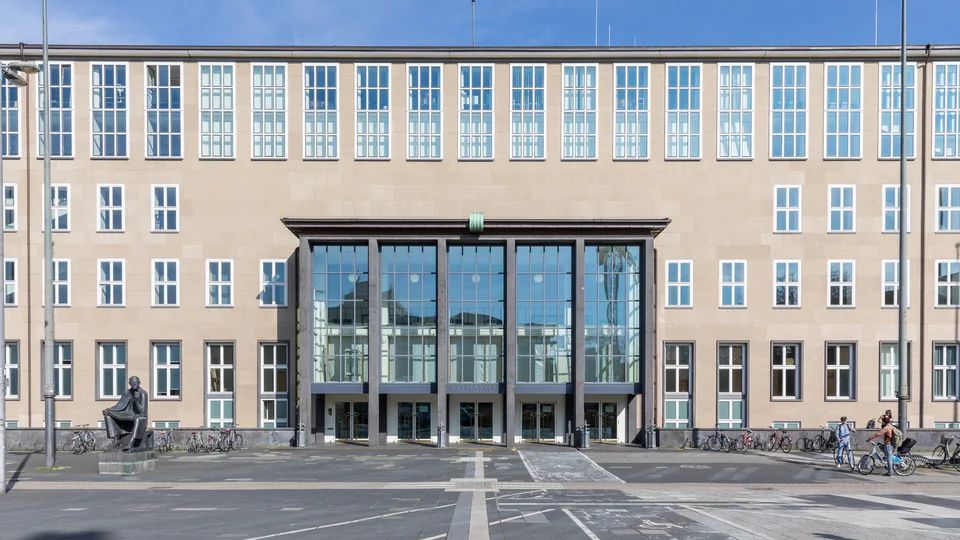
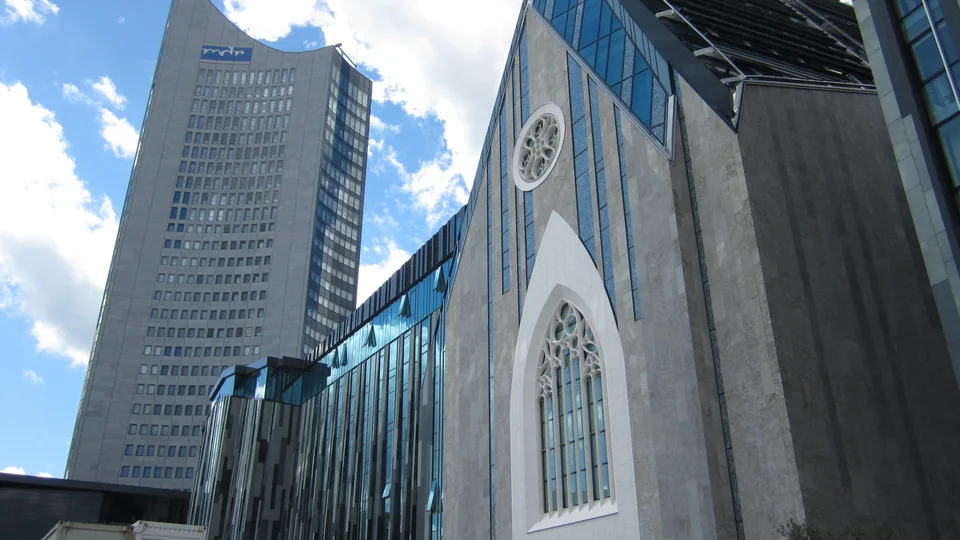
Germany is one of the most attractive destinations in Europe: at most public universities, tuition is free or nearly free even for international students, while the quality of education remains very high — especially in engineering and the exact and natural sciences.
Degrees follow the Bologna system: bachelor's (3–4 years), master's (1–2 years) and doctorate. Many programs, especially master's, are taught in English, so German is not always required.
Advantages of studying in Germany
Many public programmes have no tuition, but semester contributions apply. Some universities and fee categories charge tuition.
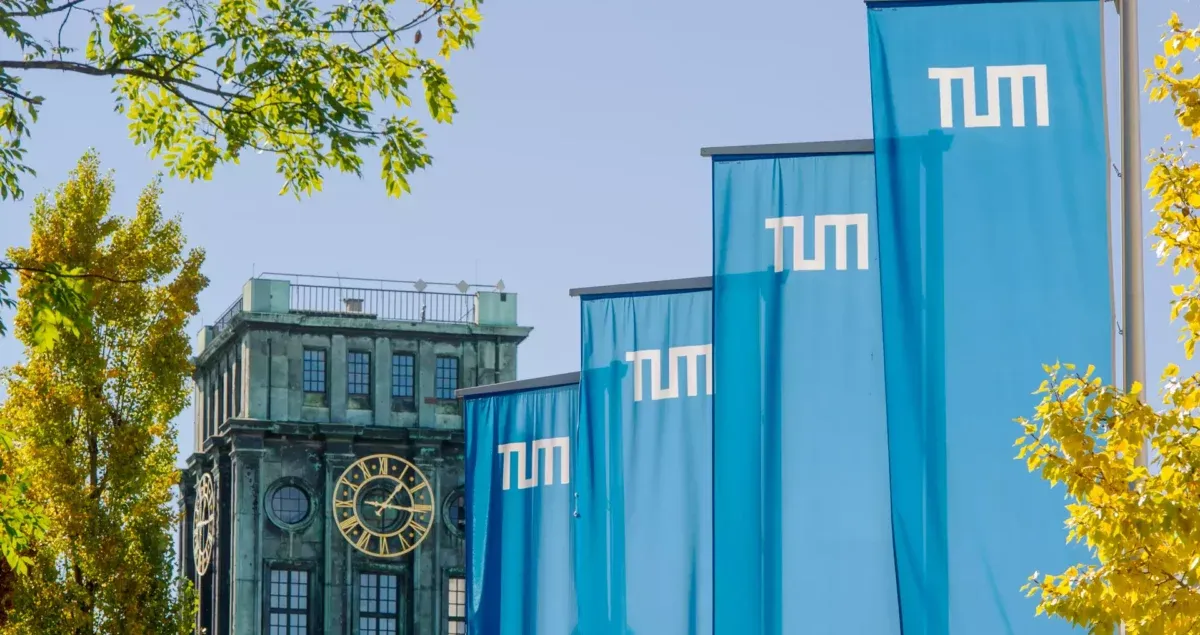
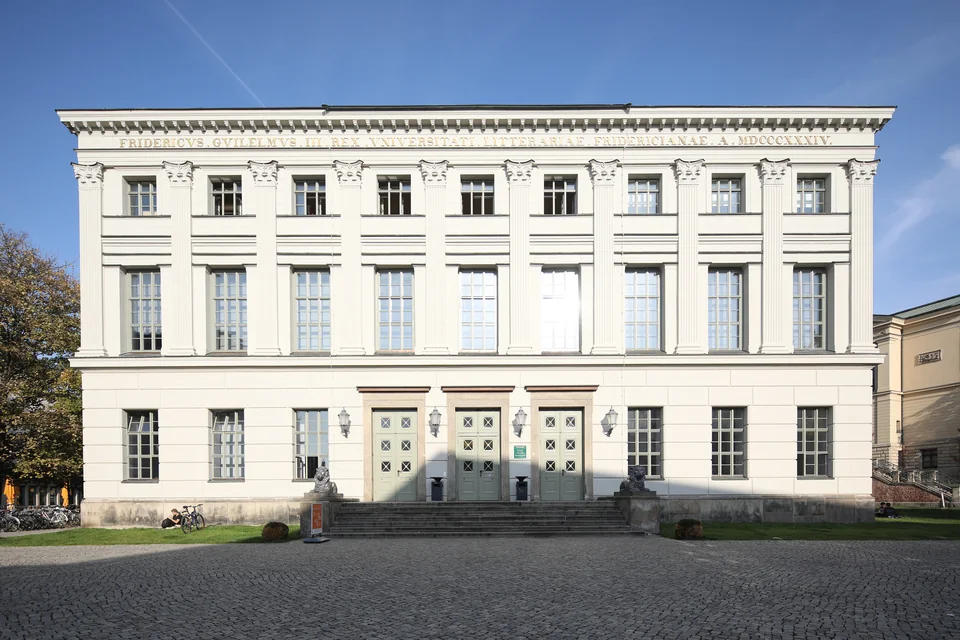
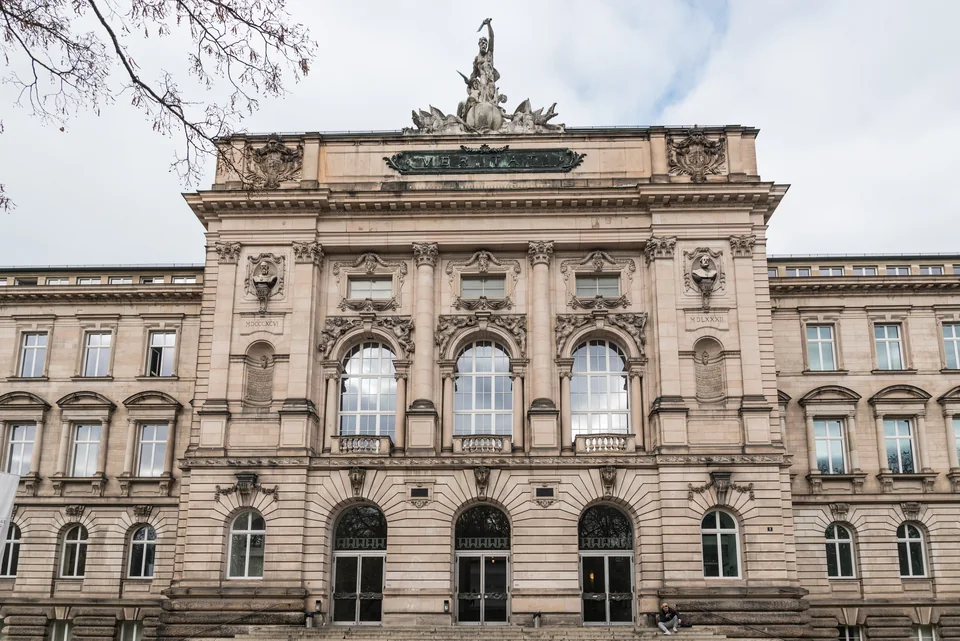
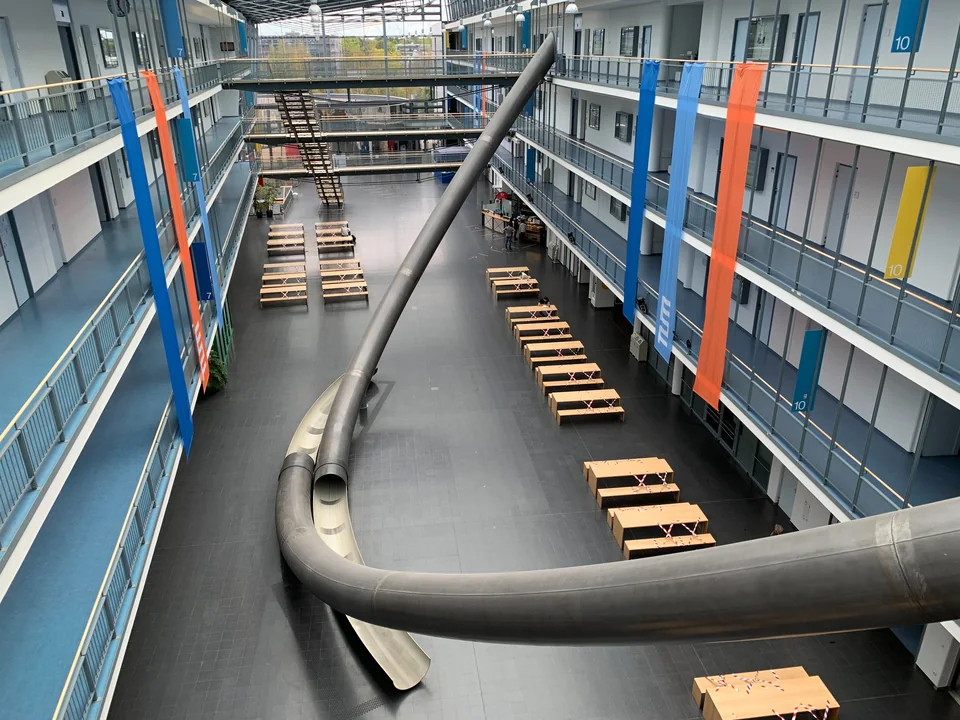
TUM, LMU and RWTH are among Germany’s best-known universities, especially in engineering and science.
Many master's programs are taught in English.
Part-time work during studies and employment after graduation are possible.
A programme without tuition still costs about $12,600–$17,600 a year for living and two semester contributions.
Germany: budgeting for a public programme without tuition
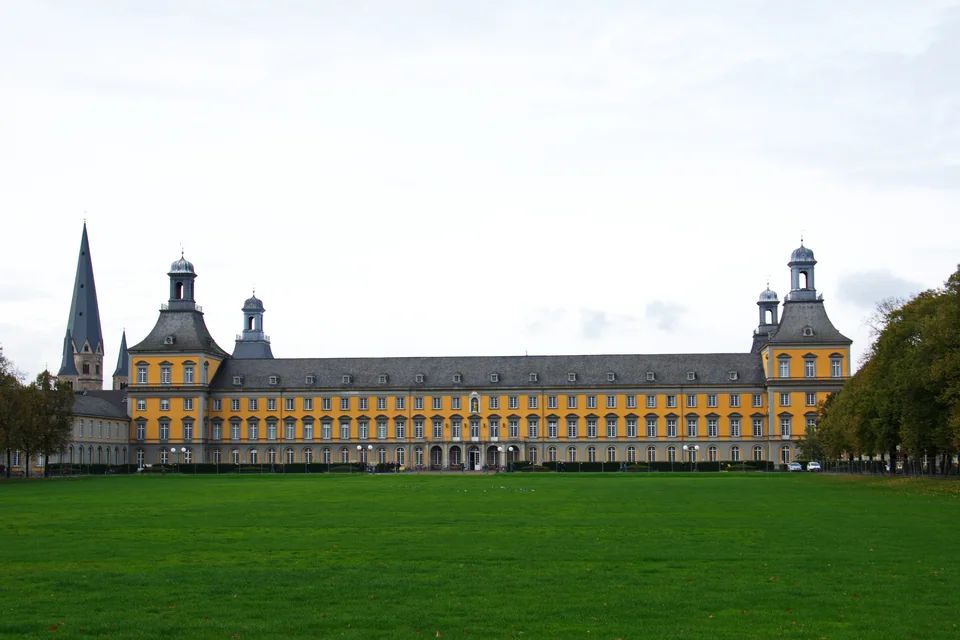
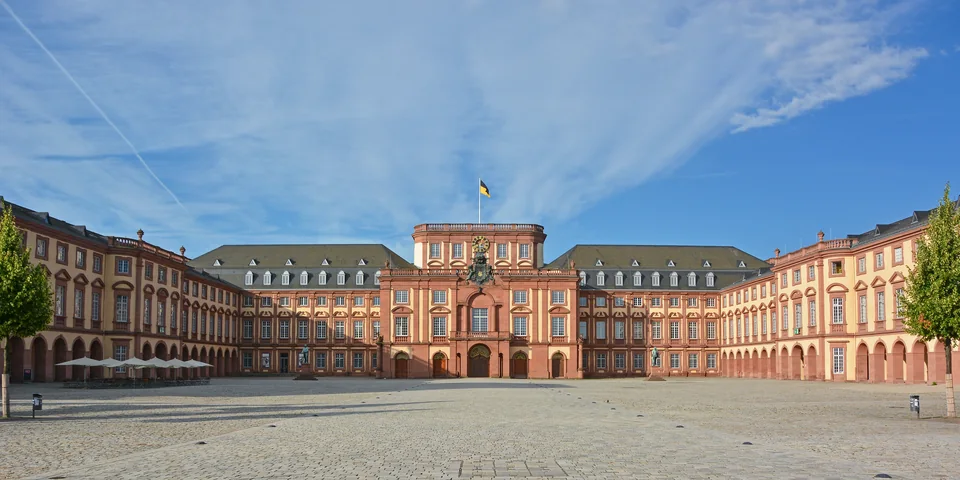
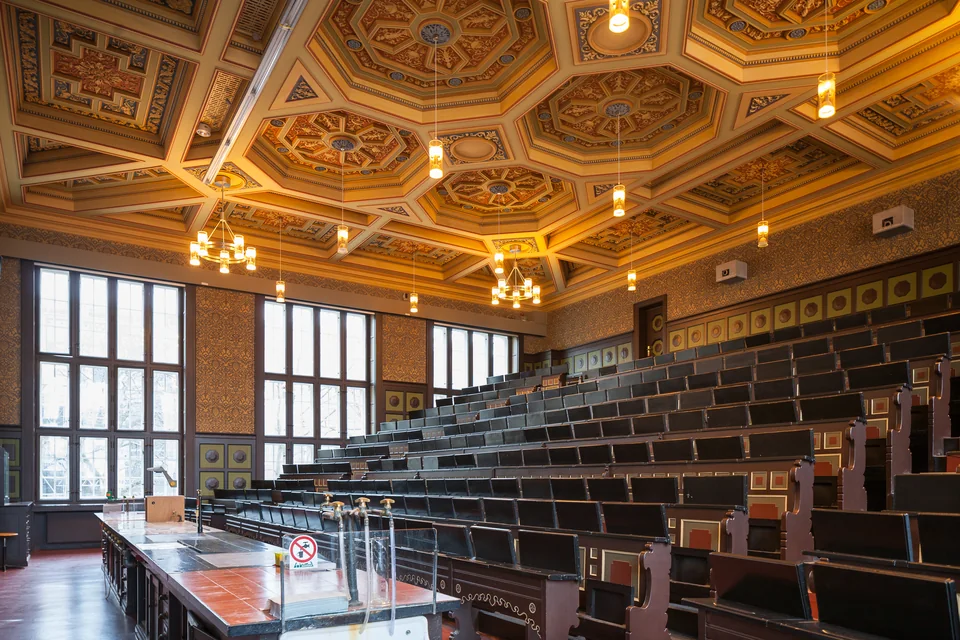
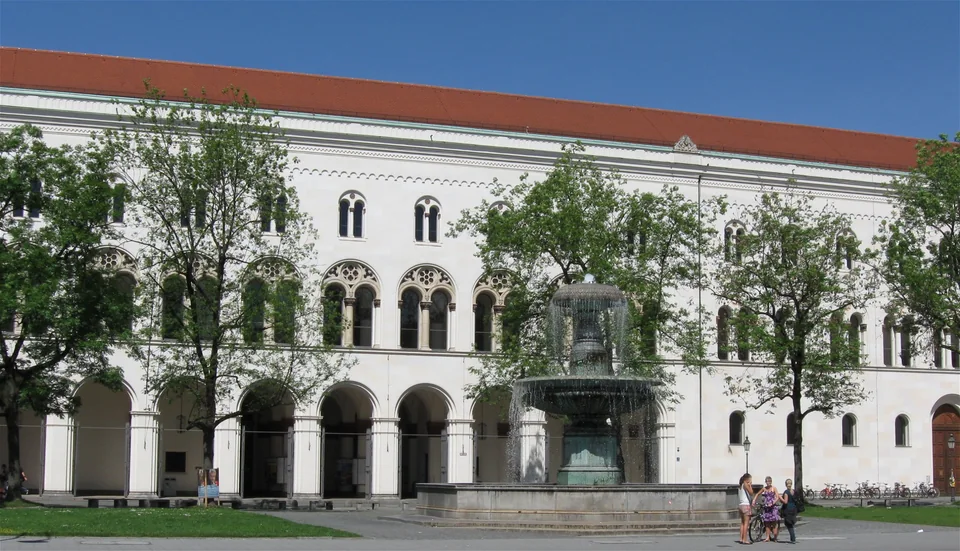
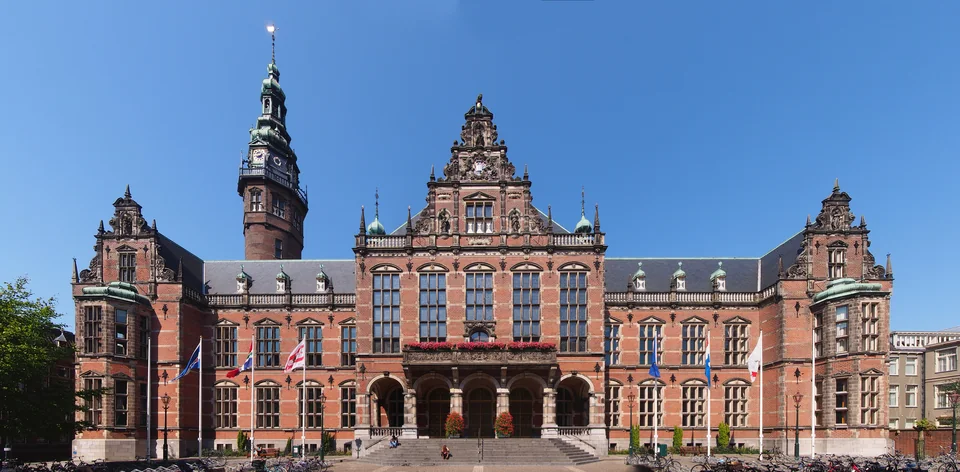
Ludwig Maximilian University of Munich (LMU) — Munich
Programmes without tuition exist, but that depends on the chosen option. Compare semester contributions, living costs and any tuition charged to non-EU students separately.
Scenario
Approximate USD
Mandatory contributions: two semesters using DAAD guidance
$200–$1,000
Living for 12 months using DAAD guidance
$12,500–$16,600
Example additional tuition: Baden-Württemberg, two semesters for the relevant non-EU category
$3,500
The DAAD guide includes housing, food, everyday expenses and health insurance. Munich and other expensive cities may require more; do not add included insurance twice.
For a programme without tuition, living plus two contributions gives an arithmetic guide of about $12,600–$17,600 a year. This is not a visa minimum or an amount sufficient for every city.
Calculate TUM and other institutions charging some international students from the specific programme fee. Preparation and fee-paying master’s courses require their own budgets.
If your budget is limited
Compare public programmes in cities with lower rents, alongside tuition. German proficiency, recognition of qualifications and subject requirements can limit suitable options.
What to prepare next
Name the programme, teaching language and country that issued your qualification. These details make the initial discussion of goals, timing and budget more specific.
Rounded amounts are shown in US dollars for comparison, using ECB reference rates from 2026. The programme and its provider’s terms determine the final fee. Totals are calculated before individual rows are rounded. Count housing and other categories once. Check what the university calculation includes; add only missing expenses and StudyU fees separately. A deposit can require funds before studies start. Do not add proof of funds again to expenses those same funds cover.
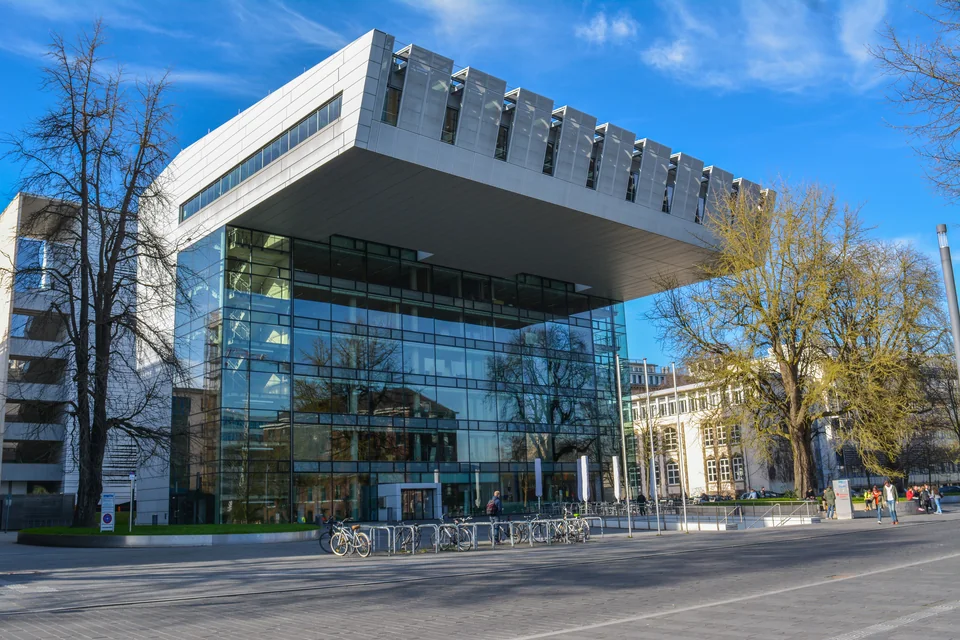
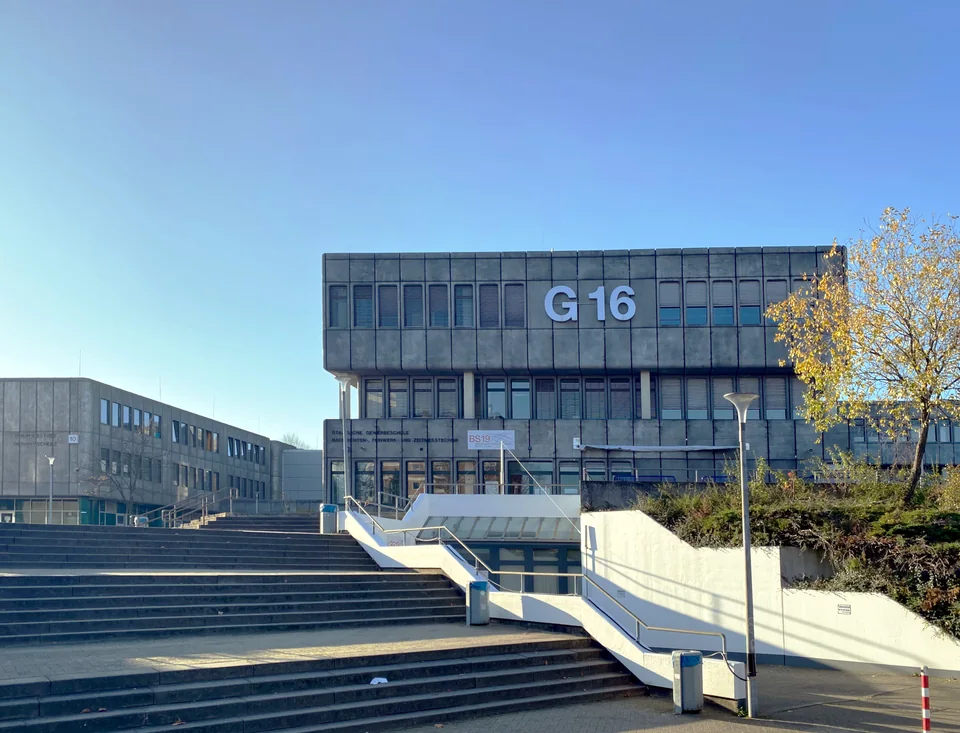
Check the semester contribution and distinguish a regular degree from a fee-paying RWTH Academy programme.
The way in
Admission depends on your school diploma: in some cases CIS school graduates need a preparatory year (Studienkolleg) or one year of university at home. A proven level of German (TestDaF/DSH) or English (for English-taught programs) is required.
Deadlines and requirements vary by state and university. It's best to start the German application early — we'll help with documents, language and the application.
Step by step:
Eligibility. An 11-year certificate alone doesn't qualify: first a Studienkolleg year with the Feststellungsprüfung exam, or 1–2 years of university at home.
Language. German B2-C1 (TestDaF/DSH) for most programs; English-taught bachelor's are rare, master's options are plentiful.
Apply. Via uni-assist or directly; deadlines July 15 (winter) and January 15 (summer).
Financial evidence. Check the current official requirement and accepted evidence for your circumstances. These funds cover living expenses and are not an extra duplicate expense.
Student visa. Interview, insurance, admission or Studienkolleg confirmation.
Applying straight after 11th grade
Germany requires 12–13 years of schooling, so the certificate alone doesn't open bachelor's doors. Two routes: Studienkolleg — a free or low-cost preparatory year with subject tracks (T for tech, W for economics, M for medicine) ending in the Feststellungsprüfung — or 1–2 university years at home. Most students take the Studienkolleg: it's also the best way to push German to academic level. Comparisons — in our study-abroad guide.
Master's degrees in Germany
For a master’s, the university checks the subject content of your bachelor’s degree and your language evidence. English-taught options and tuition conditions vary by programme. Scholarships have separate selection processes and should enter the budget only after an award.
How to check the final budget
Compare the same academic year, fee status and programme duration. Check the tenancy period, compulsory charges and pre-arrival payments. Financial evidence and the living expenses it covers are counted once.
FAQ
For a programme without tuition, living and two mandatory semester contributions give a guide of about $12,600–$17,600 a year. TUM, fee-paying programmes and expensive cities need a different calculation. Financial evidence is not added a second time to living expenses.
For German-taught programs — yes (TestDaF/DSH). But many master's and some bachelor's programs are in English, in which case IELTS/TOEFL is required.
Often yes — CIS school graduates may need a Studienkolleg or one year of university at home for their diploma to be recognized. We'll advise on your case.
Permission to work and its limits depend on nationality, residence status and the current rules. Staying after graduation may require a separate application for an appropriate residence permit; the immigration authority decides. Part-time work and future earnings should not replace confirmed study funding.
Financial evidence depends on the current rules and your circumstances. Check the official requirement before applying. Living funds should not be added a second time to the same expenses; check tuition and relocation separately.
For bachelor's almost always (B2-C1, TestDaF or DSH). Master's programs offer plenty of English-taught options with IELTS/TOEFL.
During the free initial consultation, we clarify your goal, profile, timing, and budget and identify the next realistic step. A personal strategy, requirement checks, selection of agreed options, document preparation, applications, and support are provided under an agreement with StudyU.
Discuss your study goal and academic profile
Clarify budget, timing and destination constraints
Identify a realistic next step and what to verify before applying
StudyU is an ICEF Accredited Trusted Agency (#7302). Our consultants are students and graduates of universities in the countries they help you apply to. About StudyU
For your first enquiry, a contact detail and your question are enough. Do not send passport details or document scans through this form. If documents are needed for your application, we will explain why and how to send them. How we process personal data