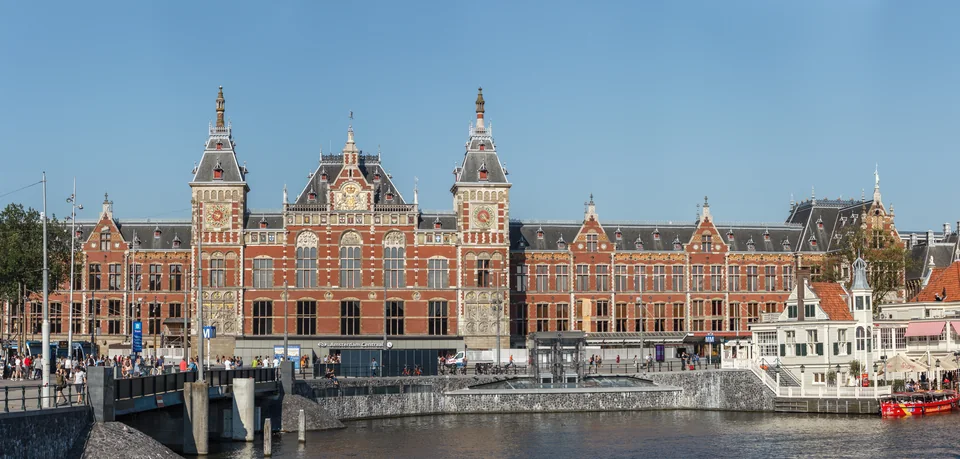
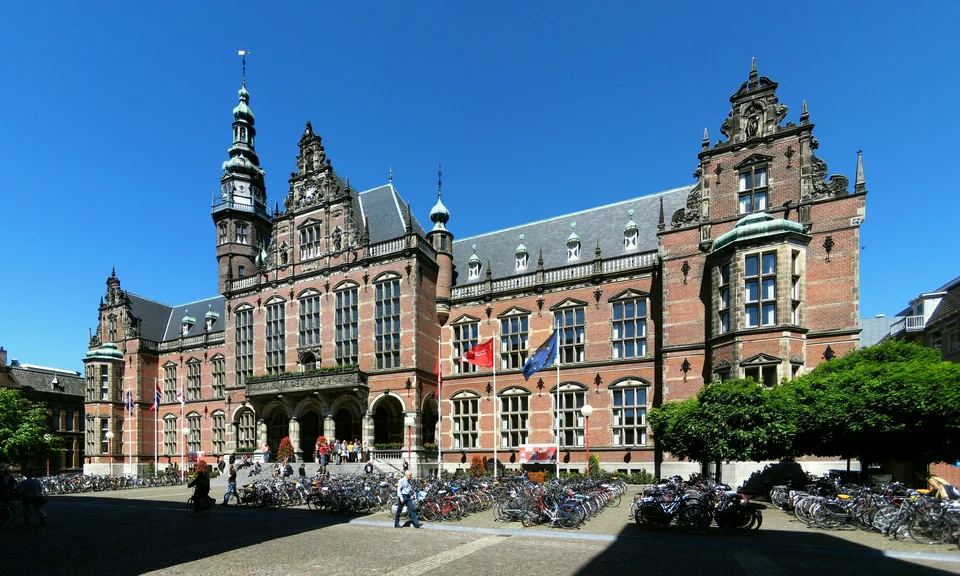
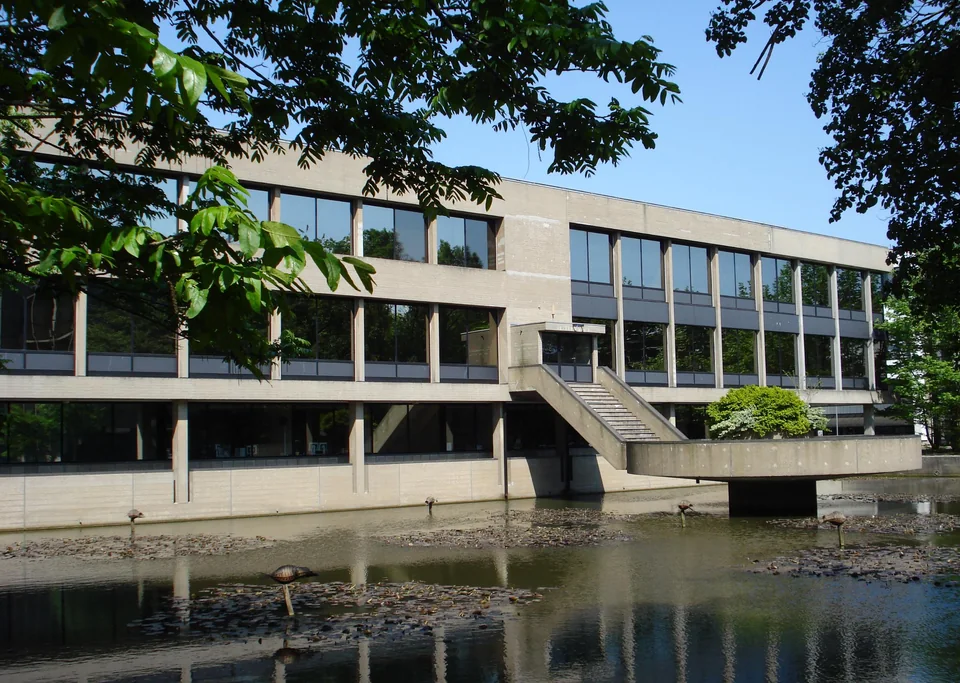
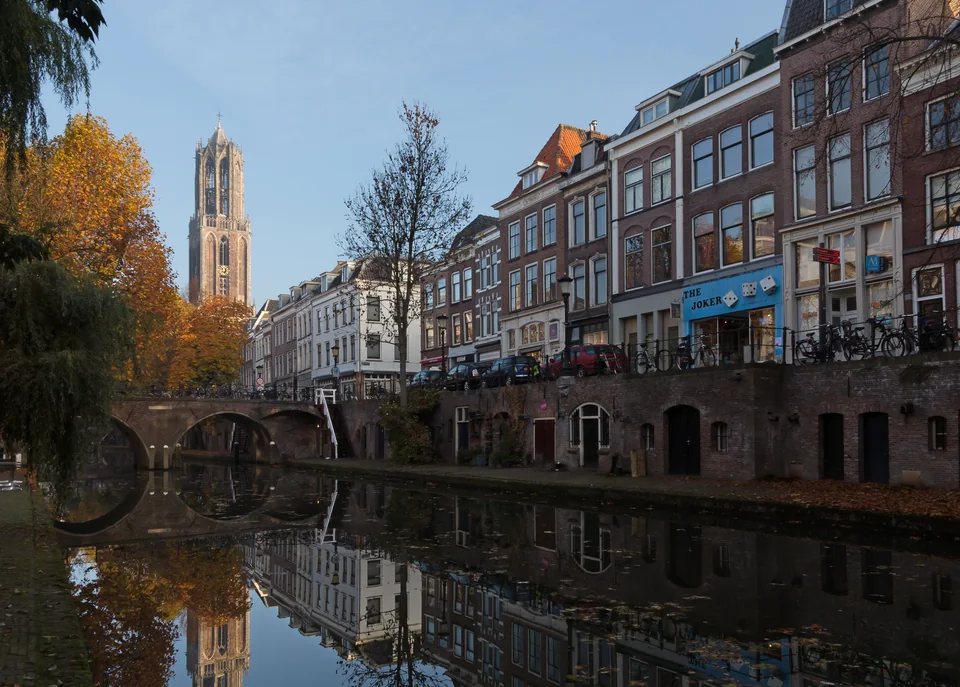
The Netherlands is one of the most English-friendly education markets in continental Europe: there's a huge choice of English-taught programs even at the bachelor's level. Degree recognition depends on the destination and intended use, and the teaching approach is practical and project-oriented.
Institutions are split into research universities and universities of applied sciences (hogeschool), which provide practical skills and internships.
Advantages of studying in the Netherlands
Many English-taught bachelor’s and master’s programmes.
Universities of applied sciences with internships.
Study in NL tuition guide for non-EU/EEA: $10,400–$23,100 a year for a bachelor’s, $13,800–$34,600 for a master’s.
Living guide: about $1,150–$1,730 a month.
Recognition depends on the destination country, qualification and intended use; professional licensing may require a separate process.
Netherlands: compare degree level and your fee category
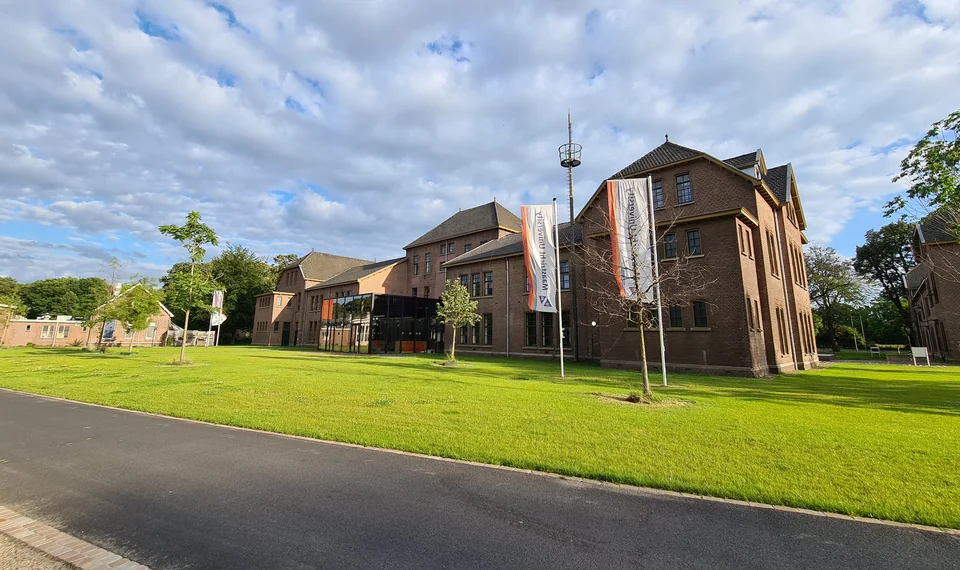
Saxion University of Applied Sciences — Enschede / Deventer
For non-EU/EEA students, start with the programme’s fee rather than assuming a price from its applied or research classification. Housing availability affects the decision before relocation.
Scenario
Approximate USD
Bachelor’s, non-EU/EEA: annual Study in NL guide
$10,400–$23,100
Master’s, non-EU/EEA: annual Study in NL guide
$13,800–$34,600
Living for 12 months, including housing
$13,800–$20,800
The living guide is about $1,150–$1,730 per month. Room costs are already part of it; add only items not covered by your chosen arrangement.
Combining the two guides gives about $24,200–$43,900 for a bachelor’s year and $27,600–$55,400 for a master’s year. Specific programmes, rents and mandatory payments can fall outside these bands.
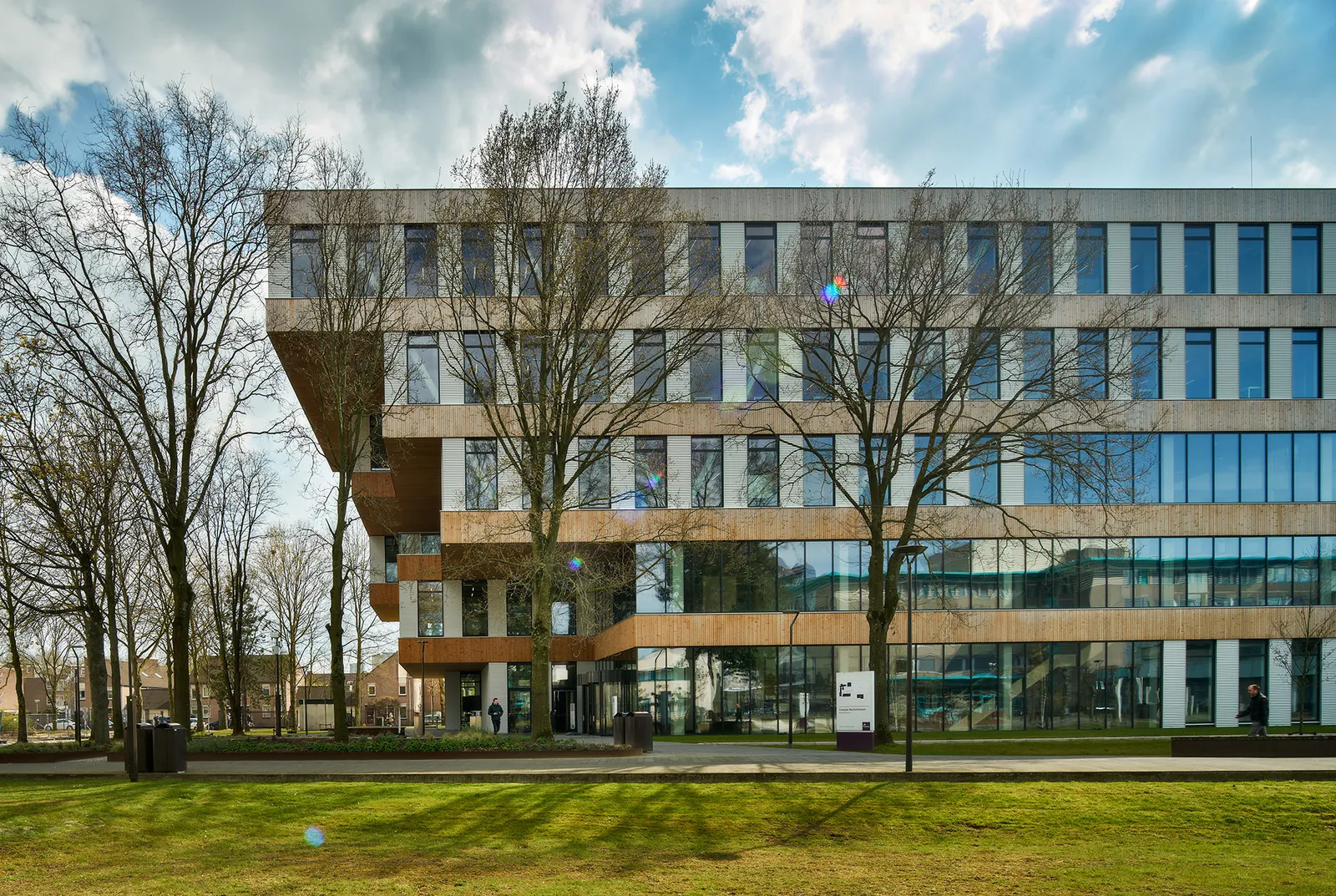
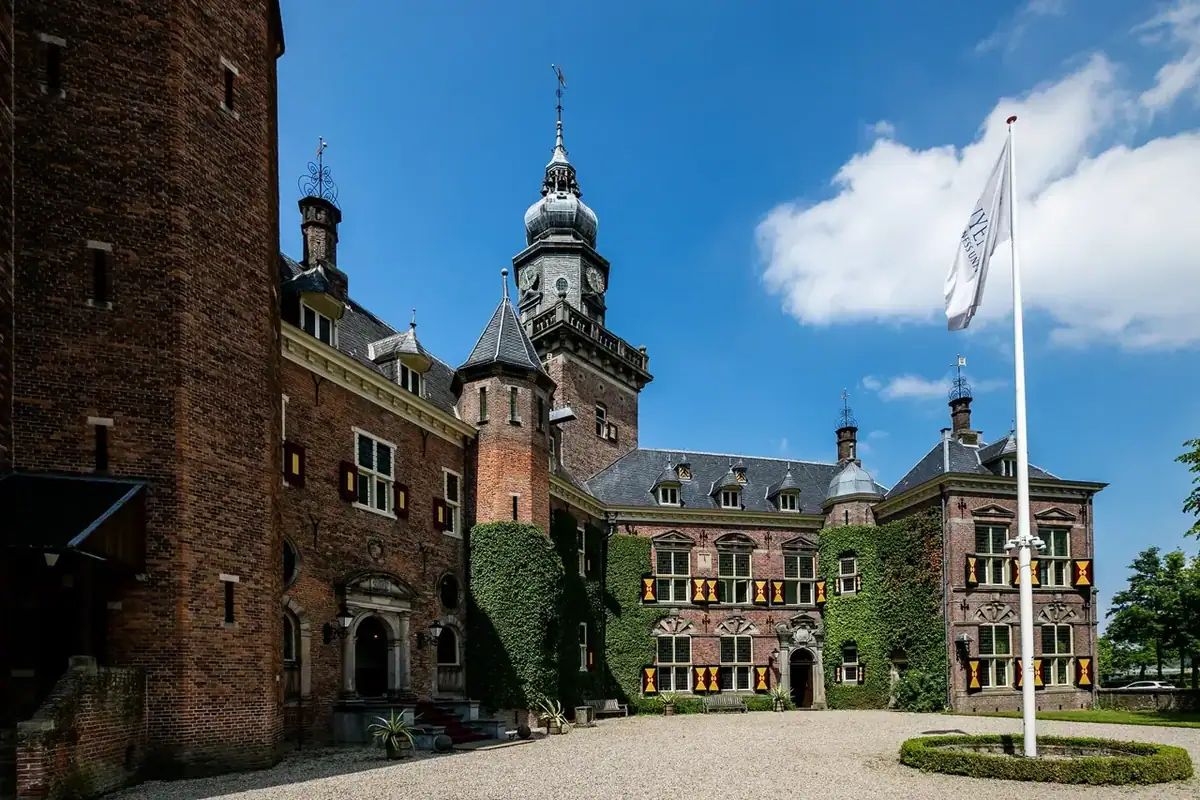
Cost preparation and pre-master courses separately. A national guide does not replace programme fees at Fontys, Saxion or Nyenrode.
If your budget is limited
Compare the same subject across cities and the full degree duration. A shorter master’s can reduce living expenses but does not guarantee a lower total.
What to prepare next
Prepare your qualification, nationality, subject and possible cities. Include both an annual budget and a budget for the full degree in the initial enquiry.
Rounded amounts are shown in US dollars for comparison, using ECB reference rates from 2026. The programme and its provider’s terms determine the final fee. Count housing and other categories once. Check what the university calculation includes; add only missing expenses and StudyU fees separately. A deposit can require funds before studies start. Do not add proof of funds again to expenses those same funds cover.
Steps to enrolment
The university assesses the qualification, relevant subjects and language evidence against the selected programme’s requirements. Check accepted tests, minimum scores, exemptions and any additional selection. A school diploma and an English certificate alone do not establish admission.
StudyU helps compare universities, check scholarship requirements, and prepare application and visa documents; the university and consular authority make the decisions.
Step by step:
Passport check. Check the current visa and residence-permit route for your nationality and country of residence with the host institution and Dutch authorities. Do not assume either a passport-wide refusal or guaranteed approval.
Pick a program. Europe's largest pool of English-taught programs; research universities are more selective, universities of applied sciences more practical.
Check the application route. Many programmes use Studielink, but follow the institution’s own instructions and any additional application steps. Numerus-fixus programmes have an earlier deadline; verify the exact date for your programme and applicant category.
Housing. The scarcest resource — start hunting the moment you get the offer, not the visa.
Applying after 11th grade: qualification checks
Check your qualification and immigration route: the university decides whether your exact school diploma, subjects, grades and language evidence meet the programme requirements. An 11-year certificate does not establish admission by itself. Check the visa and residence-permit process with the host institution and Dutch authorities. Compare options in our study-abroad guide.
Master's degrees in the Netherlands
For a master’s application, the university assesses the prior degree, academic fit and language requirements. Check admission and any pre-master requirement for the selected programme. After graduation, check the separate conditions for the Dutch orientation-year residence permit.
What studying in the Netherlands costs
Expense
Budget for
Bachelor's (non-EU)
$10,400–$23,100 / year (non-EU/EEA guide)
Master's (non-EU)
$13,800–$34,600 / year (non-EU/EEA guide)
Living
$1,150–$1,730 / month, including housing
Housing
the main bottleneck — search from the offer date
FAQ
Yes, the Netherlands is a leader in continental Europe for English-taught programs, including at the bachelor's level.
Universities of applied sciences (hogeschool) provide practical skills and internships; research universities provide academic training.
Check the selected programme’s teaching language, accepted tests, minimum scores and exemptions. English-taught study does not necessarily require Dutch, but IELTS or TOEFL alone does not satisfy every academic or language condition.
Recognition is not automatic throughout the EU. Check the destination country’s academic recognition procedure and, for regulated professions, the separate licensing requirements before choosing a programme.
Check current requirements with the host institution and Dutch authorities for your nationality and country of residence. The host institution starts the student residence-permit procedure; admission does not guarantee immigration approval.
It depends on the exact school qualification and the programme. Nuffic qualification comparisons can guide the assessment, but the university confirms eligibility, required subjects, grades, language evidence and any additional preparation.
For non-EU/EEA applicants, the Study in NL guide is approximately $10,400–$23,100 a year for a bachelor’s and $13,800–$34,600 for a master’s. Living including housing is about $13,800–$20,800 for 12 months. These are planning ranges, not a programme quote.
The orientation year is a separate one-year residence permit for applicants who meet IND’s qualifying education and other requirements. Check eligibility and the application period; graduation alone does not automatically grant the permit or guarantee a job.
During the free initial consultation, we clarify your goal, profile, timing, and budget and identify the next realistic step. A personal strategy, requirement checks, selection of agreed options, document preparation, applications, and support are provided under an agreement with StudyU.
Discuss your study goal and academic profile
Clarify budget, timing and destination constraints
Identify a realistic next step and what to verify before applying
StudyU is an ICEF Accredited Trusted Agency (#7302). Our consultants are students and graduates of universities in the countries they help you apply to. About StudyU
For your first enquiry, a contact detail and your question are enough. Do not send passport details or document scans through this form. If documents are needed for your application, we will explain why and how to send them. How we process personal data