
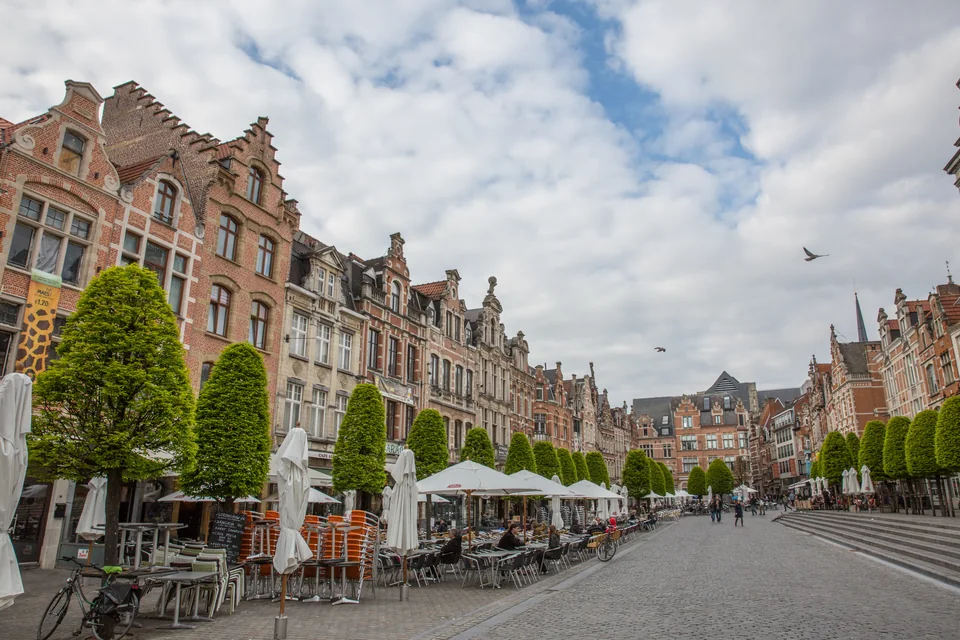
Article
Bachelor's Degree in Belgium for International Students
Bachelor's degree in Belgium for international students: English, Dutch or French routes, school certificate rules, Ghent's Dutch prep year and 2026/27 fees.
Heart of the EU, multilingual environment
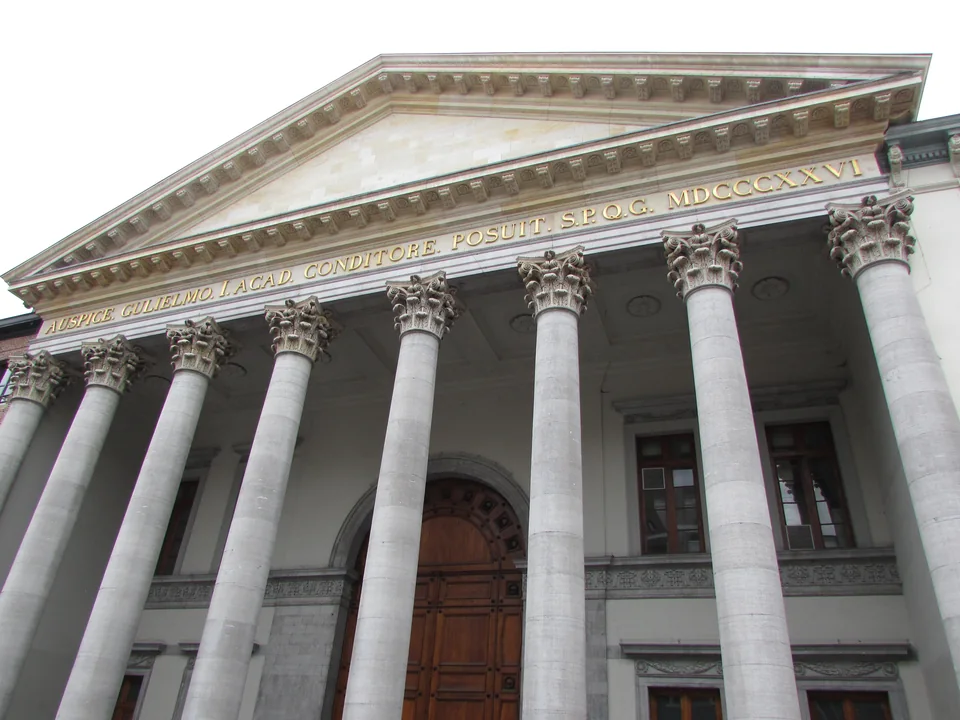
Belgium is the heart of the EU, a multilingual country with affordable, quality education.
The Bologna system; instruction in Dutch, French and English.
Belgium has no single universal tuition fee. In Flanders, student status and programme type matter; French-speaking institutions apply a different fee framework.
| Scenario | Approximate USD |
|---|---|
| Flanders, 2026/27: non-EU/EEA, 60 ECTS per year | $6,100–$13,800 |
| Flanders, Schools of Arts: annual non-EU/EEA guide | $10,200–$28,800 |
| Flanders and Brussels: 12-month living guide from Study in Flanders | $11,100–$13,800 |
The Study in Flanders living guide already includes housing, food, study materials, transport, insurance, communications and personal spending. Do not add these items again; check initial payments and actual tenancy terms.
The general Flanders tuition guide plus 12 months of living gives about $17,200–$27,600. For Schools of Arts, the comparison is $21,300–$42,600. These are planning scenarios; the programme tariff and actual housing can differ.
Do not extend these figures to all French-speaking institutions, MBAs or a preparation year. The institution’s letter should identify the same programme, academic year and fee category.
Compare similar programmes across the two education systems and actual rents. A low EU-student fee is not available to every international applicant.
Name the teaching language, nationality, subject and cities. If an institution has already assessed your fee, keep its letter with the programme details.
Rounded amounts are shown in US dollars for comparison, using ECB reference rates from 2026. The programme and its provider’s terms determine the final fee. Count housing and other categories once. Check what the university calculation includes; add only missing expenses and StudyU fees separately. A deposit can require funds before studies start. Do not add proof of funds again to expenses those same funds cover.
Under an agreement with StudyU, we help you choose the language community and programmes, check entry requirements and deadlines, and prepare translations, the application and visa documents. The university or college decides admission, and the Belgian authorities decide the visa and residence.
Visa and registration requirements depend on nationality, programme and length of stay. Check Belgian Immigration Office rules on admission, funds, insurance and documents before applying. A complete file does not guarantee the decision or processing time; registration and residence formalities may follow arrival.
Belgium runs two systems under one roof: Flemish (Dutch-speaking) and French-speaking. Both follow Bologna — three-year bachelor's, one-two-year master's. English is widespread at master's level and selective at bachelor's; Dutch- or French-taught programs ask for B2. Public universities are subsidised, so international fees stay moderate by Western European standards while quality ranks consistently high.
Brussels offers the EU-institutions environment and internships; Leuven, Ghent and Antwerp are classic university cities; Liège and Mons are cheaper French-speaking centres. The student room (kot) is the main cost — book from spring. Trains cross the country in about an hour, so living in a cheaper neighbouring city is a working strategy. The classic mistakes: applying to the wrong community's system (deadlines and languages differ), booking housing late, and underestimating the proof-of-funds format. Applications run winter-spring for September; popular master's close by March-April. A Belgian degree reads well across the EU, and a Brussels internship is a strong CV line while you are still a student.
Which community does the program belong to, and in which language do classes actually run? Which proof-of-funds format does the university accept — blocked account or guarantor? What are my exact program deadlines (popular master's close March-April)? How do I queue for a student kot? We collect these answers before the dossier — they define the entire calendar.
Belgium fits those who want subsidised Western European quality at a moderate price, an English-taught master's or a French/Dutch bachelor's, plus internships around the EU institutions. Moderate budget, serious paperwork, high payoff. Selection of agreed community and programme options is provided under an agreement with StudyU.
Two systems — Flemish (Dutch/English) and Walloon (French). Public universities charge non-EU students moderate fees; top KU Leuven and UGent programs run in English. Admission is document-based, with entrance tests on some programs.
Master’s admission separately assesses the degree, previous curriculum and language. More: study-abroad guide.
Compare the same intake, study load and accommodation period. Do not add housing or financial evidence again to expenses already covered. Preparation and extra semesters need separate calculations; StudyU services are accounted for under the agreement.
Requirements depend on the language community, university and qualification. The institution checks access to the programme; recognition of the school certificate, additional subjects or exams may be needed.
For non-EU/EEA students in Flanders, the 2026/27 guide for 60 ECTS is $6,100–$13,800, or $10,200–$28,800 at Schools of Arts. Twelve months of living is about $11,100–$13,800, including housing. These bands do not describe every Belgian programme; check the community, status and institutional tariff.
Dutch in Flanders, French in Wallonia; master's offers wide English options including KU Leuven.
Belgium offers distinct language communities, research universities and applied institutions. Brussels also has a concentration of European organisations. Choose by curriculum, teaching language and entry rules; an internship or a low fee is not assured by the destination alone.
Bachelor's degree in Belgium for international students: English, Dutch or French routes, school certificate rules, Ghent's Dutch prep year and 2026/27 fees.
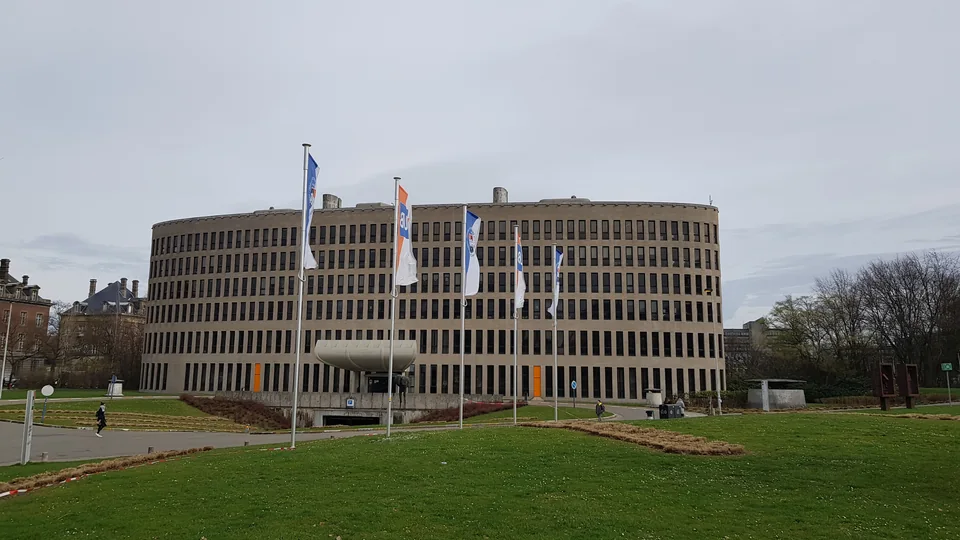
Master's in Belgium: English-taught programmes, degree and language requirements, documents, deadlines, 2026/27 fees and scholarships for CIS students.
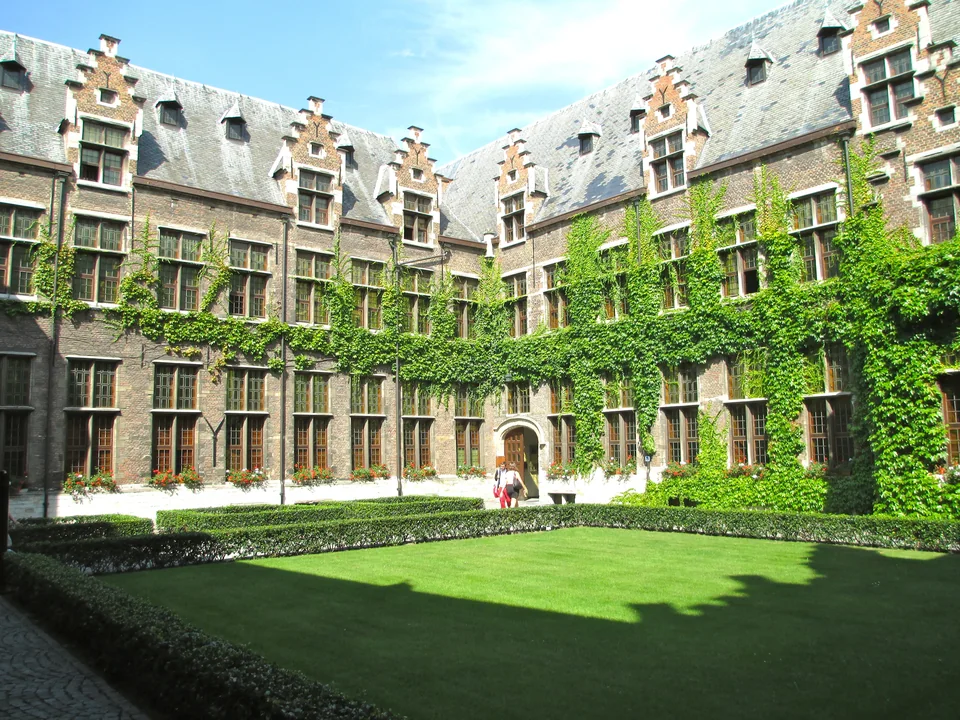
How to apply to a Belgian university: certificate equivalence, country rules, language tests, documents, the 2027/28 application calendar and common mistakes.
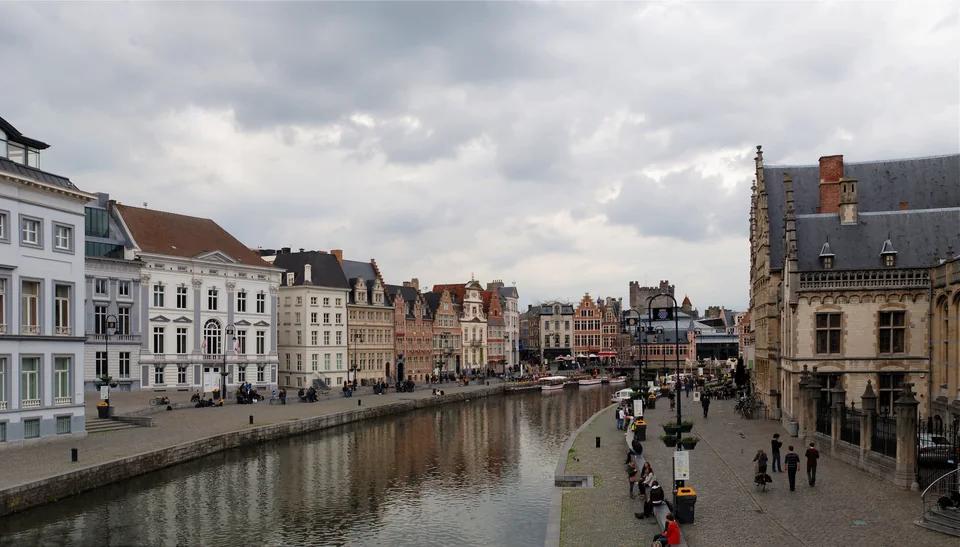
What studying in Belgium costs non-EU students: 2026/27 university fees, living costs, visa fees, proof of funds, scholarships and first-year budget examples.
Belgian D visa for studies: where to apply, documents, $1,210 (€1,062) monthly proof of funds, fees from 1 July 2026, registration and A card.
All 10 Belgian universities compared: Flemish vs French-speaking systems, English-taught options, 2026/27 non-EU fees and how to choose.
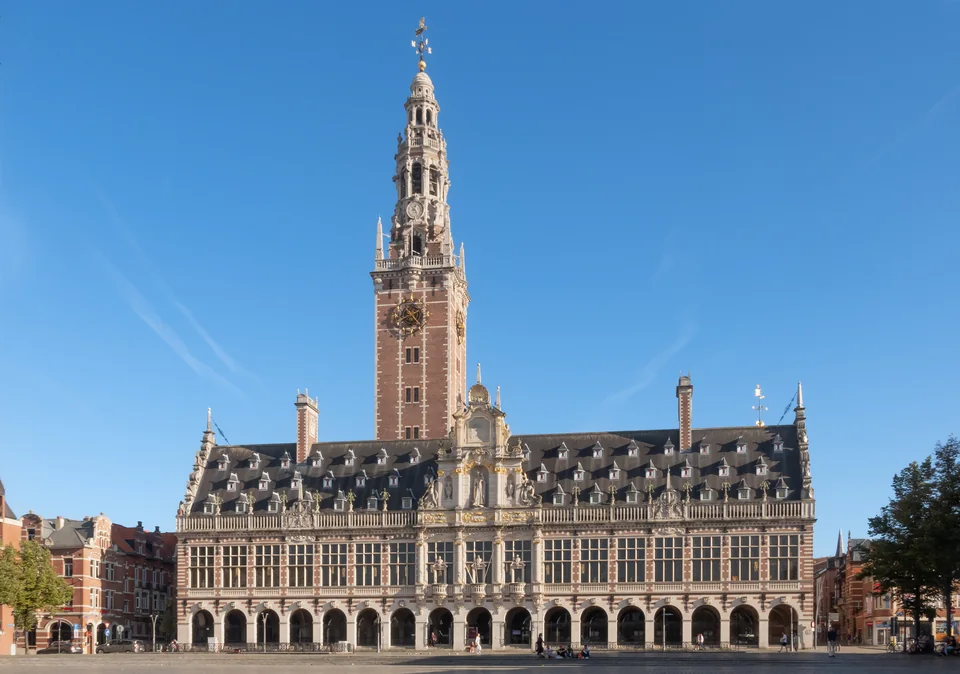
Talk to a real consultant. During the free initial consultation, we clarify your goal, profile, timing, and budget and identify the next realistic step. A personal strategy, requirement checks, selection of agreed options, document preparation, applications, and support are provided under an agreement with StudyU.
Write to us
Leave a request — and we will get in touch with you.
StudyU is an ICEF Accredited Trusted Agency (#7302). Our consultants are students and graduates of universities in the countries they help you apply to. About StudyU
For your first enquiry, a contact detail and your question are enough. Do not send passport details or document scans through this form. If documents are needed for your application, we will explain why and how to send them. How we process personal data
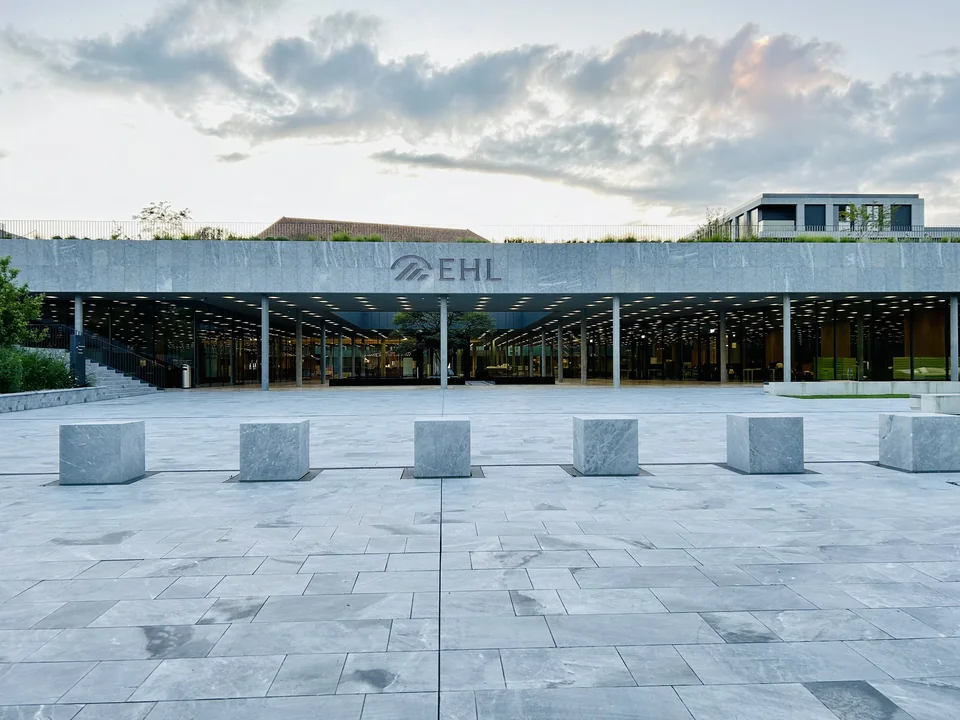
Higher education in Switzerland for international students: 3 universities, tuition, requirements and deadlines. University selection and admission.
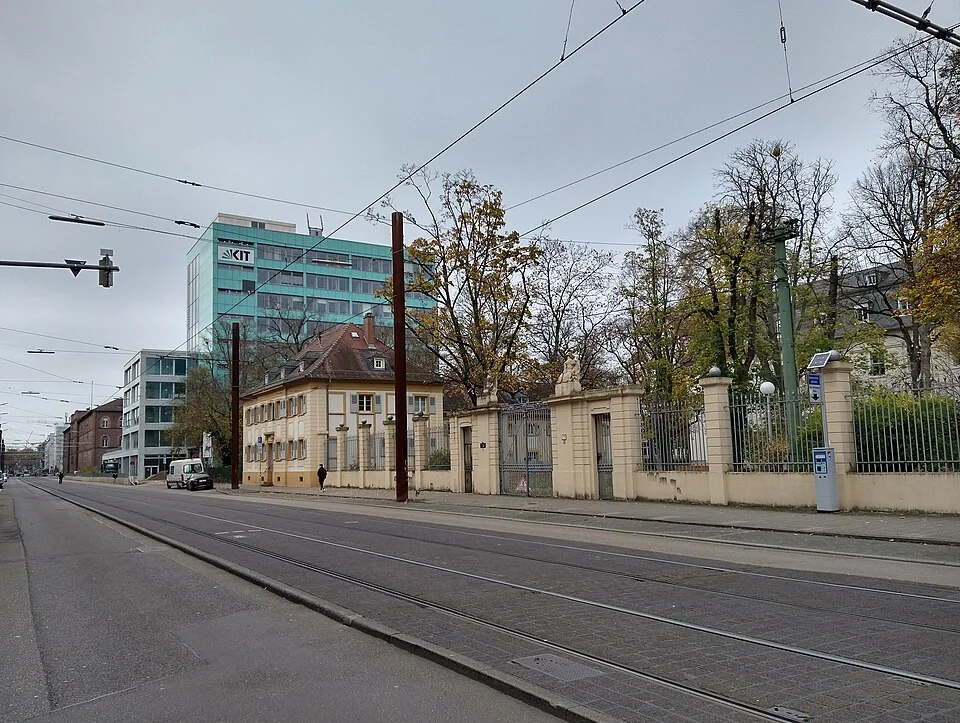
Study in Germany: TUM, LMU, RWTH, language and admission. Programme fees, mandatory contributions and 12-month living costs in USD, including fee exceptions.
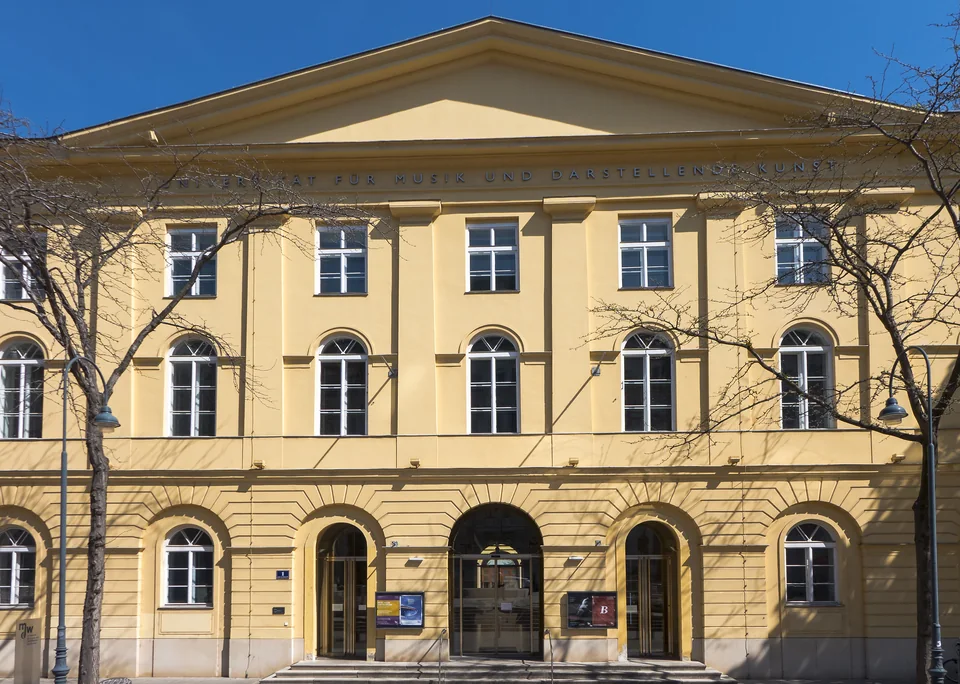
Study in Austria: Vienna universities, language, admission, tuition and 12-month living costs in USD. Budget examples and options for limited funds.