
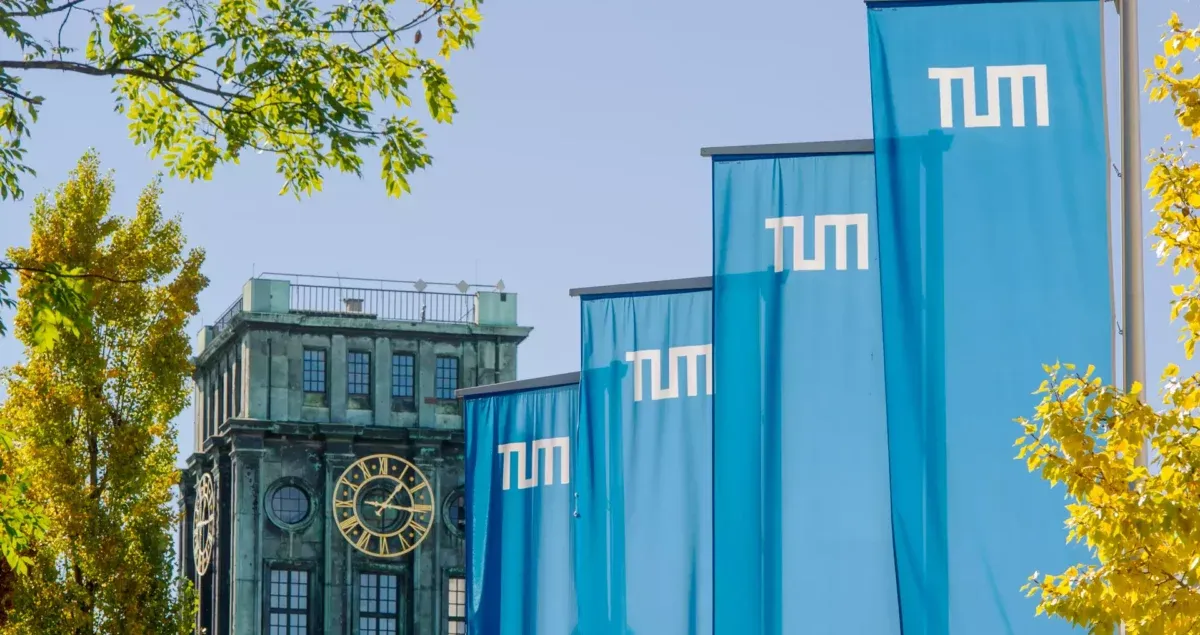
Technical University of Munich (TUM)
About the university
The Technical University of Munich (Technische Universität München, TUM) is one of Europe's leading technical universities and the strongest in Germany for engineering, computer science and the natural sciences. Founded in 1868, today it is one of Germany's "Universities of Excellence".
TUM is known for the close link between research and industry, a powerful research base and a large number of international programs. Many master's courses are taught in English.
Technical University of Munich (TUM) in rankings
TUM - Germany's technical leader:
- #37 in the world - QS World University Rankings
- University of Excellence of Germany
- The country's strongest engineering and IT school
Campus and infrastructure
TUM has modern campuses in Munich and the region, world-class research centers and close ties with technology companies.
Faculties and programs
TUM is strongest in engineering and the natural sciences:
- Engineering & Mechanics
- Computer Science & IT
- Natural Sciences
- Architecture
- Technology Management
Not sure which field to choose?
During the free initial consultation, we clarify your goal, profile, timing, and budget and identify the next realistic step. A personal strategy, requirement checks, selection of agreed options, document preparation, applications, and support are provided under an agreement with StudyU.
How to apply
Admission depends on your school diploma: a Studienkolleg or one year of university at home may be required. Proven German (for German-taught programs) or English (for English-taught ones) is needed.
How admission to Technical University of Munich (TUM) works, step by step:
- Choose a program (9–12 months ahead). Decide on the field — engineering, IT and natural Sciences — and the level: bachelor’s or master’s. Programs differ in requirements, deadlines and fees.
- Language certificate. For German-taught programs - yes (TestDaF/DSH). But many master's and some bachelor's programs are in English, in which case IELTS/TOEFL is required.
- Application. Applications are submitted online; once reviewed, the university sends an offer — with it you can plan finances and housing.
- Student visa and relocation. After the offer, StudyU helps prepare visa or residence-permit documents for Germany; the consular or migration authority makes the decision.
After 11 years of school. Not directly: you need 12-13 years of education. The standard route is a Studienkolleg year with the Feststellungsprüfung exam, or 1-2 university years at home.
Documents for admission
- Passport
- Diploma & transcript (with recognition)
- Language certificate (TestDaF/DSH or IELTS/TOEFL)
- Motivation letter
Exact requirements depend on the program - we'll help you prepare.
Tuition and living costs
Since winter 2024/25, most newly enrolled Bachelor’s and Master’s students from outside the EU/EEA pay tuition at TUM. Bachelor’s tuition is usually $2,270 (€2,000) or $3,410 (€3,000) per semester; Master’s tuition is usually $4,540 (€4,000) or $6,810 (€6,000). The exact amount depends on the programme, and a campus semester fee is additional.
TUM lists exemptions and waiver scholarships, but each has eligibility rules and deadlines; approval is not automatic. Budget the full applicable tuition until an exemption or award is confirmed.
Add accommodation, health insurance and travel to the study budget. Check the programme page before paying: the published fee, campus and your exemption status determine the amount due.
TUM tuition rules and programme fee guidance · TUM waiver and scholarship conditions.
Dollar amounts are converted at the ECB reference rate of 29 September 2026 (€1 = $1.1355).
Accommodation and student life
Munich is one of Germany's most comfortable but also most expensive cities. The university and student services help with finding housing.
Career after graduation
Working while studying. Yes, students are allowed to work part-time, and after graduation you get time to look for a job in Germany.
The strong fields of Technical University of Munich (TUM) are engineering, IT and natural Sciences. As at most universities in Germany, students have access to a career centre, job fairs and internships — use them from the first semesters: hands-on experience is decisive for the first job.
Many graduates continue studying: a bachelor’s from Germany is a strong base for a master’s in the same country or anywhere else.
FAQ
#37 in the world by QS - the top technical university in Germany.
Yes, especially at the master's level in engineering and IT.
For most newly enrolled students from outside the EU/EEA, TUM tuition is usually $2,270 (€2,000) or $3,410 (€3,000) per Bachelor semester, or $4,540 (€4,000) or $6,810 (€6,000) per Master’s semester. A separate campus semester fee applies. Check the exact programme and any exemption before budgeting.
Want to study at Technical University of Munich (TUM)?
During the free initial consultation, we clarify your goal, profile, timing, and budget and identify the next realistic step. A personal strategy, requirement checks, selection of agreed options, document preparation, applications, and support are provided under an agreement with StudyU.
Other universities - studying in Germany: Ludwig Maximilian University of Munich (LMU) · RWTH Aachen University. All options are on the page studying in Germany.
Get a free consultation
During the free initial consultation, we clarify your goal, profile, timing, and budget and identify the next realistic step. A personal strategy, requirement checks, selection of agreed options, document preparation, applications, and support are provided under an agreement with StudyU.
- Discuss your study goal and academic profile
- Clarify budget, timing and destination constraints
- Identify a realistic next step and what to verify before applying
Write to us
Leave a request - and we'll get in touch.
StudyU is ICEF Accredited Trusted Agency #7302. One consistent point of contact with first-hand study-abroad experience. About StudyU
Similar universities - studying in Germany
Compare your options - we'll help you check the requirements and prepare an agreed route.
Updated:
