Australia has nine universities in the QS World University Rankings 2027 top 100, according to Study Australia. Students may work only under their visa conditions; the Temporary Graduate visa (subclass 485) requires a separate application and eligibility after graduation.
Degree length varies by course: bachelor's degrees often take 3–4 years, while master's courses vary in duration. The featured university courses are taught in English, but each provider sets its own admission and English-evidence requirements.
Advantages of studying in Australia
Nine universities in the QS 2027 top 100.
A student visa (subclass 500) usually allows up to 48 hours of work per fortnight during study periods.
Eligible graduates can apply for the Temporary Graduate visa (subclass 485), usually for 2–3 years depending on the qualification.
Example: ICMS Bachelor of Business, 2027 tariff — $39,590 for the standard first year of 12 subjects.
Home Affairs living-cost evidence for one student: $20,810 for 12 months.
Australia: costs can differ substantially by study year
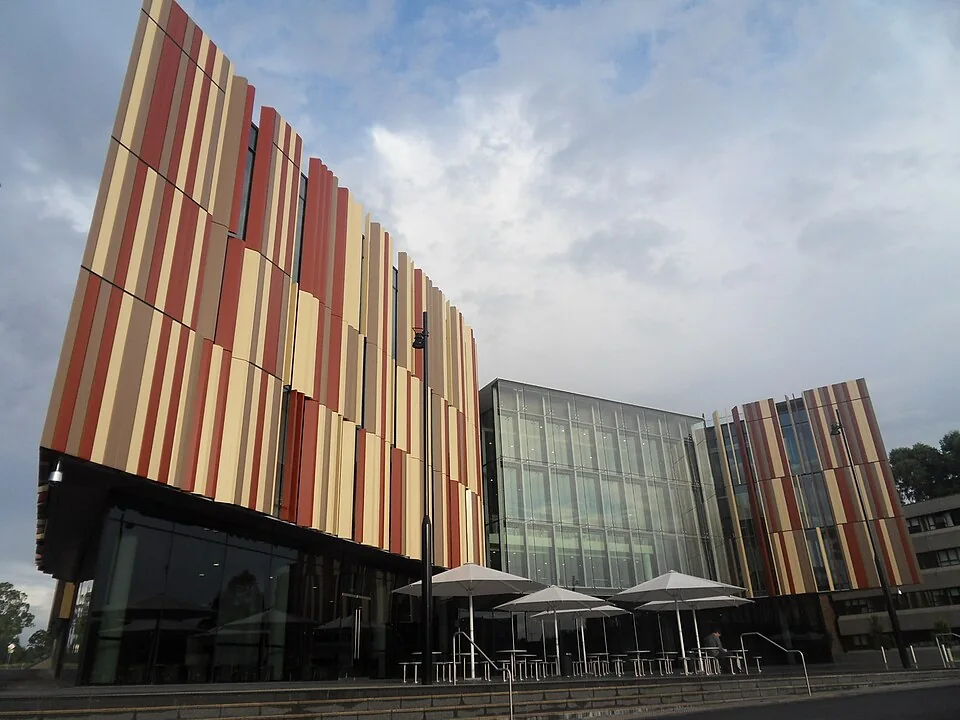
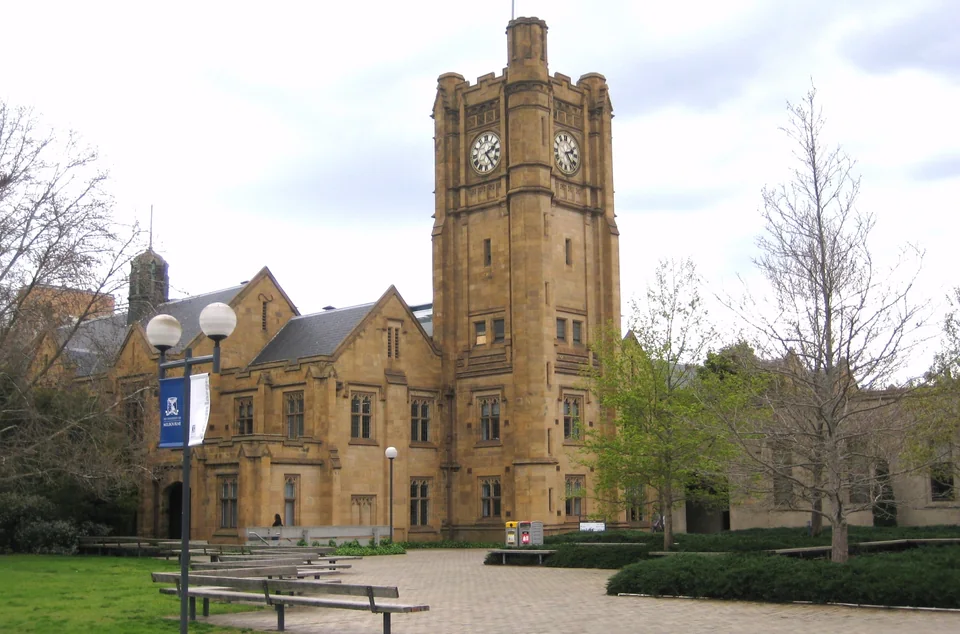
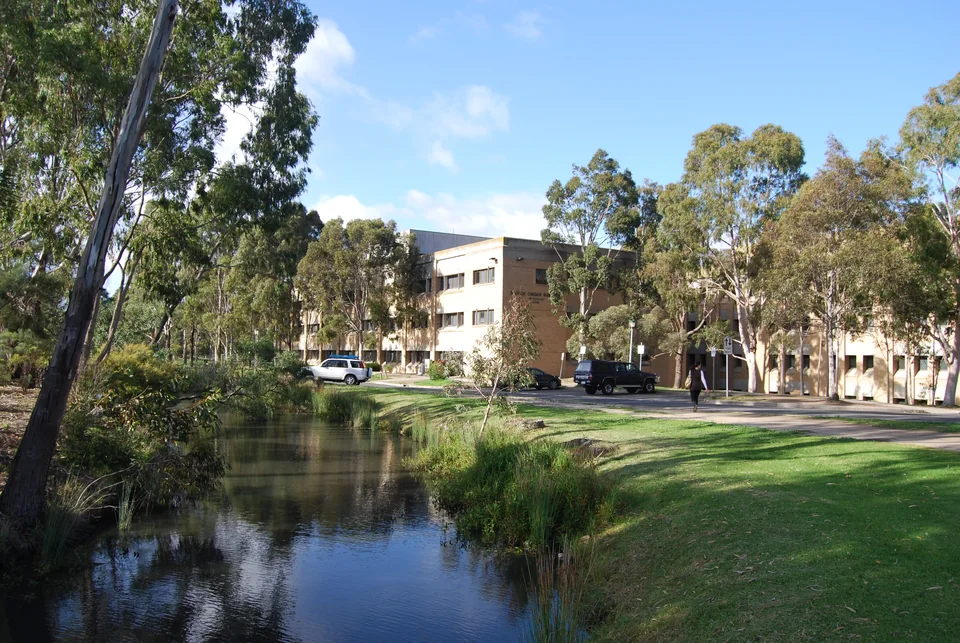
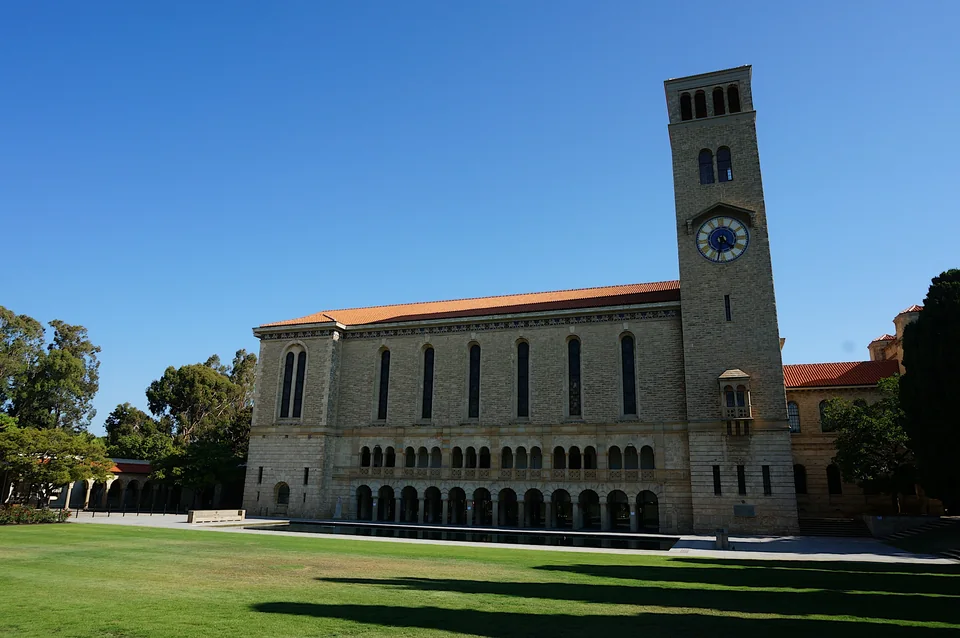
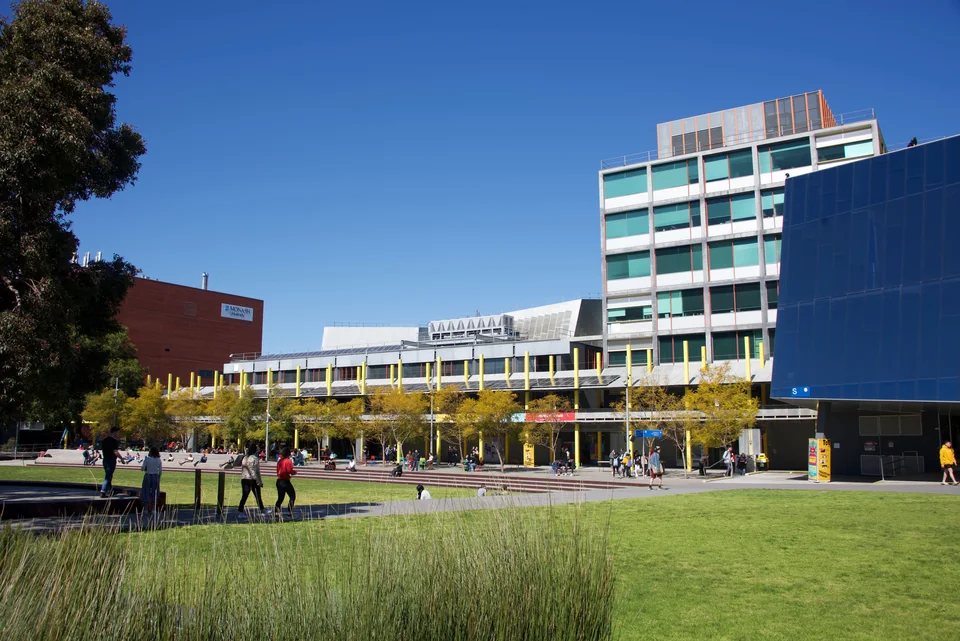
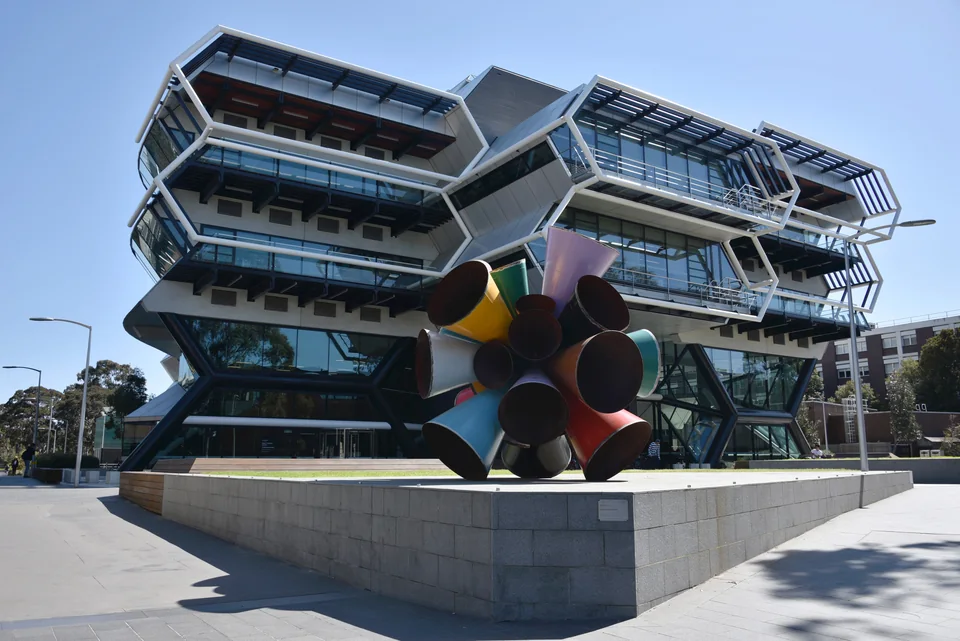
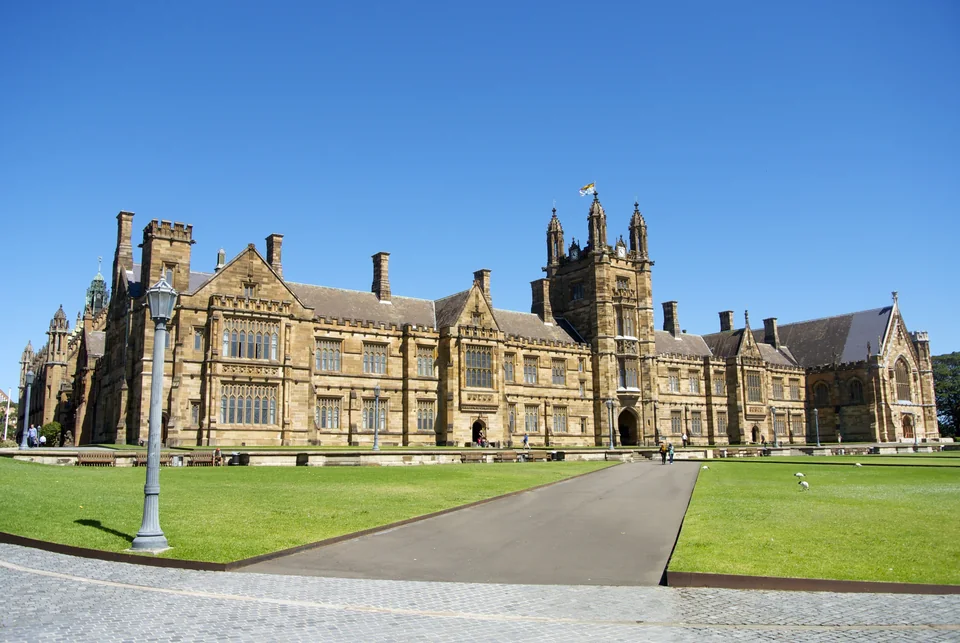
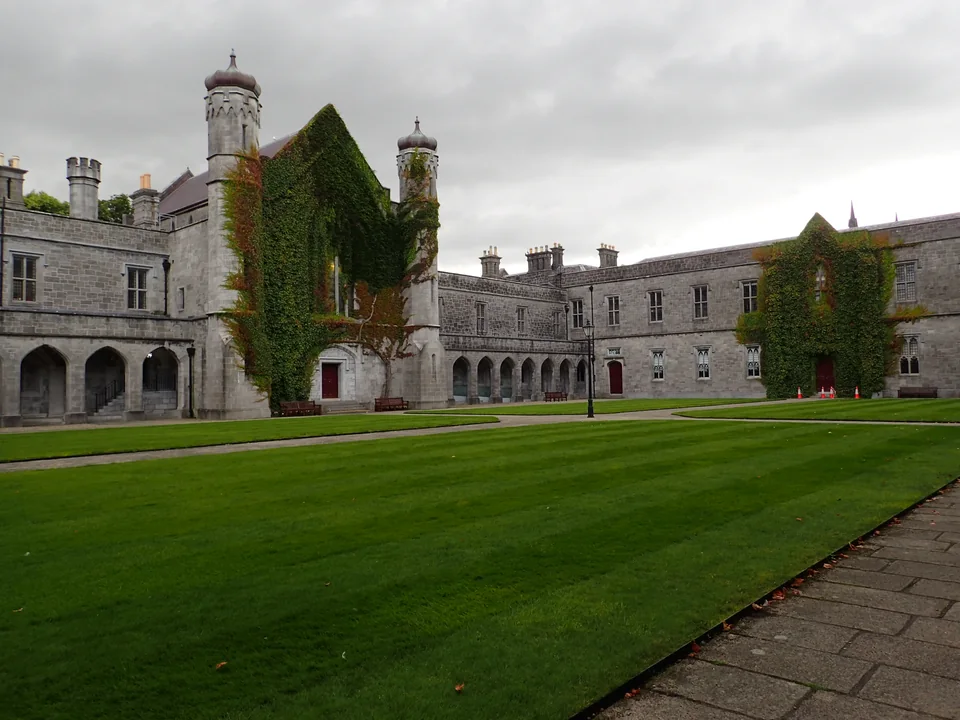
Monash University — Melbourne
Do not divide a full-degree fee by the number of years without checking the study plan. ICMS’s published standard undergraduate pattern has different numbers of fee-paying subjects across years.
Scenario
US dollars (published AUD)
ICMS Bachelor of Business, 2027 tariff: first standard year, 12 fee-paying subjects
$39,590 (AU$56,520)
ICMS Bachelor of Business: indicative full standard plan, 24 fee-paying subjects at the 2027 tariff
$79,180 (AU$113,040)
Home Affairs: 12-month living-cost evidence for one student (checked 23 September 2026)
$20,810 (AUD29,710)
The Home Affairs living-cost evidence amount is a visa threshold, not a forecast of actual Sydney spending. Rent and daily expenses can be higher; budget for mandatory health cover and travel separately.
Keep the figures separate: tuition is a provider charge; living-cost evidence shows access to funds and is not an extra fee. Confirm actual living costs and add only expenses missing from your budget.
Foundation, vocational study and master’s programmes require their own payment plans. Practical trimesters without subject fees still incur living costs. The full-plan illustration holds the 2027 tariff across 24 subjects for comparison; ICMS reviews fees annually, so it is not a fixed whole-degree quote.
If your budget is limited
Compare direct entry, preparation and another city using the full degree cost. Essential first-year funding should not depend on income from future work.
What to prepare next
Include your qualification, subject and language. Prepare first-year and full-degree budgets including summer and health cover.
The figures are in Australian dollars as published by ICMS and Home Affairs; no currency conversion is used. The ICMS full-plan fee is indicative and can change with subject choices or annual fee reviews. The Home Affairs living-cost evidence amount was checked on 23 September 2026 and is neither a living-cost forecast nor an extra payment. Count housing once; add OSHC, travel, deposits and agreed StudyU fees separately.
ICMS: fees · Home Affairs: financial evidence · Study Australia: living costs · Dollar amounts: ECB reference rate of 29 September 2026 (A$1 = $0.7005)
How admission works
Admission depends on the provider, qualification and course. An accepted school qualification may allow direct bachelor's entry; Foundation or Diploma study is an option when specific entry requirements are not met. Master's applicants need an eligible prior qualification and must meet course-specific requirements, including any required English evidence.
The provider decides admission and the Department of Home Affairs decides the visa. StudyU helps compare study options and points applicants to official visa checklists; personal immigration advice or visa-lodgement assistance should come from a registered migration agent or legal practitioner. The applicant or authorised representative submits the visa application. Compare direct entry with any proposed pathway and verify progression, cost and timing before paying.
Step by step:
Academic route: direct entry or a pathway. Find out whether you qualify for direct entry or need a Foundation or Diploma pathway; the section on 11-year qualifications below explains how universities assess this.
Language. Check the selected course's accepted English evidence, which may include a test or eligible prior English-medium study. A language pathway, if offered, has its own fees, dates and progression conditions.
Offer and CoE. Confirm the provider’s offer, payment and enrolment conditions. The provider issues a Confirmation of Enrolment after its requirements are met; this document does not guarantee a visa.
Subclass 500 visa. Check current financial-capacity, OSHC and Genuine Student requirements, along with the documents for your circumstances.
Part-time work. Work permission depends on visa conditions. Most students have a limit of 48 hours per fortnight while their course is in session; check the rules for your status. A Temporary Graduate visa after graduation requires a separate application and eligibility. Prospective earnings should not replace study funding.
Applying with an 11-year school qualification
The university assesses your school qualification against the specific programme requirements. Foundation or Diploma study may help meet missing requirements, but does not establish automatic second-year entry. Before paying, confirm progression conditions, credited subjects, duration and total cost. More: study-abroad guide.
Master's degrees in Australia
The university assesses the prior degree, academic fit and language requirements. Check the specific master’s fee and duration. Scholarships are separately awarded; a Temporary Graduate visa also has its own eligibility rules and is not issued automatically on graduation.
Check the complete funding plan
Use the same intake, study load and accommodation period when comparing offers. Confirm compulsory charges, payment dates and refund terms. Count housing and financial evidence once; add only expenses absent from the published calculation.
FAQ
Nine Australian universities appear in the QS World University Rankings 2027 top 100.
There is no single IELTS score for every degree. Providers set course-specific English standards and may accept different tests or eligible prior study; student-visa evidence rules are separate. Check both requirements for your route.
At ICMS’s published 2027 tariff, the Bachelor of Business standard first year has 12 fee-paying subjects costing $39,590 (AU$56,520); its indicative 24-subject plan is $79,180 (AU$113,040). Separately, Home Affairs lists $20,810 (AUD29,710) for one student’s 12-month living-cost evidence (checked 23 September 2026). This is not a Sydney living-cost estimate or an extra fee, and the ICMS example is not an Australian university average.
Most students are limited to 48 hours per fortnight while their course is in session. Check your visa conditions, exceptions and academic calendar before working. Do not make future earnings essential to paying for the first year.
The Temporary Graduate visa subclass 485 requires a separate application and eligibility based on qualification, age and previous status. Duration depends on the category. Check eligibility before your current permission ends; graduation does not guarantee a visa or a job.
During the free initial consultation, we clarify your goal, profile, timing, and budget and identify the next realistic step. Developing a personal study strategy, checking course-entry requirements, selecting agreed programme options, and preparing documents and applications for education providers are provided under an agreement with StudyU.
Discuss your study goal and academic profile
Clarify budget, timing and destination constraints
Identify a realistic next step and what to verify before applying
StudyU is an ICEF Accredited Trusted Agency (#7302). Our consultants are students and graduates of universities in the countries they help you apply to. About StudyU
For your first enquiry, a contact detail and your question are enough. Do not send passport details or document scans through this form. If documents are needed for your application, we will explain why and how to send them. How we process personal data