Slovenia offers public universities and specialist private institutions in a compact European setting. Compare the actual programme, language and fee category. Further academic or professional recognition depends on the receiving institution or competent body.
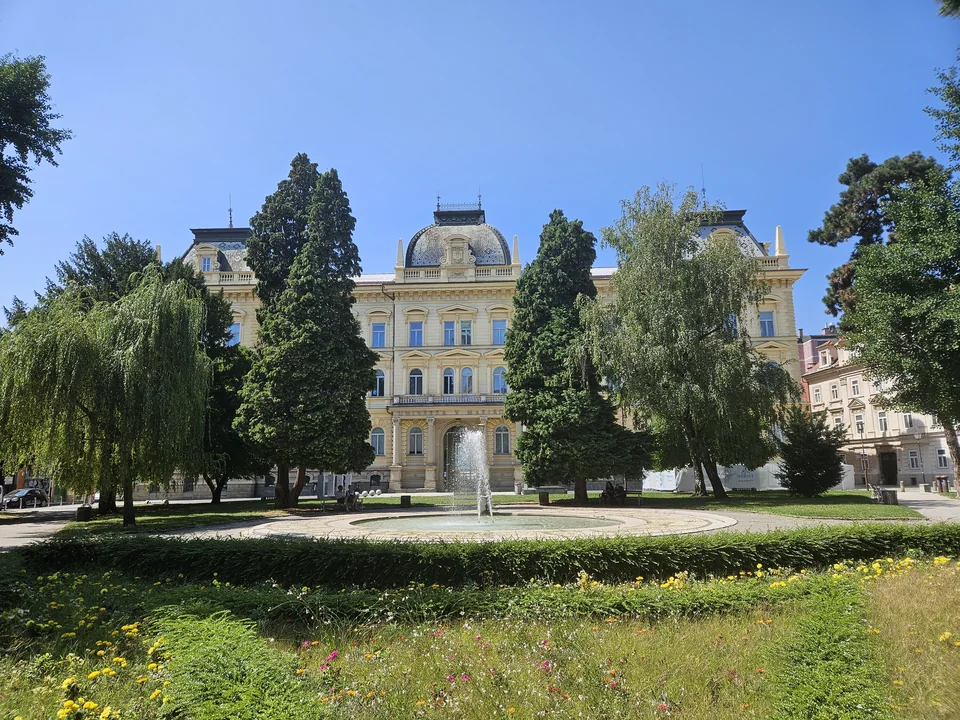
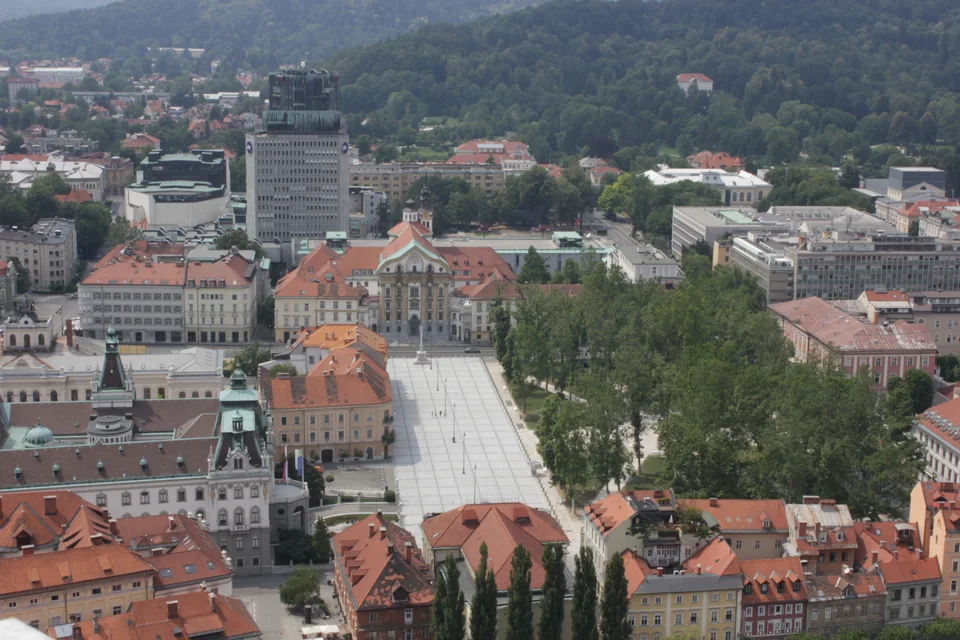
The capital, Ljubljana, is a green student city at the crossroads between Vienna, Venice and Zagreb, opening up wide travel opportunities during your studies.
Advantages of studying in Slovenia
Study in Slovenia tuition guide: $2,300–$12,700 a year for bachelor’s and $2,300–$17,300 for master’s study.
Recognition for further study or a regulated profession is assessed by the receiving institution or competent body.
Programs in English at a number of universities.
Close to Italy, Austria and Croatia.
Slovenia: degree level and fee status change the budget
GEA College — Ljubljana
First establish whether the applicant must pay tuition. Then compare bachelor’s and master’s programmes: the same teaching language does not mean the same price.
Scenario
USD
Bachelor’s: Study in Slovenia annual guide
$2,300–$12,700
Master’s: Study in Slovenia annual guide
$2,300–$17,300
Ljubljana: lower living guide for 12 months
$9,700+
GEA Entrepreneurship, non-EU: annual tuition and enrolment
$8,800
The University of Ljubljana publishes a lower living guide, not a spending ceiling. Housing drives much of the budget; a low-cost dormitory is not available to every international student. Accommodation is already part of living costs.
Using the lower living guide gives indicative subtotals of $12,000–$22,400 for a bachelor’s year or $12,000–$27,000 for a master’s year. The upper figures do not cap the full budget: living can cost more, and extra fees and moving costs are excluded.
A separate example is GEA Entrepreneurship: non-EU tuition with annual enrolment is about $8,800, or a subtotal from $18,500 with the lower living guide. Published foreign-student terms require all programme tuition upfront in year one; enrolment can be paid annually. Obtain the full payment schedule. Entrepreneurship and Management is a different, Slovene-taught part-time programme; its tariff must not be transferred to this example. Count academic-performance credits only after an award.
If your budget is limited
Compare faculty fees and tuition-exemption conditions, then check housing in the chosen city. High rent can erase savings on tuition.
What to prepare next
For an initial enquiry, include nationality, degree level, preferred language and a budget including housing. Mention any programme or university offer you already have.
Rounded amounts are shown in US dollars for comparison, using ECB reference rates from 2026. The programme and its provider’s terms determine the final fee. Count housing and other categories once. Check what the university calculation includes; add only missing expenses and StudyU fees separately. A deposit can require funds before studies start. Do not add proof of funds again to expenses those same funds cover.
Steps to enrolment
International applicants are admitted on the basis of their diploma and proven language proficiency (Slovenian or English). Documents usually require translation and recognition.
We'll help compare the agreed options and prepare the application and student-visa documents; the university and relevant authority make the decisions.
Step by step:
Nostrification. Certificate recognition first — start months ahead.
Apply. Centralized national portal; the main window is spring.
Language. The programme sets its language threshold and accepted tests. Preparation length depends on your starting level and workload; a one-year course does not guarantee the required result. For an English-taught degree, also check the language of placements and practical study tasks.
Residence permit. Check study-residence requirements for your nationality and status. Student-service work has separate eligibility and referral rules; do not assume unrestricted work rights.
Admission with an 11-year school certificate
An 11-year school qualification is assessed through recognition for continuing education. The result depends on the qualification and programme requirements; subject conditions, an exam or a portfolio may apply. Check preparation and language separately; admission is not automatic. More: study-abroad guide.
Master's degrees in Slovenia
Master’s admission requires separate assessment of the recognised degree, relevant subjects, grades and language. Faculty conditions may apply. Compare the whole programme cost and prior-education requirements, rather than the degree title alone. Student-service work requires the applicable status and referral; expected earnings should not replace essential funding.
What studying in Slovenia costs
Compare the same study and accommodation period. Calculate preparation and extra semesters separately; do not add housing or proof of funds a second time to expenses already covered. StudyU services are accounted for under the agreement.
FAQ
Slovenia participates in the European Higher Education Area, but recognition is decided for the specific purpose. A receiving university assesses further-study eligibility; a competent professional body decides regulated-profession access. Check the degree and requirements in the destination country.
Study in Slovenia gives general annual tuition guides of $2,300–$12,700 for bachelor’s and $2,300–$17,300 for master’s study. Exemptions depend on nationality, status and programme. The GEA Entrepreneurship non-EU example is about $8,800 per year with enrolment; its terms require all programme tuition upfront. Living is separate.
Yes, a number of universities and programs are taught in English. We'll point out which suit you.
An English-taught programme may admit on English evidence, but check every compulsory course and placement. Slovene-taught study has its own language requirement. Slovene also matters for daily life and some work; an English degree does not remove those practical needs.
Another Slavic language may help with vocabulary, but academic Slovene requires practice and assessment. Set a preparation plan against the chosen programme’s language requirement; a one-year course cannot guarantee the outcome.
Temporary student work uses an authorised student service and a referral under the applicable student-status rules. Check eligibility, residence conditions and taxes before starting; this is not unrestricted employment permission or guaranteed income.
Slovenia is strongest for a focused European shortlist
Slovenia suits students who want a smaller European environment, manageable cities and a practical route into business, economics, management or selected public-university programmes. It is not the broadest destination on the site, so the decision depends heavily on the exact university and whether the programme language works for the student.
StudyU compares Slovenia with Austria, Hungary, Czechia and Italy when a family wants Europe but does not want the choice to become too expensive or chaotic. The right route should show one main university, one stronger academic alternative and one safer reserve before the first payment.
Universities
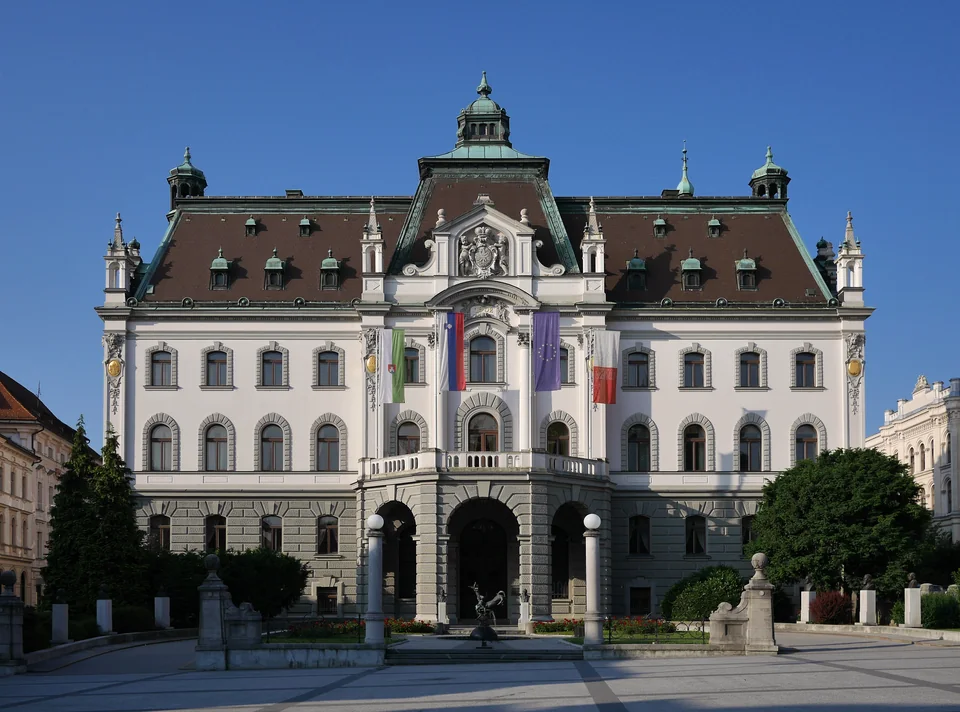
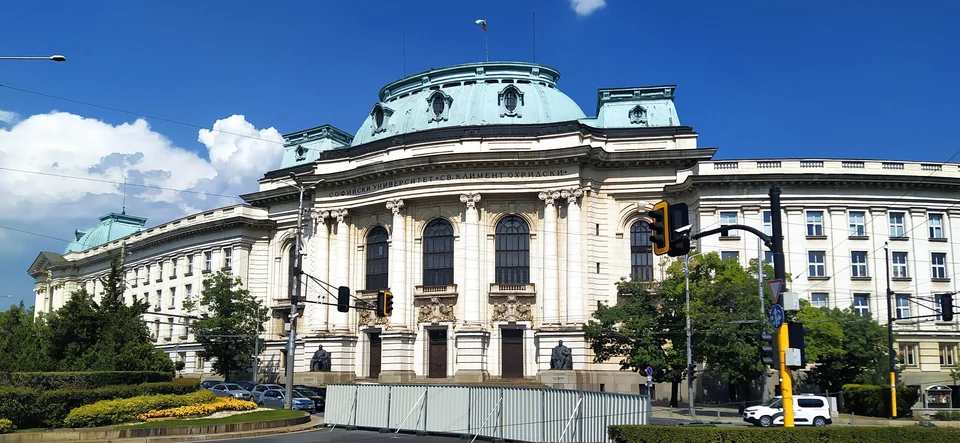
Universities in Slovenia
Each university profile lists faculties, fees and entry requirements.
During the free initial consultation, we clarify your goal, profile, timing, and budget and identify the next realistic step. A personal strategy, requirement checks, selection of agreed options, document preparation, applications, and support are provided under an agreement with StudyU.
Discuss your study goal and academic profile
Clarify budget, timing and destination constraints
Identify a realistic next step and what to verify before applying
StudyU is an ICEF Accredited Trusted Agency (#7302). Our consultants are students and graduates of universities in the countries they help you apply to. About StudyU
For your first enquiry, a contact detail and your question are enough. Do not send passport details or document scans through this form. If documents are needed for your application, we will explain why and how to send them. How we process personal data