
What this degree covers
Occupational Health and Safety (OHS) focuses on preventing workplace injuries and occupational diseases. Students learn to identify hazards, assess risk, select controls, support staff training, investigate incidents and maintain safety documentation.
This is not occupational therapy or a clinical healthcare degree. Its focus is workplace processes, law and compliance, occupational hygiene, fire and emergency readiness, human factors, risk management and safety culture.
Associate, bachelor’s, master’s and PhD programmes have different entry requirements, depth and career outcomes. Graduate programmes require prior higher education and do not replace a first degree.
Need help comparing current tuition?
During the free initial consultation, we clarify your goal, profile, timing, and budget and identify the next realistic step. A personal strategy, requirement checks, selection of agreed options, document preparation, applications, and support are provided under an agreement with StudyU.
What you study
The exact curriculum depends on the degree level and university. Compare these core areas in the current programme specification.
- Introduction to occupational health and safety
- Workplace law and responsibilities
- Physical, chemical, biological and ergonomic hazards
- First aid and emergency readiness within the curriculum
- Hazard identification and risk assessment
- Hierarchy of controls
- Occupational hygiene and measurements
- Fire safety and evacuation planning
- OHS management systems and audit
- Incident investigation and corrective action
- Training, communication and safety culture
- Reporting, documentation and ethics
- Workplace cases and inspection checklists
- A risk-assessment or safety-improvement project
- An internship, thesis or applied project when included in the chosen programme
Career directions and limits
Graduates may work in manufacturing, construction, logistics, energy, hospitality, laboratories and corporate safety teams, within the limits of their qualification and local rules.
- OHS technician or assistant after the relevant level of study
- Safety documentation, training or compliance coordinator
- Risk-assessment or HSE/OHS roles after meeting applicable professional requirements
- Audit, consulting or safety management after gaining the required experience and authority
A job title does not replace a professional licence or certificate. For work in another country, verify degree recognition, language, work permission and local certification separately.
Is Occupational Health and Safety right for you?
It may fit if you…
- Like analysing processes and spotting hazards.
- Are interested in law, technology, human factors and management.
- Can explain rules clearly and document decisions carefully.
Compare alternatives first if…
- You expect clinical work with patients: OHS is workplace safety.
- You dislike inspections, documentation or procedural responsibility.
- You expect a degree to provide an automatic international licence.
What to verify before applying
Compare the exact degree level, teaching language, current curriculum, practical component and the professional result of the programme. Ask the university to confirm in writing whether the degree supports the certification route you intend to follow; verify regulated practice with the competent authority in the country where you plan to work.
Universities offering Occupational Health and Safety
Compare universities - tuition, language and degree side by side.
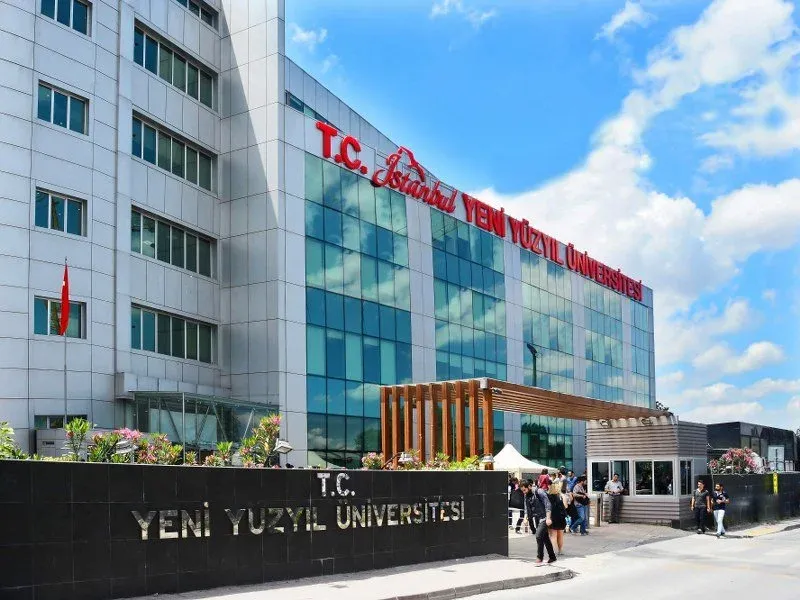
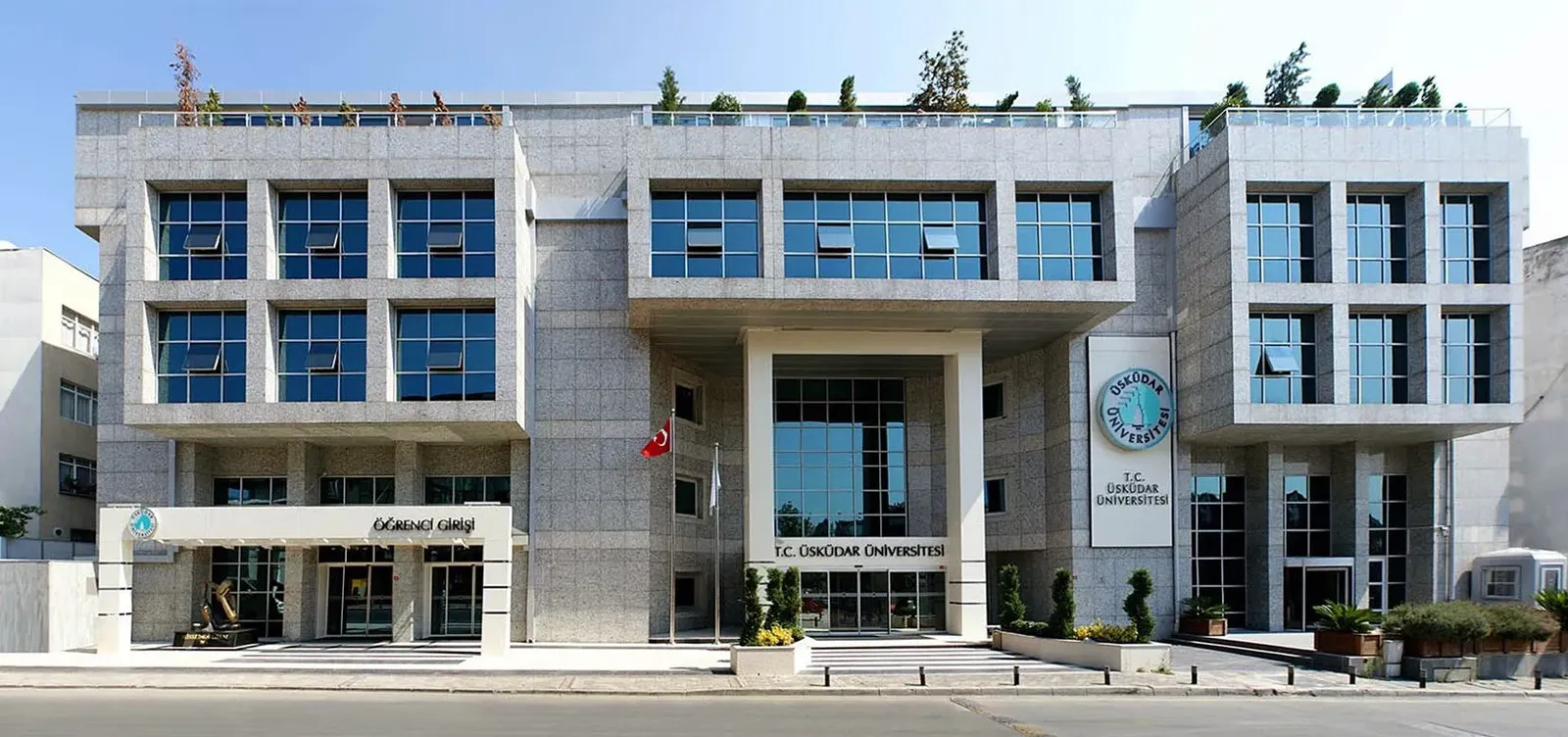
| University | Degree | Language | Tuition |
|---|---|---|---|
| Yeni Yuzyil University | Bachelor | Turkish | $4 000/yr |
| Uskudar University | Bachelor | Turkish | $4 200/yr |
| Okan University | Master | Turkish | $3 500/yr |
| Antalya Bilim University | Master | Turkish | $4 000/yr |
| Yeni Yuzyil University | Master | Turkish | $4 000/yr |
| Uskudar University | Master | Turkish | $4 400/yr |
| Gedik University | Master | Turkish | $5 000/yr |
| Gelisim University | Master | Turkish | $10 000/yr |
| Uskudar University | PhD | Turkish | $7 800/yr |
| Gedik University | PhD | Turkish | $12 000/yr |
| Okan University | Associate | Turkish | $2 025/yr |
| Uskudar University | Associate | Turkish | $2 800/yr |
| Gelisim University | Associate | Turkish | $3 000/yr |
| Medipol University | Associate | Turkish | $3 250/yr |
| Yasar University | Associate | Turkish | $4 000/yr |
| Gedik University | Associate | Turkish | $4 600/yr |
| Nisantasi University | Associate | Turkish | $4 676/yr |
| Biruni University | Associate | Turkish | $5 000/yr |
How to apply for Occupational Health and Safety in Turkey
Admission to Occupational Health and Safety programs at private Turkish universities runs on your school record: an 11-year certificate is accepted directly, and most universities skip entrance exams. Prepare a language certificate - TOEFL or TÖMER depending on the track - and the denklik recognition of your diploma, which we run in parallel with the application. For public universities, YÖS or SAT may be required.
Start 6-9 months before the intake so there is time to compare current terms. We shortlist universities for Occupational Health and Safety; discount or scholarship terms are confirmed in writing by the university or funding body.
Frequently asked questions
Yes - an 11-year school certificate is accepted directly, and most private universities admit to Occupational Health and Safety without entrance exams. State universities sometimes request YÖS or SAT.
The listed programmes are available in Turkish. Confirm the exact teaching language, certificate rules, and any preparatory-year requirement for the chosen university and intake.
Tuition starts from $2 025 per year (full price before any discount). The current amount and any university-awarded discount must be confirmed in the written offer for the relevant intake.
The listed options include two-year associate, four-year bachelor’s and graduate programmes. Confirm the exact duration and study format for the chosen university.
Under an agreement with StudyU, we check requirements, prepare documents, submit the application, and support the agreed steps. The university makes the admission decision; the relevant authority decides the visa, and the university or provider confirms housing availability. During the free initial consultation, we clarify your goal, profile, timing, and budget and identify the next realistic step.
Pay depends on the country, industry, role, experience and professional certification. Compare current vacancies only after confirming which roles the degree and any required licence permit.
Ready to study Occupational Health and Safety in Turkey?
During the free initial consultation, we clarify your goal, profile, timing, and budget and identify the next realistic step.
Official sources
- YÖK Atlas: official program catalogue — program availability, institution and stated language of instruction. International quotas and tuition require the university's own current source.
- YÖK: official international-student information — the official university search route and general international-student guidance. The chosen university still owns its admission requirements.
- ÖSYM: official TR-YÖS exam (2026) — the official calendar and application route for TR-YÖS/1 in 2026. Each university publishes whether the result is required for the selected program.
Confirm language, curriculum, quota, tuition and exams in the selected university's active intake before applying or paying. .
