
Plan the entry and residence requirements for your own situation before travelling to Turkey. A student visa, where required, and a student residence permit are separate applications. Check your nationality, current residence status, program and admission letter with the Turkish consulate, then confirm the residence procedure with the university and migration authority.
Who Needs a Student Visa for Turkey?
Check the Turkish consulate’s study-purpose entry requirements for your nationality and current status before booking travel. Do not assume that a short-stay visa exemption also covers your intended study route. If the consulate requires a student visa, apply through the mission responsible for your place of residence using its current document list. The Turkish Ministry of Foreign Affairs limits e-Visas to tourism or commerce; a short course is not, by itself, a reason to choose a tourist e-Visa.
Use the consulate’s answer for your own nationality, status and study purpose. Confirm the correct entry route even for a short course; do not use course length alone to choose a tourist e-Visa. Keep that entry check separate from the residence-permit procedure after arrival.
Types of Student Visas in Turkey
The MFA lists these purposes under its Student–Education Visa category:
- Education Purpose.
- Turkish Language Course Purpose or Course Purpose.
- Internship Visa, including the separately listed ERASMUS and AISEC internship purposes.
Ask the Turkish mission which purpose applies to your actual programme and invitation; course length alone does not select the category.

Turkey Student Visa Requirements
Before you apply, prepare all the necessary paperwork. The key Turkey student visa requirements (documents) include:
- Acceptance Letter: An official letter of admission from your Turkish university. This letter should state your program and duration of study, and it must be issued before you apply for the visa.
- Passport: The MFA’s general rule is validity for at least 60 days beyond the authorised stay under the relevant visa, visa exemption or residence permit, with specified exceptions. The MFA also recommends six months from arrival. Confirm the applicable requirement with the Turkish mission for your nationality and travel document.
- Visa Application Form: The completed and signed Turkey student visa application form. You can download this form from the Turkish MFA website or through the consulate’s online visa portal.
- Photographs: Recent passport-size photos (biometric passport style) as per Turkish visa photo rules.
- Proof of Finances: Bank statements or sponsor letters showing you have enough money (or scholarships) to cover tuition and living expenses in Turkey. Turkish officials must be convinced you can pay for your studies and stay.
- Travel/Health Insurance: A travel or health insurance policy valid for your entire stay in Turkey. In fact, Turkish visa guidelines require all applicants to hold medical insurance for the duration of their trip.
- Accommodation Proof: Evidence of where you will stay (e.g. a dorm reservation or rental agreement) This can be a letter from your university dorm or a lease for a student apartment.
- Visa Fee: Obtain the current amount, payment currency and method from the Turkish mission handling your application. Keep the receipt. The MFA states that visa fees are not refunded when an application is rejected.
In addition to these, some embassies may ask for additional documents. For example, you might need to show prepaid flight reservations, a recent medical exam report, a clean criminal record certificate, or a sponsor’s declaration if someone is supporting you. Because requirements can vary slightly between consulates, it’s wise to double-check the checklist on your local Turkish embassy website or contact them directly. Overall, gather all basic documents above and any others your consulate lists to ensure a smooth application.

How to Apply for a Student Visa in Turkey
If a student visa is required, follow the Turkish mission’s application procedure for your place of legal residence. Confirm whether it uses an online pre-application, an appointment and an in-person submission. The sequence below is a preparation guide; the mission’s current instructions take priority.
- Wait for the University's Admission Decision First. You can only apply once you have an official acceptance letter from a Turkish university. Make sure your program start date is far enough in the future (usually a month or more) so you have time to apply.
- Book a Consulate Appointment. Go to the Turkish visa portal and schedule an appointment at the nearest Turkish consulate. In many countries, you fill in initial information online and then choose a date to appear. Keep the appointment confirmation or number handy.
- Submit Application & Documents. On your appointment day, go to the consulate or embassy with all required documents. You will submit the visa application form and supporting papers (passport, photos, acceptance letter, bank statements, etc.). Be sure to pay the visa processing fee at this time (the consulate will tell you the exact amount and accepted payment method).
- Attend the Visa Interview. The consular officer may ask you brief questions about your study plans (e.g. “What will you study?” “How will you finance your education?”). Be polite, clear, and honest. Having all documents organized and accurate will help make a good impression. (Note: In most places a formal interview is short — more a verification of your papers than an exam.)
- Wait for Processing. Ask the mission for its current processing estimate and how to track the application. Allow for additional checks and follow-up documents; wait for the decision before making travel commitments that depend on approval.
- Collect Your Visa. Once approved, you’ll be notified to pick up your passport. Your student visa will be affixed inside. Check the visa sticker carefully (dates, number of entries, etc.). Now you’re ready to travel to Turkey before the visa’s expiration date.
Following these steps in order helps you prepare a complete student-visa application for Turkey. Remember to apply early (at least 1–2 months before your program starts). Rushing or missing documents can delay approval.
Attending the Appointment
On the day of your embassy appointment, dress neatly and bring all your documents (with copies). Officers will verify your paperwork and may ask you to explain your study plan and intentions. This interview usually only lasts a few minutes, but it’s an important part of the process. A complete, well-prepared application is the key — missing even one form or photo can cause a rejection. So double-check your paperwork before you leave home.

After Arrival: Residence Permit
Entry permission and a student residence permit serve different purposes. After arrival, confirm the applicable residence procedure and deadline with your university and the migration authority, using your actual permitted stay. Do not assume every entrant has the same 30-day application deadline or 90-day stay.
Use the migration authority’s current application procedure and the university’s instructions for submitting student documents. Prepare the required passport, enrolment, address, photograph and insurance evidence, plus any documents specific to your status. The authority determines the permit’s duration; check the issued dates and any renewal deadline separately from your entry visa.
Processing Time and Fees
Timing: The MFA recommends applying at least one month before planned travel. This is a planning recommendation, not a guaranteed processing period. Check appointment availability and the mission’s current estimate for your application, and allow time for additional requests.
Validity: read the permitted stay and entry conditions on your visa or applicable exemption. A residence permit has its own validity and renewal rules; do not treat an entry visa and residence permission as a single document renewed annually.
Fees: Check the Turkish mission’s current fee for your nationality and visa application, including payment instructions. Keep visa fees separate from residence-permit and other document costs. Visa fees are not refunded if the application is refused.

Tips for Success
- Start Early: Begin your application process as soon as you receive admission. Visa paperwork can be unexpectedly slow. Apply at least a month in advance.
- Double-Check Documents: Before your appointment, make sure every form is filled and every document is present. Even small errors or missing items can cause delays or rejection. Organize originals and photocopies, and remember translations if needed.
- Be Prepared for the Interview: Answer questions truthfully and succinctly. Practice common questions (“What will you study?” “How will you pay tuition?”) so you feel comfortable. Dressing neatly shows professionalism. Bring copies of key documents in case the officer requests them.
- Stay Informed: Visa rules can change. Regularly check the official Turkish embassy site or contact the consulate if you have any doubts. Following up on your application (for example, using online tracking if offered) is also a good idea.
- Keep Copies: Photocopy or scan all submitted documents (passport, acceptance letter, etc.) before sending them. If anything is lost or a need arises, having backups will save time.
Useful next pages
For context, compare this guide with:
Turkey
Study in Turkey: compare universities and specialist programmes, admission routes and how to verify tuition and scholarship terms for your intake.

Applying to universities in Turkey
Documents, exams (YÖS, SAT, language tests) and application windows for international applicants to Turkish private and public universities.
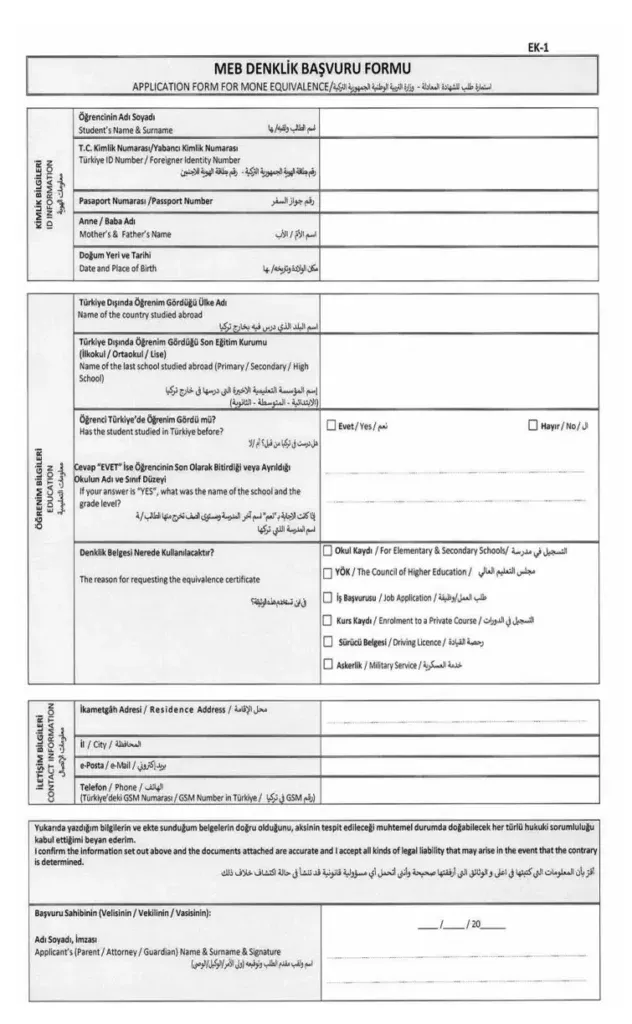
What is Denklik in Turkey and how to get it?
Denklik in Turkey: school-level MEB equivalence vs higher-education recognition, required documents, timing, costs and what to ask before applying.
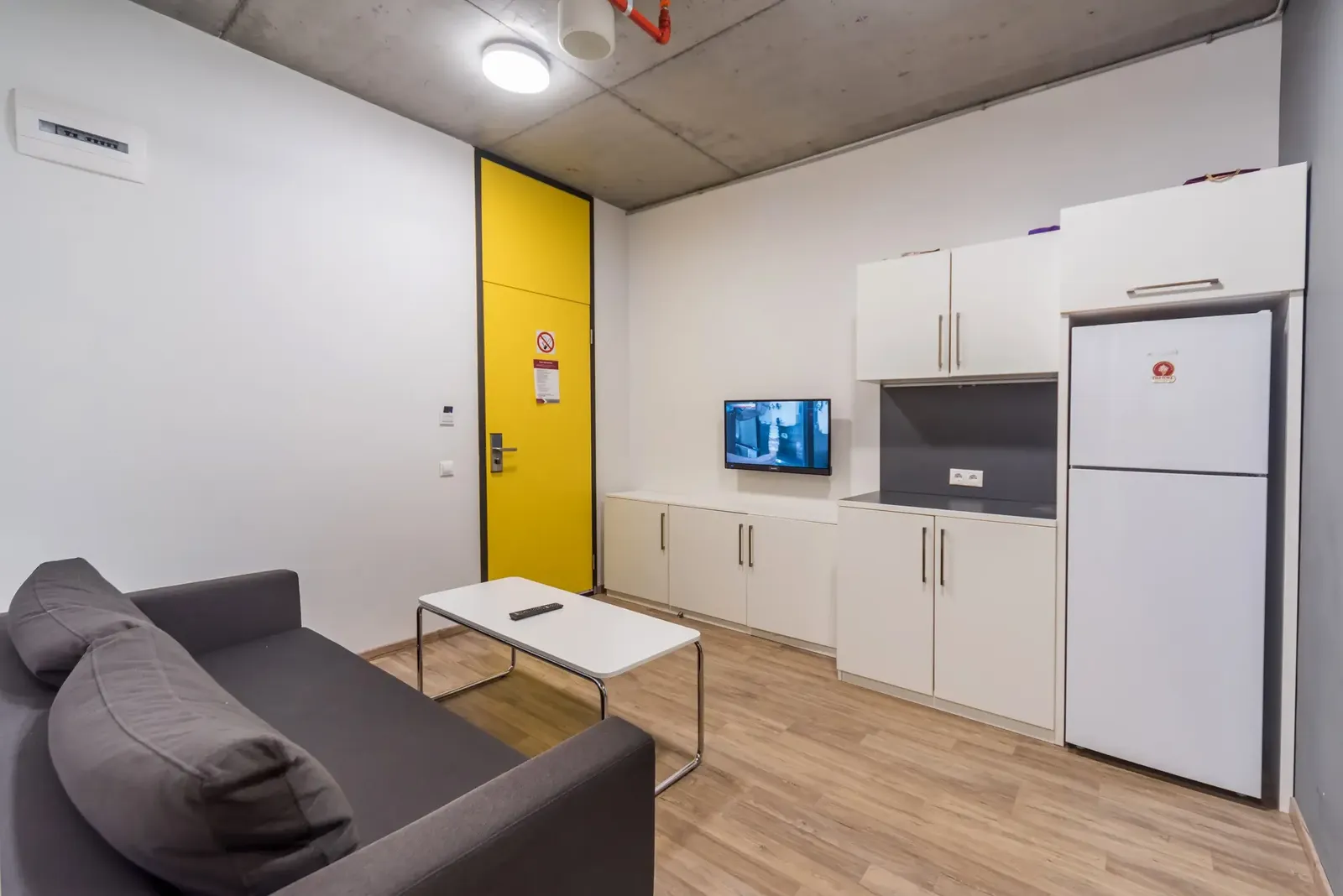
Student Accommodation in Turkey
Student housing in Turkey in 2026: university and private dorms, renting a flat, Istanbul districts, monthly budget in $ and deposits.
Need advice for your specific situation?
Talk to a consultant — free, no obligations.
FAQ
First confirm whether a student visa is required for your nationality, status and program. If it is, start preparing after receiving the university’s admission letter and follow the consulate’s current appointment and document instructions.
The usual package includes a passport, application form and appointment, biometric photos, admission letter, proof of funds, health insurance, accommodation details and payment of the visa fee. The consulate may request extra documents depending on your citizenship and country of application.
Entry permission and a student residence permit are separate. For a degree program, confirm the applicable residence procedure with the university and migration authority, prepare the address and enrolment documents, and apply within your permitted period of stay.
During the free initial consultation, we clarify your goal, profile, timing and budget and identify the next realistic step. Individual document checks, application preparation and agreed residence-permit support are provided under an agreement with StudyU. The consulate and migration authority decide the applications; StudyU does not guarantee approval or processing dates.