
What this degree covers
Radio, Television and Cinema is a field on making films: from script and shooting to editing and producing. In Turkey this field is taught in modern English- and Turkish-language programs with a strong share of projects and internships. A bachelor's program typically runs for 4 years.
Want to know what discount you qualify for?
During the free initial consultation, we clarify your goal, profile, timing, and budget and identify the next realistic step. A personal strategy, requirement checks, selection of agreed options, document preparation, applications, and support are provided under an agreement with StudyU.
Inside the curriculum
Study progresses from core foundations to specialised subjects and hands-on work.
- Introduction to cinema
- Film history
- Fundamentals of screenwriting
- Photography
- Visual literacy
- Directing
- Cinematography
- Editing
- Sound in film
- Short-film production
- Producing
- Post-production
- Documentary film
- Genre film
- Film project
- an individual creative project, studio work or professional portfolio in the chosen specialization;
- a final presentation, exhibition, showreel or case that demonstrates the level of work for employment or further study.
Your career outlook
- Director, screenwriter
- Cinematographer, editor
- Film producer
- Film and TV studios, streaming
What specialists earn in Turkey and abroad
What raises income: a personal portfolio of publications and videos, digital tools, a third language. A personalised comparison of current salary ranges by city and employer is provided under an agreement with StudyU.
Should you choose Radio, Television and Cinema?
It suits you if you…
- You are interested in Radio, Television and Cinema and related subjects.
- Combining theory with practice - projects and internships - appeals to you.
- You want an internationally recognized diploma and the experience of studying abroad.
Worth a pause if…
- You are not sure about your field yet - it is worth starting with a consultation.
- Your native language is a must - verify the language of instruction at the university.
Additional guide to programme language
For Radio, Television and Cinema, programme language affects scripts, production projects, editing assignments and team communication. Topkapi lists this bachelor's track in Turkish.
Examples to check with StudyU: Topkapi University: Radio, Television and Cinema (Bachelor, Turkish).
Universities offering Radio, Television and Cinema
Compare universities - tuition, language and degree side by side.
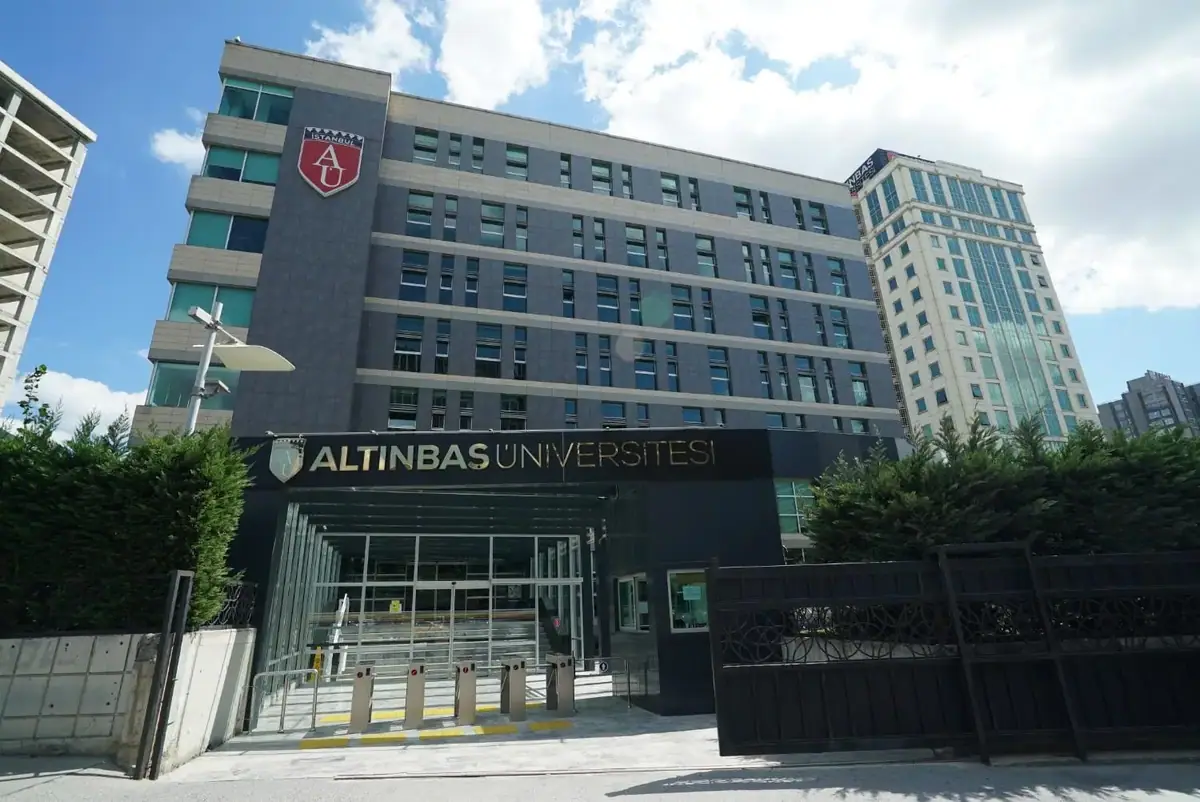
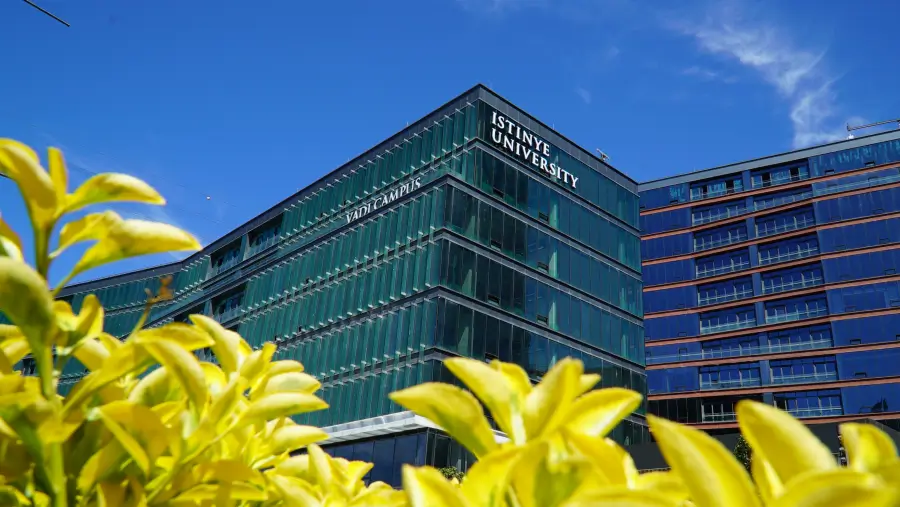
| University | Degree | Language | Tuition |
|---|---|---|---|
| Altinbas University | Bachelor | Turkish | $5 000/yr |
| Istinye University | Bachelor | English | $6 000/yr |
Real data on universities and prices (full tuition, 2026). During the free initial consultation, we clarify your goal, profile, timing, and budget and identify the next realistic step. A personal strategy, requirement checks, selection of agreed options, document preparation, applications, and support are provided under an agreement with StudyU.
How to apply for Radio, Television and Cinema in Turkey
Admission to Radio, Television and Cinema programs at private Turkish universities runs on your school record: an 11-year certificate is accepted directly, and most universities skip entrance exams. You'll need a language certificate - TOEFL for English-taught tracks or TÖMER for Turkish-taught ones - plus the denklik equivalence procedure, which we handle alongside your application. For public universities, YÖS or SAT may be required.
Start 6-9 months before the intake so there is time to compare current terms. We shortlist universities for Radio, Television and Cinema; discount or scholarship terms are confirmed in writing by the university or funding body.
Frequently asked questions
Yes - an 11-year school certificate is accepted directly, and most private universities admit to Radio, Television and Cinema without entrance exams. State universities sometimes request YÖS or SAT.
The listed programmes are available in English / Turkish. Confirm the exact teaching language, certificate rules, and any preparatory-year requirement for the chosen university and intake.
A bachelor's program typically runs for 4 years. Some fields like medicine and engineering take more years; we map the right timeline for your route.
Under an agreement with StudyU, we check requirements, prepare documents, submit the application, and support the agreed steps. The university makes the admission decision; the relevant authority decides the visa, and the university or provider confirms housing availability. During the free initial consultation, we clarify your goal, profile, timing, and budget and identify the next realistic step.
City (Istanbul and Ankara lead), employer type and languages set the range - international companies pay clearly above local ones. In media, income grows with the portfolio and the move into digital formats. Fresh ranges for this year come up in a consultation.
Ready to study Radio, Television and Cinema in Turkey?
During the free initial consultation, we clarify your goal, profile, timing, and budget and identify the next realistic step.
Official sources
- YÖK Atlas: official program catalogue — program availability, institution and stated language of instruction. International quotas and tuition require the university's own current source.
- YÖK: official international-student information — the official university search route and general international-student guidance. The chosen university still owns its admission requirements.
- ÖSYM: official TR-YÖS exam (2026) — the official calendar and application route for TR-YÖS/1 in 2026. Each university publishes whether the result is required for the selected program.
Confirm language, curriculum, quota, tuition and exams in the selected university's active intake before applying or paying. .
