
Cartoon and animation in Turkey: the short answer
Cartoon and animation is a four-year, studio-based bachelor's that teaches you to design characters, write and storyboard stories, and produce 2D, 3D and stop-motion films. Bahçeşehir in Istanbul teaches it in English for $8,500 a year (2026/27); Turkish-taught options start at $2,700 a year at Haliç, with Üsküdar at $4,200 and Yaşar in İzmir at $8,000.
The degree usually sits in a faculty of communication or fine arts, so expect film language, drawing and sound design as well as software. What you leave with is a showreel and a graduation film; employers in animation look at that portfolio far more than at the diploma.
What you study, year by year
The first year trains the hand and the eye: drawing, figure and perspective, colour, basic design and an introduction to film history. In the second year you meet the principles of animation, character design, storyboarding and 2D digital tools. The third year adds 3D modelling, rigging and animation, stop motion, visual effects and sound, and many students choose a direction there.
The fourth year is taken up by a short film produced alone or in a small team, from script to final render, plus portfolio work. Studio access matters: ask how many hours of render-farm, drawing-tablet and recording-studio time students actually get.
- Drawing and perspective
- Basic design and colour
- Introduction to film language
- Digital imaging basics
- Principles of animation
- Character design
- Storyboard and layout
- 2D digital animation
- 3D modelling and rigging
- Stop-motion animation
- Sound design for animation
- Visual effects and compositing
- Graduation film production
- Portfolio and showreel
- Animation industry practice
- Electives (games, motion graphics)
Who cartoon and animation suits
Choose it if you…
- draw regularly and enjoy telling stories in pictures.
- can work patiently on one scene for days and accept detailed critique.
- want a portfolio-based career in animation studios, games, advertising or motion graphics.
Worth a pause if…
- You mainly want to learn software quickly; a short course may serve you better.
- You are not ready to study in Turkish; most options on this page are Turkish-taught.
- You struggle with fixed deadlines; studios hire on a showreel and on whether you deliver shots on time.
Entry requirements for international students
Private universities admit international students to animation on the school certificate and transcript, and some accept SAT or TR-YÖS results. Rules on a portfolio or aptitude test differ by university and intake, so ask before you apply.
- School documents: certificate and transcript (the 11-year certificate for Russian and CIS applicants), certified translations and the Ministry of National Education equivalence at registration.
- Portfolio: even when it is not required, 10–15 pieces such as sketches, character sheets, a short animated test or comics strengthen scholarship and interview discussions.
- Language: Turkish-taught programmes need an accepted Turkish level or a preparatory year; Bahçeşehir's English-taught programme needs an accepted English score or its own exam.
- Equipment: plan for a graphics tablet and a computer that can run 3D and compositing software.
How to compare animation programmes
- Studios and render capacity: Yaşar, for example, lists a PC lab with render farm, a production studio, a sound-recording studio and equipment loans.
- Balance of 2D, 3D and stop motion: check the course list against the kind of animation you want to make.
- Faculty work: watch films and festival selections by teaching staff and recent graduates.
- Industry contact: ask about internships with Istanbul studios, game companies and advertising production houses.
- Language: an English-taught degree helps if you plan to work for international studios; a Turkish-taught one is cheaper but needs strong Turkish.
Careers after an animation degree
Graduates work as 2D or 3D animators, storyboard artists, character designers, modellers and riggers, motion-graphics designers, compositors and VFX artists, and as artists in game studios. Istanbul has most of Turkey's animation, advertising-production and game companies, and remote freelance work for foreign studios is common.
There is no licence for animation work. Hiring depends on your showreel, software skills and ability to meet production deadlines, so start building an online portfolio from the second year.
Universities offering cartoon and animation
Published annual tuition for international students and the year each fee applies to.

| University | Degree | Language | Tuition (academic year) |
|---|---|---|---|
| Halic University | Bachelor | Turkish | $2,700/yr · current list · official fee |
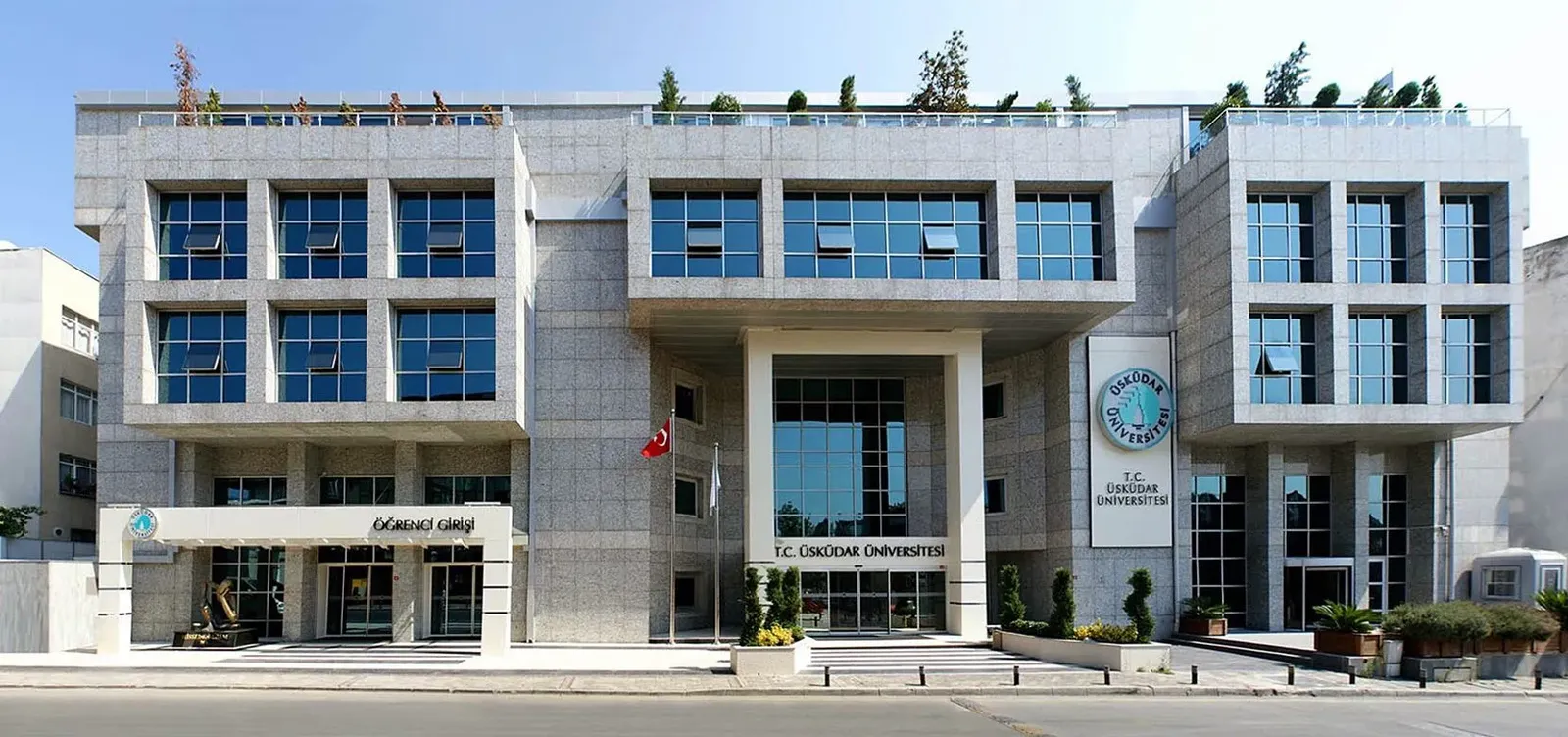
| Uskudar University | Bachelor | Turkish | $4,200/yr · 2026/27 · official fee |
| Yasar University | Bachelor | Turkish | $8,000/yr · current list · official fee |
| Bahcesehir University | Bachelor | English | $8,500/yr · 2026/27 · official fee |
Üsküdar charges $3,800 when the year is paid in advance. Haliç and Yaşar do not print an academic year on their fee pages, and Yaşar applies the same $8,000 to all its bachelor's programmes, with international-office scholarships of 75%, 50% or 25% awarded by the university. Yaşar's programme appears in YÖK Atlas without an English-medium label, so treat it as Turkish-taught unless the university confirms otherwise.
Materials are a real cost in this field: a tablet, software licences if the university does not provide them, and a computer for rendering at home, on top of housing, insurance and residence-permit fees.
How StudyU helps animation applicants
A personal strategy, requirement checks, selection of agreed options, document preparation, applications, and support are provided under an agreement with StudyU. For animation we compare studio facilities, teaching language and fees and help you prepare a portfolio and application file for the chosen universities. The university decides admission and scholarships, Türkiye's Ministry of National Education decides school-certificate equivalence, the consulate decides the visa, the migration authority issues the residence permit, and the dormitory or landlord confirms housing.
Cartoon and animation in Turkey: FAQ
Yes. Bahçeşehir lists its Cartoon and Animation bachelor's as English-taught, at $8,500 a year for 2026/27. The other options on this page teach in Turkish.
It depends on the university and intake. Prepare one anyway: it helps in interviews, scholarship decisions and your first internship.
Published fees start at $2,700 a year at Haliç, then $4,200 at Üsküdar for 2026/27, with Yaşar at $8,000 and Bahçeşehir at $8,500.
Programmes typically cover 2D animation, 3D modelling and animation, compositing and editing tools; ask each university for its current software list.
Competition is strong, and a good showreel matters more than grades. Students who intern in studios and publish work online find openings faster.
Many animators freelance for international clients. A portfolio in English and time-zone flexibility help.
Ready to study Cartoon and Animation in Turkey?
During the free initial consultation, we clarify your goal, profile, timing, and budget and identify the next realistic step.