🇮🇹 Учёба в Италии для русских и иностранных абитуриентов
Начните с конкретной программы: проверьте требования выбранного вуза, язык, сроки и вступительные испытания, официальный счёт на обучение, а для non‑EU — предзачисление и визовый маршрут. Единой цены и единого календаря для всей Италии нет.
Италия хорошо подходит тем, кто хочет европейское образование, сильные государственные университеты и понятную академическую систему, но готов к бюрократии. Здесь нельзя выбирать страну «по красоте»: нужно заранее проверить 12 лет образования, язык программы, Universitaly, стипендию DSU, жильё и визовый бюджет.
Система построена по европейской трёхуровневой логике: Laurea обычно длится 3 года, Laurea Magistrale — 2 года, а медицина, стоматология, архитектура и право могут идти как программы единого цикла на 5–6 лет. Это помогает сравнивать уровни образования, но не означает автоматического профессионального признания диплома в любой стране: для регулируемых профессий действуют отдельные правила.
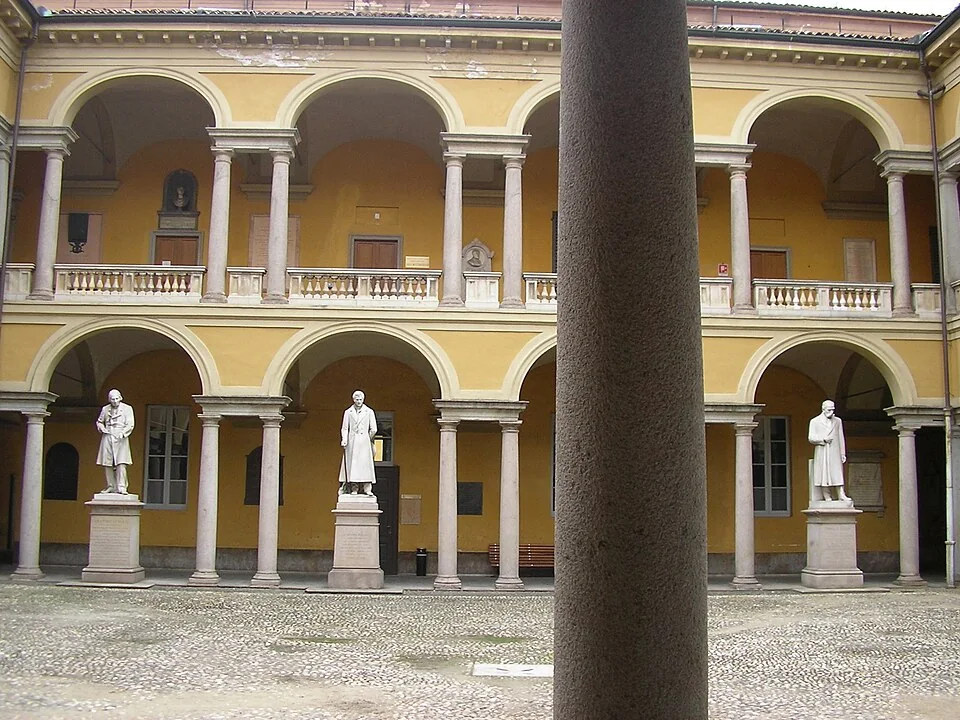
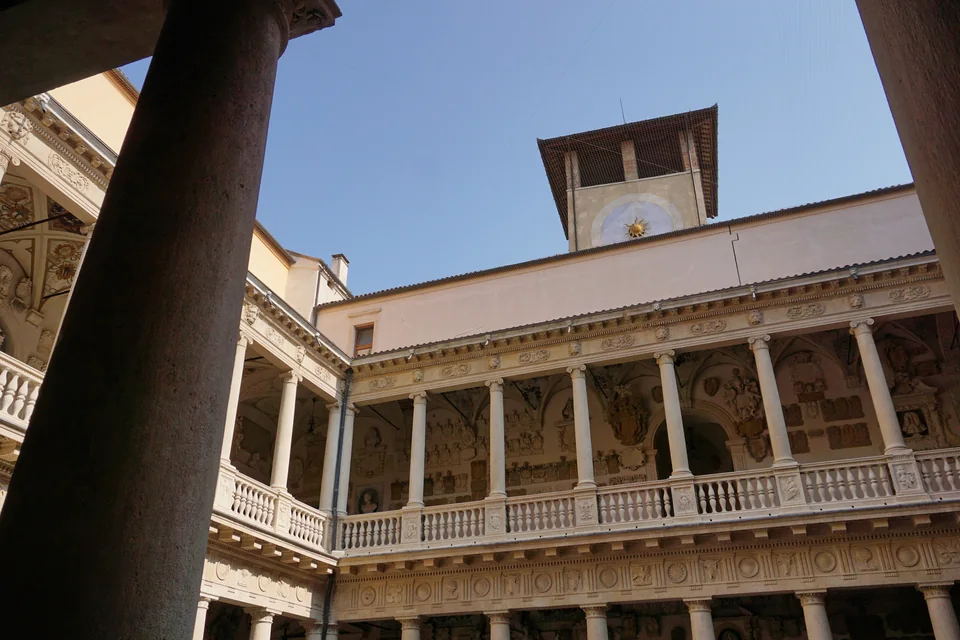
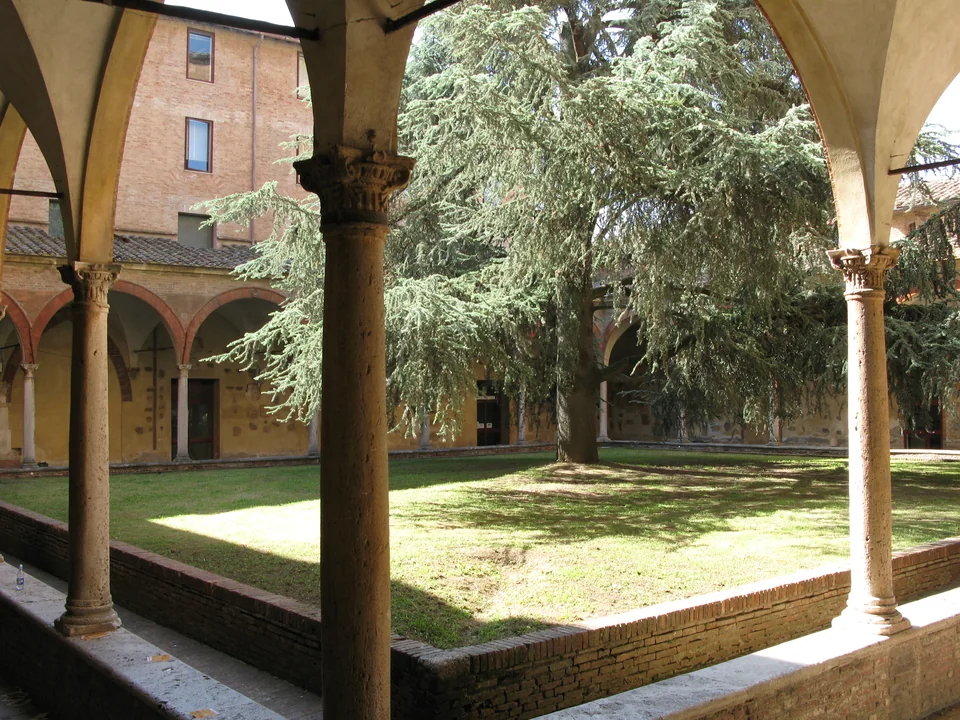
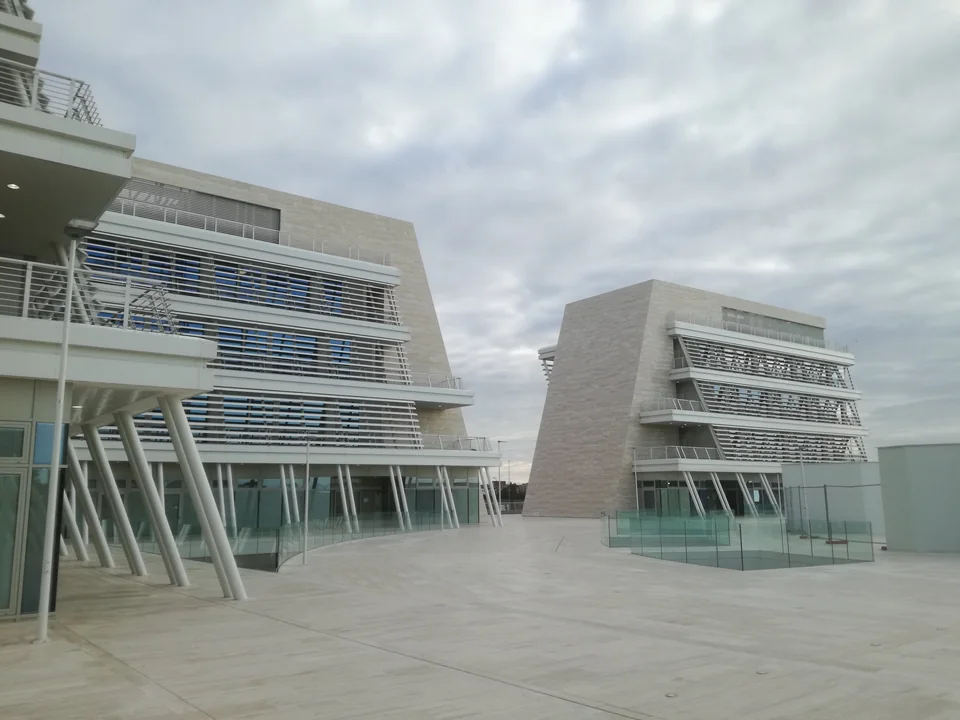
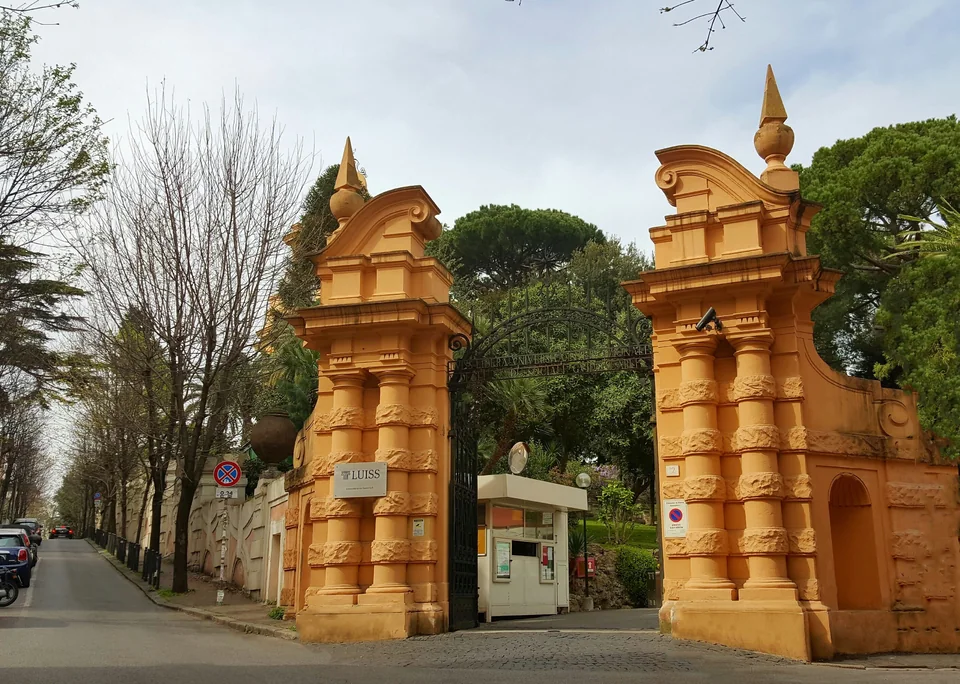
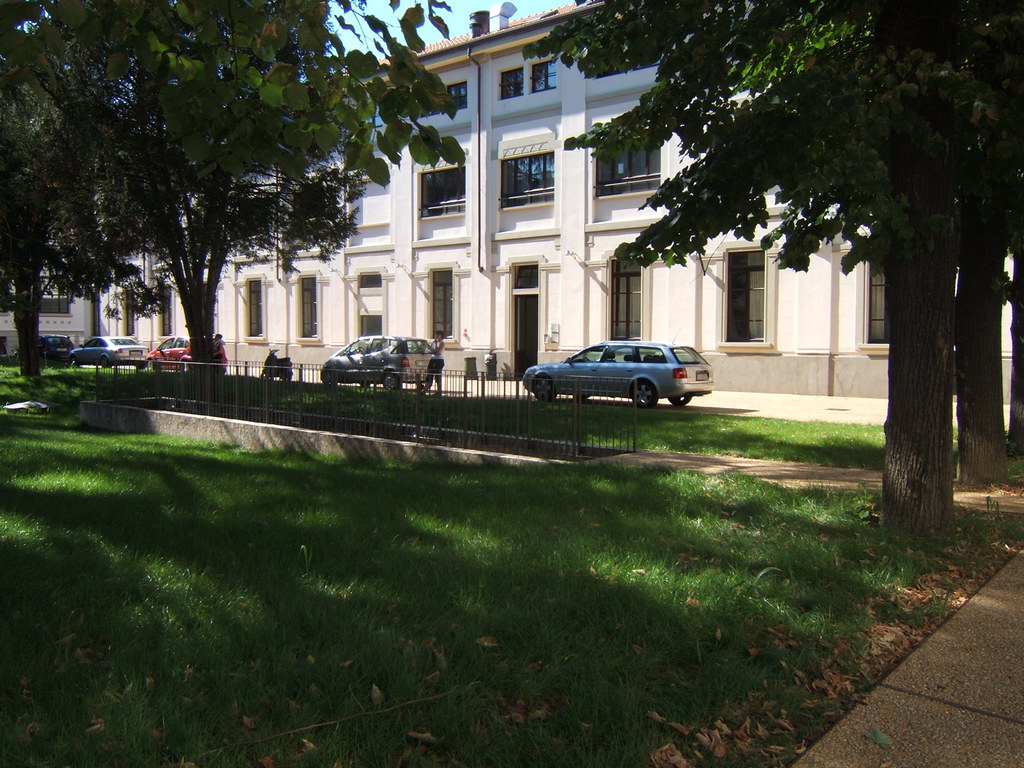
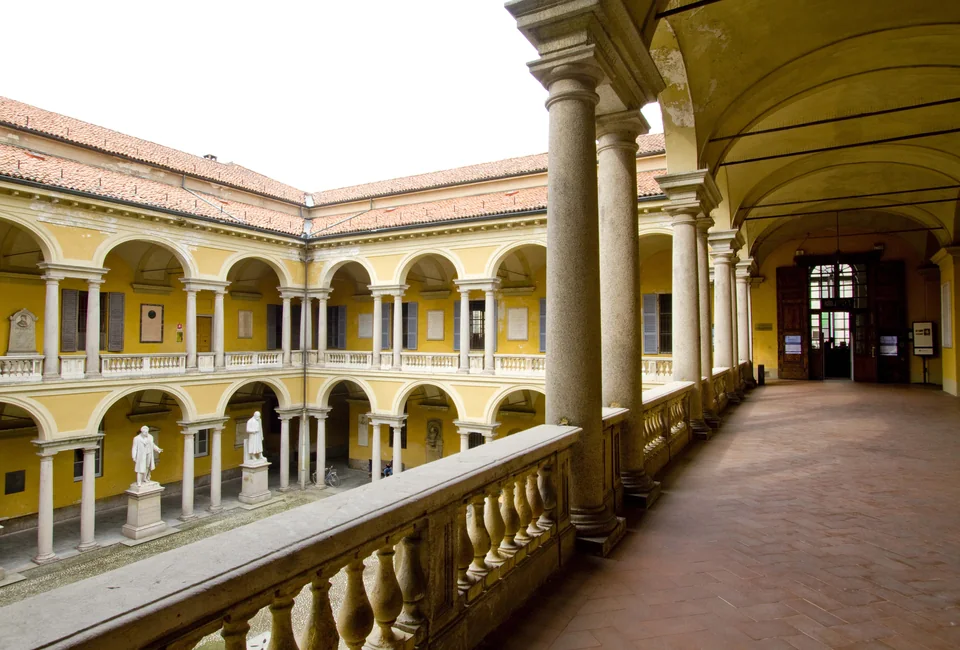
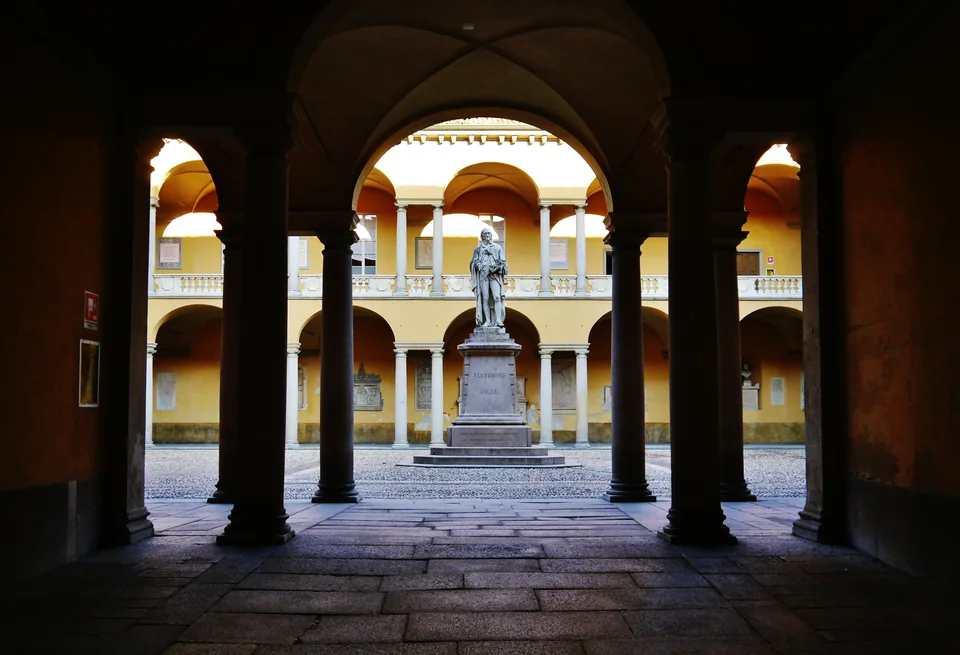
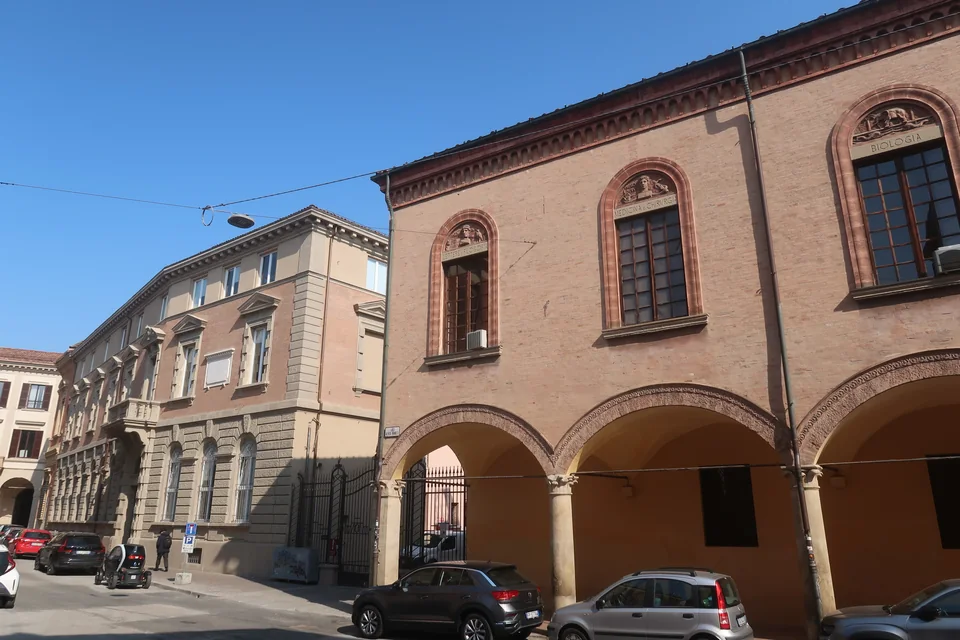
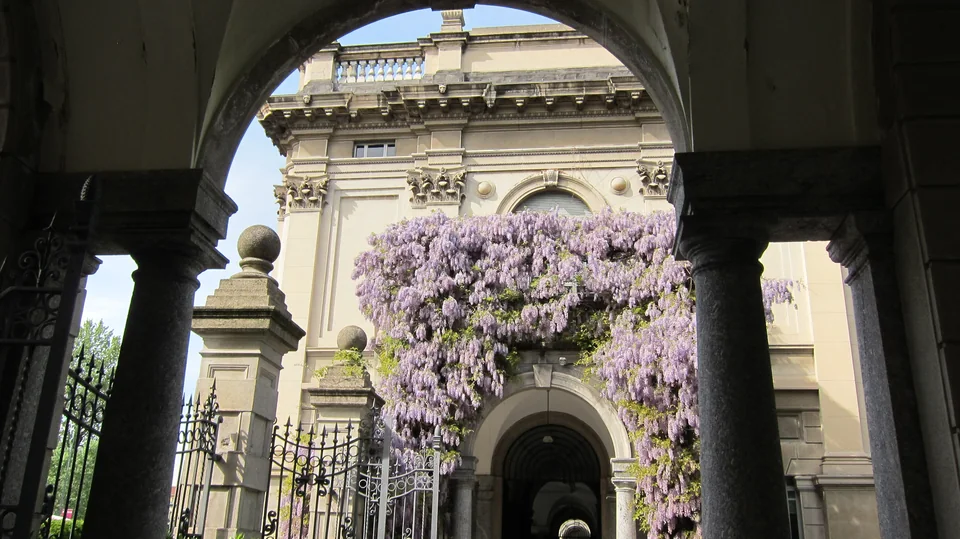
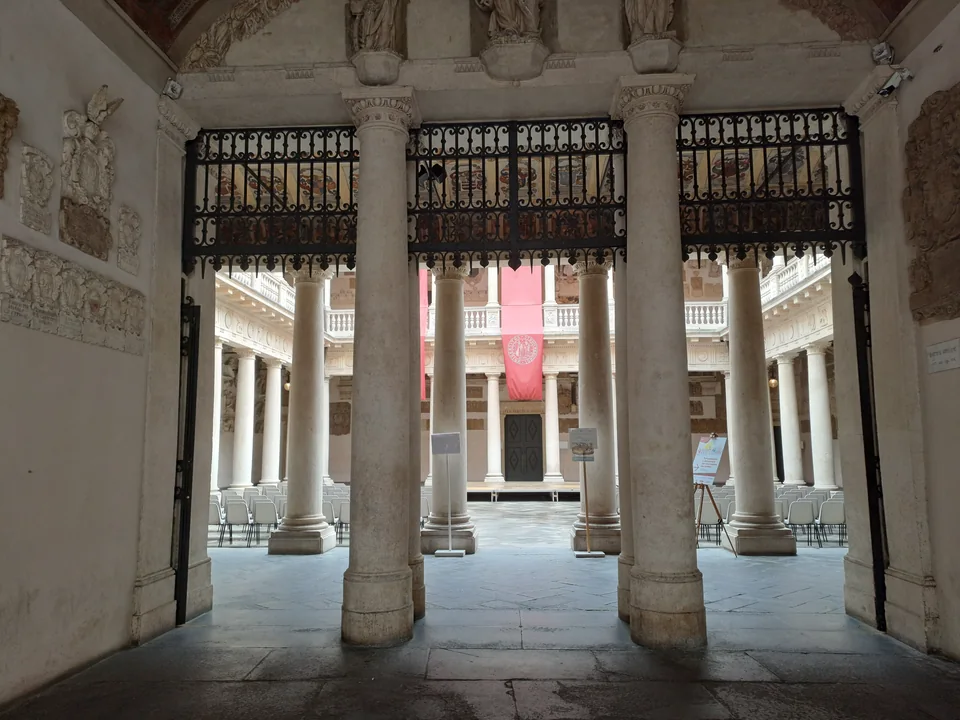
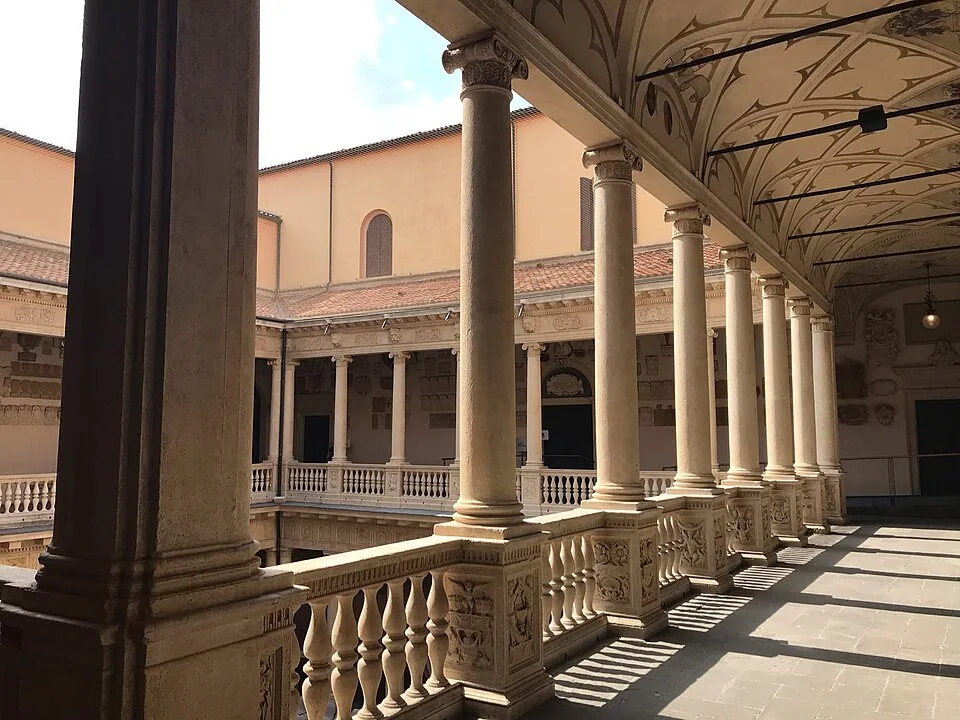
University of Padua
Сильные направления Италии для иностранных студентов — архитектура, дизайн, инженерия, IT, гуманитарные науки, экономика, менеджмент, искусство и медицина. Англоязычных программ особенно много в магистратуре; на бакалавриате выбор уже, поэтому после 11 класса маршрут почти всегда требует foundation year или первого курса дома.
Преимущества образования в Италии
Государственные вузы могут быть дешевле других популярных стран Европы. Но итоговая сумма зависит от университета, программы, доходных документов семьи и региональных сборов.
DSU может сильно снизить бюджет. Это региональная социальная поддержка: она может закрывать обучение, питание, жильё или выплаты на личные расходы, но не является гарантией и требует правильно оформленных семейных документов.
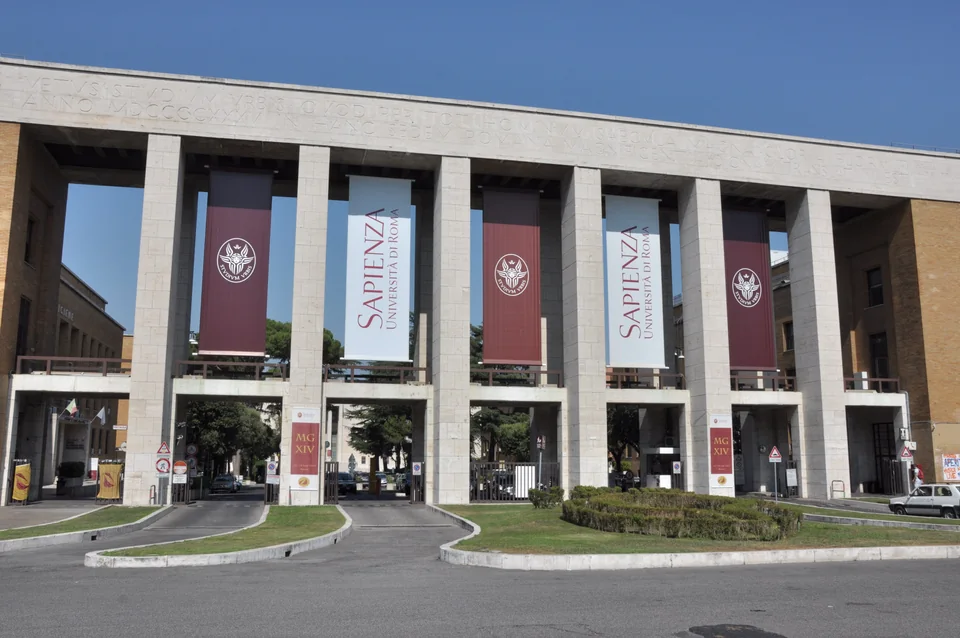
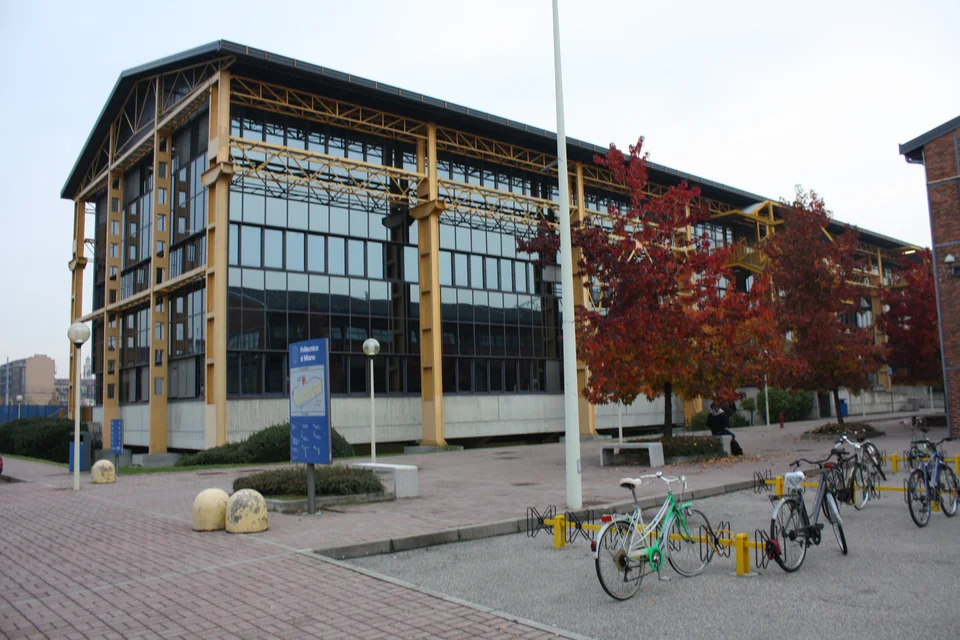
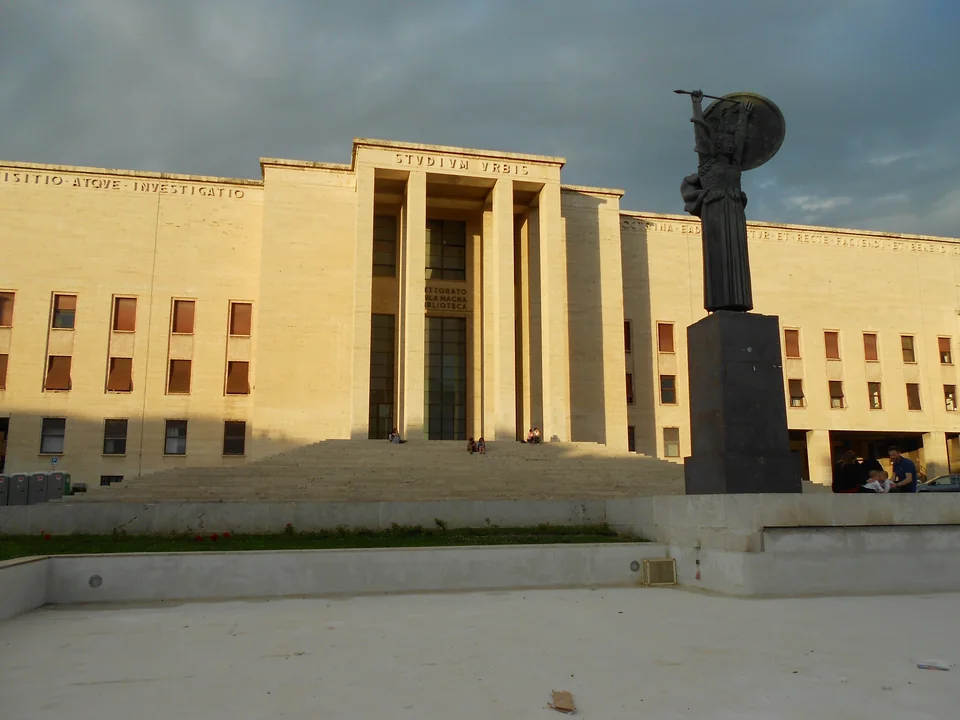
Сильная академическая карта. В одном маршруте можно сравнивать Politecnico di Milano для инженерии/дизайна, Sapienza для широкого классического университета и Bologna для сильной исследовательской среды.
Магистратура часто проще бакалавриата. После российского бакалавриата обычно не нужно закрывать «12-й год», а англоязычных магистратур больше.
Недостатки образования в Италии
Документы и сроки. Поступление связано с вузовской заявкой, предзачислением, подтверждением образования, переводами, визой и иногда отдельной заявкой на DSU. Ошибка в одном шаге может сдвинуть поступление на следующий набор.
После 11 класса нужен мост. Для бакалавриата требуется 12 лет предыдущего образования: foundation year или первый курс университета дома.
Жильё — отдельный риск. В Милане, Риме и Болонье жильё часто сложнее, чем само зачисление: нужен депозит, ранний поиск и запас по бюджету.
Стипендия не обещание. DSU зависит от регионального конкурса, финансовых документов, академических требований и статуса студента; на Foundation и языковые курсы она не распространяется.
Италия: отделите плату вуза от возможной финансовой помощи
Государственный и частный сектор требуют разных расчётов. Ориентиры Европейской комиссии помогают оценить порядок расходов; итоговую плату назначает выбранное учреждение.
Сценарий
Примерно, USD
Государственные вузы: годовой ориентир
$1 000–$4 600
Частные учреждения: годовой ориентир, отдельные программы дороже
$6 900–$23 100
Жизнь: 12 месяцев по общему ориентиру
$9 700–$15 200
Жизнь включает жильё; город и договор аренды заметно меняют сумму. Для Милана или другого дорогого города нужен собственный расчёт.
Государственная программа плюс жизнь за год по этим ориентирам: примерно $10 700–$19 800. Добавьте расходы, не включённые в эти статьи.
Плата может зависеть от программы и документов о доходах семьи. Дизайн, мода, подготовительный год и частная магистратура рассчитываются по собственным условиям.
Региональная помощь, например ER.GO, назначается по конкурсу с экономическими и академическими требованиями. Размер и состав поддержки зависят от статуса студента и действующего объявления; не вычитайте её из бюджета до решения.
Если бюджет ограничен
Сравните государственные программы и города с доступной арендой. Стипендию или снижение платы включайте в доступные средства после официального решения.
Что подготовить для следующего шага
Подготовьте аттестат или диплом, язык, направление и сведения о бюджете. Если рассчитываете на льготную плату, уточните перечень подтверждающих документов у вуза.
Суммы округлены для сравнения и показаны в долларах США; пересчёт по справочному курсу ЕЦБ, за 2026 год. Итоговая плата зависит от программы и условий её провайдера. Жильё и другие статьи считайте один раз. Проверьте, что уже включено в университетский расчёт; отдельно добавьте только отсутствующие расходы и услуги StudyU. Депозит может потребовать денег до начала учёбы. Подтверждение средств не прибавляется повторно к расходам, которые эти деньги покрывают.
Другие расходы и проживание
Расходы на жизнь сильно зависят от города. Милан и Рим обычно дороже, Болонья тоже перегрета в сезон, а небольшие города могут быть спокойнее по аренде. Главный риск — не только цена, а доступность: общежитий мало, частное жильё часто требует депозит, контракт и быстрый ответ после оффера.
Для студенческой визы нужен финансовый план: зачисление, жильё, медицинская страховка, средства на проживание и документы, которые принимает конкретное консульство. Точную сумму подтверждаем по актуальному визовому чек-листу перед подачей, а не по устаревшей «средней цифре».
Требования к поступлению
Требования для поступления в Италию могут отличаться от университета к университету. Также важно помнить, что при подаче на стипендию могут быть дополнительные условия.
Базовый пакет документов включает:
Аттестат
Тест на знание английского языка (IELTS, TOEFL) или итальянского (CILS, CELI)
CV
Мотивационное письмо
Рекомендательные письма
Вступительный тест или экзамен — для отдельных программ
Интервью
Магистратура:
Диплом бакалавриата
Тест на знание английского языка
CV
Мотивационное письмо
Рекомендательные письма
Для некоторых программ — сдача GRE или GMAT
Дедлайны
Составьте календарь выбранной программы: приём документов, испытания, подтверждение образования, региональная стипендия и визовая подача могут иметь разные сроки. Для заявителей, которым нужна виза, предзачисление проходит через Universitaly. Даты проверяйте у вуза и компетентного консульства; общий сезон подачи не заменяет их требования.
Кроме того, в Италии существуют программы как с открытым, так и с закрытым доступом. Некоторые факультеты имеют ограниченные квоты на приём студентов — важно подать документы вовремя, чтобы попасть в число принятых.
Как поступить в Италию: пошагово
Проверить 12 лет образования. Для бакалавриата после российской школы часто нужен foundation year или один завершённый курс университета дома; для магистратуры обычно смотрят уже диплом бакалавра и академический профиль.
Выбрать язык и тип программы. Английский удобен для international routes, но часть сильных направлений остаётся на итальянском. Для дизайна и архитектуры может потребоваться portfolio, для инженерии и экономики — entrance test или academic ranking.
Собрать документы под вуз, а не «под Италию». Один и тот же аттестат/диплом может требовать разных переводов, легализации, declaration/verification route и формата загрузки.
Разделить admission и funding. Заявка в университет, Universitaly/pre-enrolment, DSU/региональная поддержка и студенческая виза идут разными треками; их нельзя смешивать в один дедлайн.
Закрыть жильё и визу. После предложения о зачислении нужно быстро подтвердить бюджет, жильё, страховку и консульский пакет, иначе хорошее зачисление может упереться в бытовой дедлайн.
Поступление после 11 класса
Италия привлекательна после школы, но это не самый прямой маршрут. Стандартная проблема — требование 12 лет предыдущего образования: российский аттестат после 11 класса сам по себе часто не закрывает это условие для бакалавриата. Поэтому мы заранее сравниваем три сценария: foundation year в Италии, первый курс университета дома или поступление на программу, где вуз принимает конкретный профиль абитуриента через отдельный pathway.
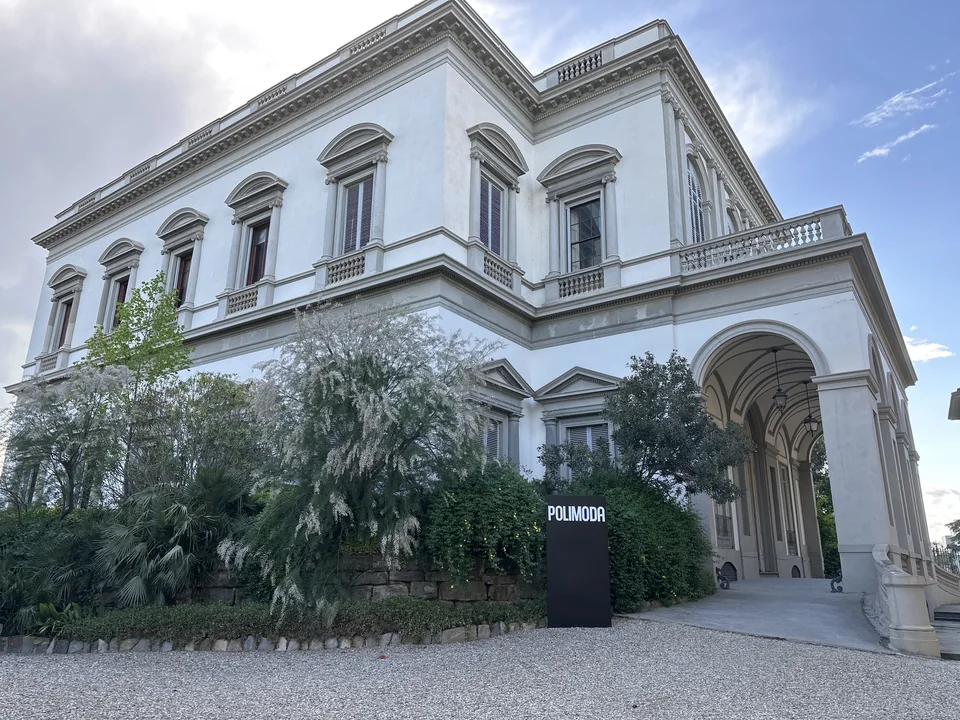
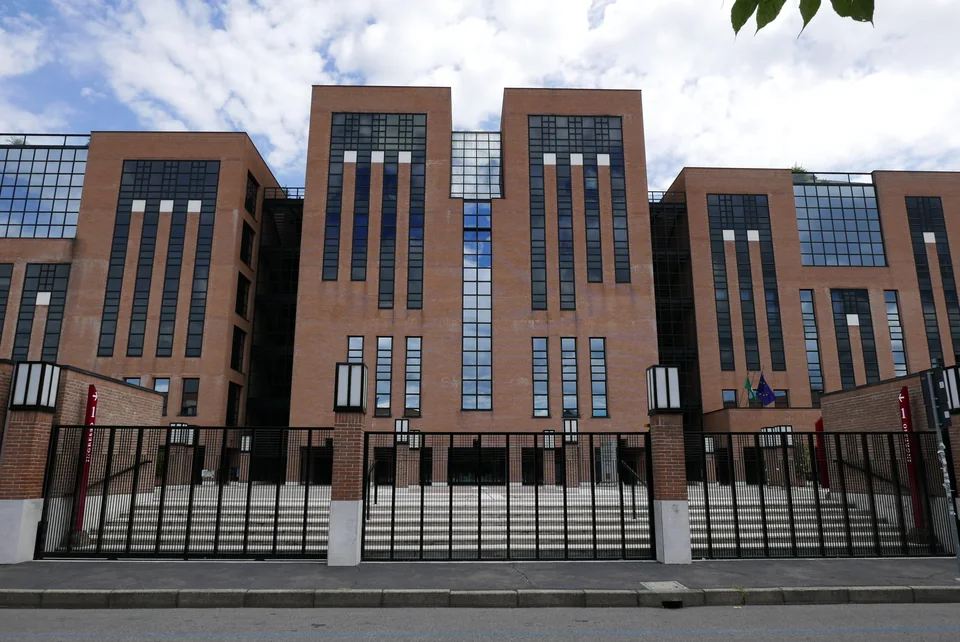
Если студент хочет Polimi, важно проверить не только «инженерия или дизайн», но и entrance test, portfolio, язык, кампус и академическую математику. Для Sapienza и Bologna логика шире: больше факультетов, больше вариантов, но и больше различий между программами. Наша задача — не обещать универсальный вход, а выбрать маршрут, где образование, язык и сроки реально сходятся.
Магистратура в Италии
Для многих студентов из России и СНГ магистратура — самый сильный итальянский сценарий. Уже есть 16 лет образования, больше англоязычных программ, понятнее академический профиль и выше шанс собрать убедительный пакет: диплом, transcript, CV, мотивация, рекомендации, portfolio или project background, если программа creative/technical.
Здесь особенно важно не путать «подходит страна» и «подходит программа». В Polimi смотрят technical/design fit, в Sapienza — факультет и академический track, в Bologna — research fit и кампус. Мы заранее проверяем prerequisites: кредиты, предметы бакалавриата, GPA logic, language proof и дедлайн, чтобы студент не тратил набор на неподходящую заявку.
Сводка расходов и что проверять перед оплатой
Финальный бюджет Италии складывается из обучения, региональных сборов, жилья, питания, страховки, визового пакета, перелёта, депозитов и первых месяцев жизни. В публичной таблице мы показываем ориентиры в долларах, но перед оплатой проверяем счёт, дату платежа, возвратные и невозвратные сборы и условия DSU или другой поддержки.
Практически важный момент: самая низкая плата за обучение не всегда даёт самый дешёвый год. Болонья или Милан могут быть сложнее по жилью, Рим — шире по выбору, но тоже требует раннего поиска. Поэтому StudyU считает не «стоимость университета», а годовой сценарий: где студент живёт, как добирается, когда подаёт на residence, какие суммы нужны до визы и какие документы семья должна подготовить для financial route.
Частые вопросы
Да, но часто нужен мост к 12 годам образования: foundation year, первый курс дома или отдельный pathway. Перед выбором программы мы проверяем это по вузу и уровню.
Для инженерии, архитектуры и дизайна чаще всего первым смотрят Politecnico di Milano. Но итоговый выбор зависит от программы, языка, entrance test, portfolio и бюджета города.
Поддержку получают заявители, выполнившие условия регионального конкурса, включая финансовые и академические требования. Размер, услуги и условия сохранения поддержки подтверждаются решением; до него не вычитайте стипендию из бюджета. Нужны отдельная заявка, соблюдение сроков и документы.
Да, особенно в магистратуре. На бакалавриате англоязычных программ меньше, поэтому language route нужно проверять до подачи.
Начните с календаря конкретной программы и стипендии. Заложите время на язык, проверку образования, переводы и визовую подачу. Срок подготовки зависит от ваших документов и набора; фиксированного периода, достаточного для всех, нет.
Так удобнее сравнивать страны между собой. Перед подачей по договору со StudyU мы подтверждаем финальные суммы по счёту и выбранному набору.
На бесплатной первичной консультации мы уточним цель, профиль, сроки и бюджет и обозначим следующий реалистичный шаг. Персональная стратегия, проверка требований, подбор согласованных вариантов, документы, подача и сопровождение выполняются по договору со StudyU.
Обсудим учебную цель и академический профиль
Уточним бюджет, сроки и ограничения по странам
Определим реалистичный следующий шаг и что проверить до подачи